How to Keep Bees Naturally
Keeping bees naturally in the UK means using husbandry that supports bee biology while still meeting your duty of care. It is not “leave-alone beekeeping”, and it is not an excuse to ignore Varroa, starvation, failing queens or notifiable disease.
A practical natural approach usually includes:
- Regular monitoring before making decisions
- Low-intervention colony management where it is safe to do so
- Natural or semi-natural comb where it remains inspectable
- Swarm control that works with colony behaviour
- Drone brood removal, brood breaks and careful Varroa assessment
- Selection from calm, productive, hygienic colonies
- Feeding only when needed, with enough stores left for winter
- Accurate records of queens, mite counts, brood patterns, treatments, stores and outcomes
Good records are central. Without them, “natural” can quickly become guesswork. A record-keeping tool such as Bee Hive Tracker is most useful when it helps you compare colonies over several seasons: which queens overwinter well, which lines keep mite levels low, when brood breaks occurred, what was fed, and what actually worked in your apiary.
What Natural Beekeeping Means in a UK Apiary
Natural beekeeping is best understood as an integrated approach rather than a fixed set of rules. The aim is to reduce unnecessary interference while keeping colonies healthy, inspectable and legally compliant.
In practice, this means:
- Minimising chemical inputs, but using approved treatment when monitoring shows it is needed
- Working with natural colony behaviour, including swarming, brood cycles and queen replacement
- Encouraging resilient stock through selection rather than relying on repeated emergency interventions
- Maintaining comb and hive hygiene without over-manipulating colonies
- Leaving adequate stores and avoiding avoidable starvation
- Reporting suspected notifiable disease immediately
The UK climate makes this especially important. A colony that copes well in a warm, forage-rich June may struggle through a wet August, a poor ivy flow, or a long spring gap. Natural beekeeping has to be local, seasonal and evidence-led.
Monitor First, Then Decide
Monitoring is the backbone of responsible low-intervention beekeeping. If you do not measure colony condition, mite levels and queen performance, you cannot know whether non-chemical methods are working.
What to Record at Each Inspection
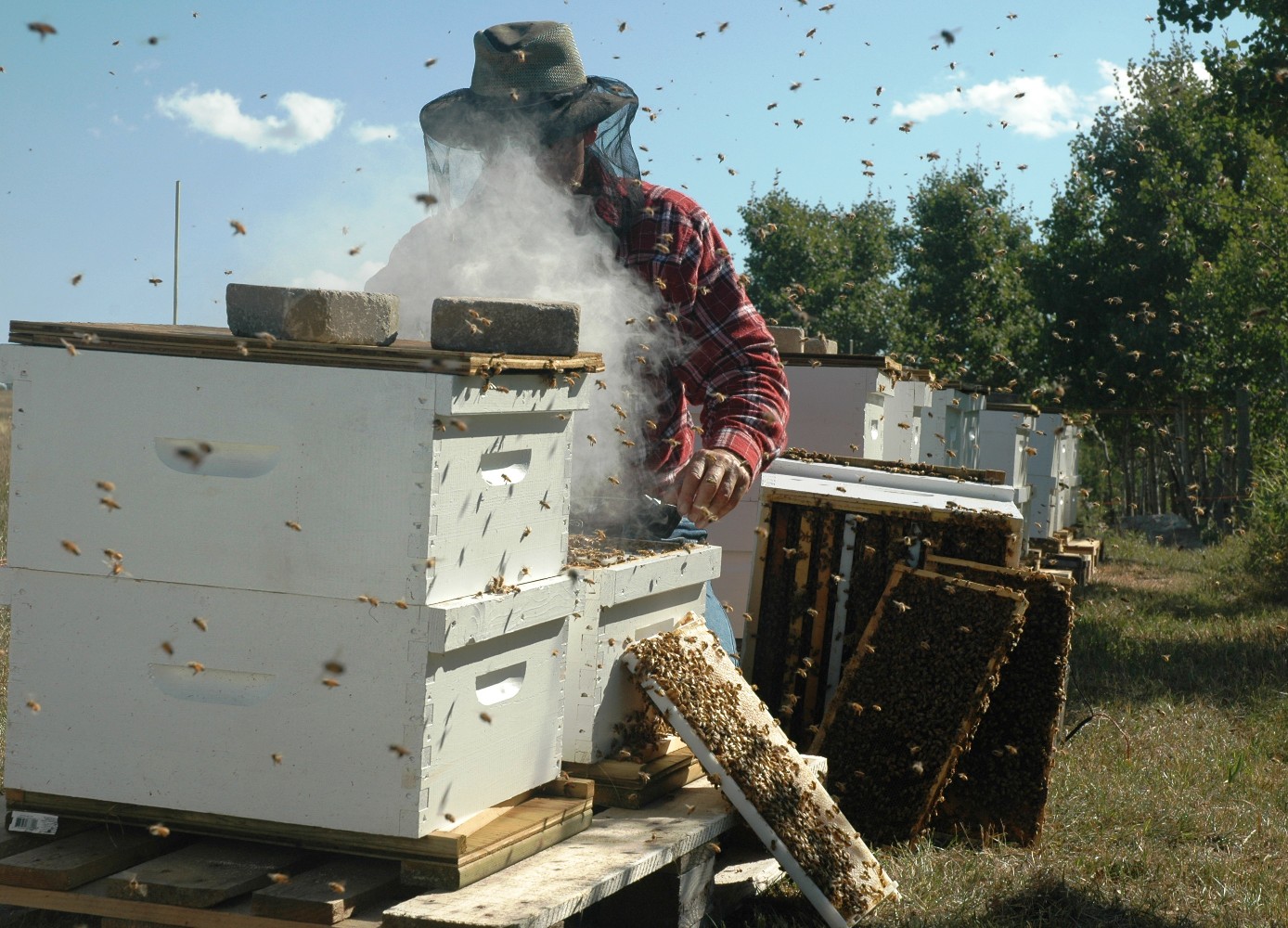
At each inspection, record:
- Hive ID and apiary location
- Date, weather and approximate temperature
- Queen status: seen, not seen, marked, clipped, age, origin
- Eggs, larvae and sealed brood
- Brood pattern and any signs of disease
- Colony strength and number of seams of bees
- Temperament
- Honey and pollen stores
- Swarm signs: queen cups, charged queen cells, congestion
- Varroa monitoring result and method used
- Drone brood removal, brood breaks or other actions taken
- Feed given and estimated remaining stores
- Next action date
Photos are particularly useful for unusual brood patterns, suspected disease, queen cells, chalkbrood, sacbrood or comb issues. Bee Hive Tracker can be used to keep these notes and images linked to the correct hive, which is far more useful than trying to reconstruct events from memory at the end of the season.
Varroa Monitoring for Natural Beekeeping
Varroa destructor remains the main pressure on honey bee colonies in the UK. A natural approach should reduce reliance on routine treatment, but it cannot ignore mite levels.
Common Monitoring Methods
The main practical options are:
- Icing sugar roll: non-lethal, useful for repeated checks, but results can vary with technique and humidity
- Alcohol wash: more accurate, but kills the sampled bees
- Natural mite drop: easy to do with a monitoring board, but less precise and influenced by colony size, brood level and grooming behaviour
- Drone brood uncapping: useful as an additional sign of mite pressure, especially in spring and early summer
For sugar roll or alcohol wash, take a sample of about 300 adult bees from a brood frame, making absolutely sure the queen is not included. A level half-cup measure is commonly used for this sample size. Count the mites dislodged and convert to an approximate infestation percentage:
- 3 mites in 300 bees = about 1%
- 9 mites in 300 bees = about 3%
Practical Varroa Thresholds
Thresholds are not fixed rules, because risk changes with season, brood level, colony strength and local reinfestation. As a practical guide:
- Below 1%: usually low; continue monitoring
- 1–3%: watch closely and consider non-chemical controls such as drone brood removal or a brood break
- Above 3%: intervention is often needed, especially from mid-summer onwards
- Late summer and early autumn: act promptly if mite levels are rising, because winter bees are being raised
The key point is timing. A colony can look strong in August and still collapse in autumn if Varroa and associated viruses are not controlled before winter bees are produced.
Non-Chemical Varroa Controls
Natural beekeeping works best as integrated pest management. No single method is enough every year, but several well-timed measures can reduce mite pressure substantially.
Drone Brood Removal
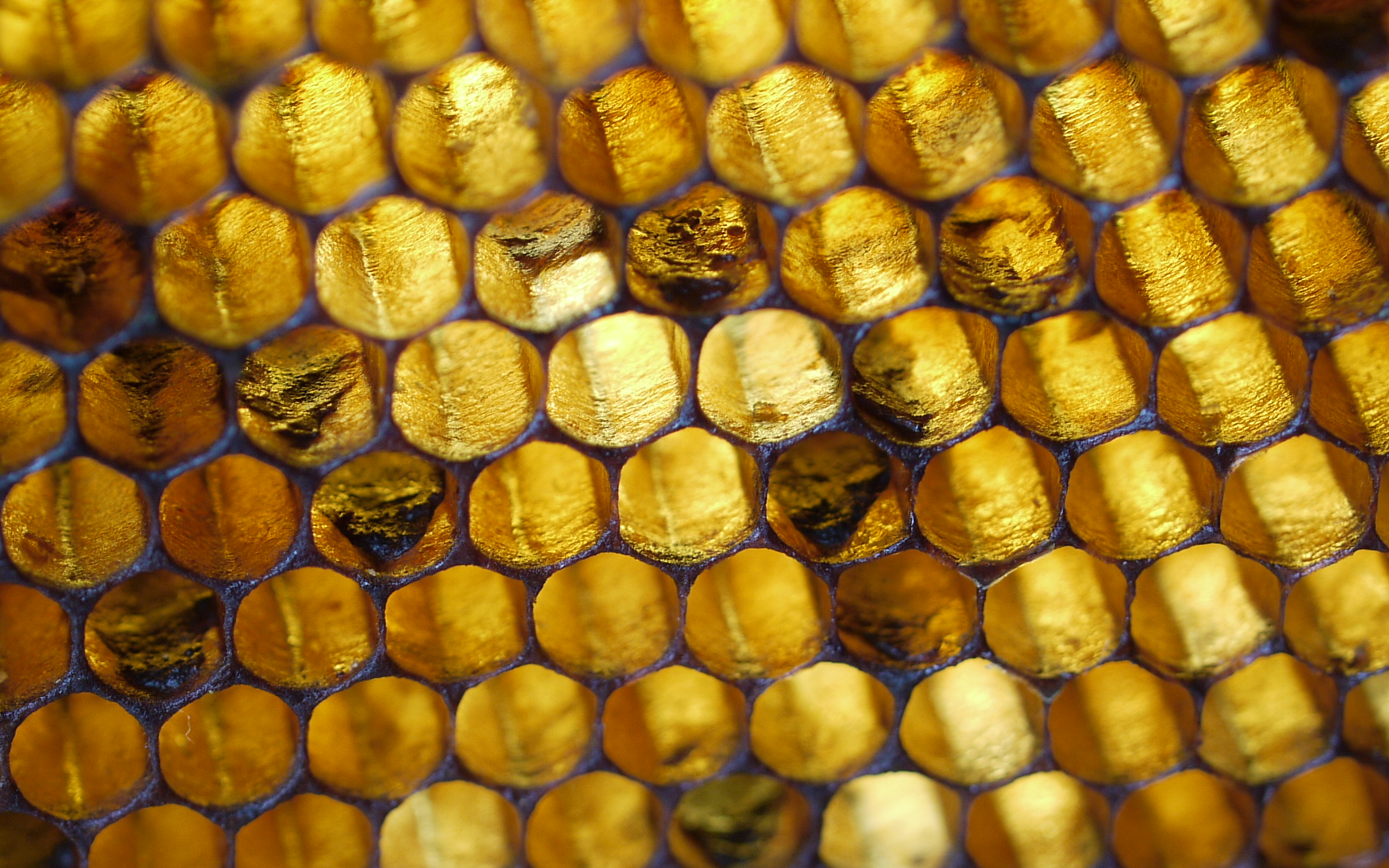
Varroa mites prefer drone brood because drones remain capped for longer than workers. Removing capped drone brood can therefore remove a useful proportion of reproducing mites.
How to do it:
- Place a drone comb frame, shallow frame in a brood box, or foundationless frame near the edge of the brood nest.
- Allow the bees to draw drone comb and the queen to lay in it.
- Inspect regularly.
- Once the drone brood is capped, remove it before drones emerge.
- Freeze for at least 48 hours if you want to recover wax, or destroy it safely.
- Replace and repeat during the drone-rearing season.
Timing matters. Drone brood takes about 24 days from egg to emergence, so do not leave capped drone comb too long. A 21-day reminder is useful. Record the date the frame went in and the date it was removed.
Brood Breaks
Varroa reproduces in sealed brood. A period with little or no sealed brood interrupts mite reproduction and can make follow-up control more effective.
Brood breaks may happen naturally through:
- Swarming
- Supersedure
- Queen failure
- A delay while a virgin queen mates and starts laying
They can also be created deliberately through:
- Artificial swarming
- Splitting colonies
- Queen removal or queen caging
- Making nucleus colonies
- Shook swarm, in specific circumstances and with adequate skill
Brood breaks must be managed carefully. A colony that is left queenless for too long may become weak, develop laying workers, or fail to build enough winter bees. Always record the expected timeline: queen cell sealed, virgin emergence, mating window, first eggs and follow-up check.
Hygienic and Varroa-Sensitive Stock
Some colonies are better at detecting and removing diseased or mite-infested brood. Over time, selecting from these colonies can reduce your dependence on treatment.
Useful traits to record include:
- Low mite counts compared with neighbouring colonies
- Good brood pattern
- Calm behaviour on the comb
- Low swarming tendency, or manageable swarming behaviour
- Strong winter survival
- Good spring build-up
- Low chalkbrood and other brood issues
- Productive foraging without excessive defensiveness
Do not breed from colonies simply because they survive without treatment once. Look for repeated performance across seasons and apiaries.
Swarming: Natural, but Still Managed
Swarming is a natural reproductive process, and a strong colony preparing to swarm is not “failing”. However, uncontrolled swarming can cause nuisance, reduce honey production, spread poor genetics and leave the beekeeper with weak or queenless colonies.
Natural beekeeping should manage swarming rather than suppress it blindly.
Practical Swarm Management
Use a combination of:
- Timely supering before congestion builds
- Removing frames of brood and bees to make nucs
- Artificial swarm methods when queen cells are charged
- Allowing good colonies to requeen naturally where appropriate
- Requeening colonies that are aggressive, unproductive or repeatedly problematic
A colony that has produced sealed queen cells needs prompt attention. Simply cutting out queen cells without addressing the reason for swarming rarely works and may leave the colony queenless.
Hive Choice and Natural Comb

You can keep bees naturally in National, Langstroth, Commercial, Warré or top-bar hives. The best hive is one you can inspect properly, manage safely and use consistently.
National and Other Framed Hives
British National hives remain popular because they suit UK equipment suppliers, training, inspections and standard manipulations. They are practical for:
- Disease inspection
- Queen management
- Artificial swarms
- Nucleus colony creation
- Drone brood removal
- Comb replacement
- Honey extraction
If you want a more natural comb system while retaining inspectability, foundationless frames or starter strips can work well in standard hives.
Top-Bar and Warré Hives
Top-bar and Warré hives can encourage natural comb building and less frame manipulation. They may suit experienced beekeepers with a clear management plan, but they can make some tasks harder, including:
- Full brood inspection
- Comb replacement
- Disease control
- Varroa monitoring
- Moving colonies
- Managing heavy crops
- Meeting inspection requirements quickly
If you use these systems, ensure comb remains movable and inspectable. In the UK, you must be able to inspect for disease.
Foundationless Comb
Foundationless frames allow bees to draw comb according to colony need, including drone comb. They can be valuable, but they need careful spacing and level hives.
Tips for success:
- Use starter strips or a wax guide
- Keep the hive level side-to-side
- Place foundationless frames between straight drawn combs
- Avoid putting too many empty foundationless frames together in a strong nectar flow
- Inspect gently while new comb is soft
- Expect more drone comb and plan how to use it
Natural comb is not a reason to let brood comb become old, dark and contaminated. Comb hygiene still matters.
Comb Rotation and Hive Hygiene
Old brood comb accumulates residues, spores and debris. It may also become smaller-celled as cocoons build up. Replacing comb gradually improves colony hygiene without shocking the colony.
A practical approach is to replace one or two brood frames per brood box each year. Use:
- Bailey comb change
- Shook swarm where appropriate
- Moving old frames to the edge of the brood nest
- Replacing poor comb during splits
- Removing damaged, mouldy or misshapen comb
Do not transfer suspect comb between colonies. If disease is suspected, stop moving equipment and seek advice.
Feeding Naturally Without Letting Colonies Starve
Natural beekeepers often prefer to leave more honey on the hive. That is a sound principle, but it must be balanced with welfare. In the UK, starvation can occur in winter, early spring, or even during a summer dearth.
Winter Stores
A full-sized colony often needs around 20–30 kg of stores for winter, depending on region, hive type, colony size and local forage. Northern and exposed areas may need more than sheltered southern sites.
Assess stores by:
- Hefting the hive
- Weighing from one or both sides
- Inspecting when weather allows
- Recording feed given and estimated stores after the main flow
Bee Hive Tracker or a similar record system can help prevent over-harvesting by keeping harvest weights, feed dates and store estimates tied to each colony.
When and What to Feed
Typical UK feeding practice:
- Late summer to early autumn: feed heavy syrup if stores are short and bees still have time to process it
- Late autumn and winter: use fondant for emergency or supplementary feeding
- Early spring: feed fondant or light syrup only if needed, taking care not to over-stimulate colonies before forage and weather are reliable
- During a nectar dearth: feed nucleus colonies or light colonies if necessary, while preventing robbing
To reduce robbing:
- Feed in the evening
- Use internal feeders where possible
- Avoid spilling syrup
- Reduce entrances on small colonies
- Do not leave wet supers or exposed comb near the apiary
Natural feeding does not mean never feeding. It means avoiding unnecessary feeding while ensuring colonies do not starve.
Disease Vigilance and Legal Responsibilities
Low-intervention beekeeping must still be disease-aware. In the UK, suspected American foulbrood and European foulbrood must be reported. Exotic pests such as small hive beetle and Tropilaelaps mites are also notifiable.
If you suspect serious disease:
- Do not move frames, bees, honey or equipment from the apiary
- Close the hive carefully
- Record what you saw
- Take clear photos if safe to do so
- Contact the National Bee Unit through BeeBase or your local bee inspector
- Follow official instructions
Signs that need prompt attention include:
- Sunken, perforated or greasy-looking cappings
- Ropey larval remains
- Scales in brood cells
- Patchy brood with abnormal larvae
- Unusual smells
- Multiple colonies showing similar brood symptoms
Treating or reporting disease is not a matter of personal beekeeping philosophy. It is a legal and ethical responsibility.
Breeding for Resilient Colonies
Natural beekeeping improves when you stop treating every colony as equal. Some colonies are simply better suited to your local conditions.
What to Select For
Prioritise:
- Calm temperament
- Good brood pattern
- Low Varroa counts relative to other colonies
- Strong winter survival
- Sensible spring build-up
- Good honey production for your area
- Low disease incidence
- Manageable swarming
- Good supersedure behaviour
Avoid breeding from colonies that are aggressive, swarm excessively, perform poorly, or repeatedly need rescue.
Hygienic Behaviour Testing
Advanced beekeepers may test hygienic behaviour using freeze-killed brood or pin-killed brood methods. Colonies that quickly uncap and remove dead brood may have stronger hygienic traits.
These tests require consistency. Record:
- Date of test
- Colony strength
- Queen age and origin
- Amount of brood removed after 24 and 48 hours
- Weather and nectar flow conditions
- Any follow-up mite data
One good result is not enough. Use repeated observations across the season.
A Practical UK Seasonal Calendar
Early Spring: March to April
Priorities:
- Check colony survival and stores
- Avoid opening colonies in poor weather unless necessary
- Confirm queenright status when conditions allow
- Look for brood pattern and early disease signs
- Feed if stores are low
- Clean or replace floors where needed
- Start light-touch Varroa monitoring as brood rearing expands
- Plan comb replacement and nuc production
Do not expand the brood nest too quickly. A cold snap can punish colonies that have been opened, split or spread too early.
Late Spring: May to June
Priorities:
- Manage rapid colony build-up
- Add supers before colonies become congested
- Inspect for queen cells
- Use drone brood removal
- Make nucs from strong colonies
- Carry out artificial swarms where needed
- Begin queen selection and rearing
- Continue Varroa checks
This is the main period for swarm control. Record queen cell dates carefully so follow-up inspections are not missed.
Summer: July to August
Priorities:
- Monitor Varroa closely
- Harvest only true surplus honey
- Check post-harvest stores
- Watch for robbing and wasp pressure
- Assess queen performance
- Unite weak colonies where appropriate
- Prepare replacement queens or nucs
Late-summer Varroa control is critical because winter bees are being raised. If mite levels are high, delayed action can cost the colony even if it looks strong at the time.
Autumn: September to October
Priorities:
- Ensure adequate winter stores
- Feed heavy syrup early enough for processing, or fondant later if needed
- Reduce entrances where robbing or wasps are a risk
- Fit mouse guards when appropriate
- Check hive condition, roofs and stands
- Complete any necessary Varroa control according to monitoring and product instructions
- Avoid unnecessary brood nest disturbance as temperatures fall
Autumn is not the time to leave weak colonies to struggle. Unite poor colonies with healthy queenright colonies if disease is not suspected.
Winter: November to February
Priorities:
- Minimise disturbance
- Heft or weigh colonies periodically
- Add fondant if stores are low
- Check for storm damage, woodpecker damage and mouse activity
- Keep entrances clear
- Record dead-outs and likely causes
- Plan equipment, queen rearing and apiary improvements
If colonies are broodless, oxalic acid-based Varroa treatment can be effective when used correctly. Only use authorised products, follow the label, wear appropriate PPE and seek training if you are inexperienced.
When Natural Methods Are Not Enough
A natural beekeeper should be willing to intervene when evidence shows it is necessary. High mite counts, collapsing brood patterns, starvation risk or notifiable disease cannot be solved by philosophy.
Treatment may be appropriate when:
- Varroa counts exceed safe seasonal levels
- Colonies are raising winter bees under high mite pressure
- Non-chemical controls have not reduced mite levels
- Reinvasion from nearby colonies is likely
- A colony is valuable breeding stock but at risk
- Local bee inspectors or veterinary guidance recommends action
Use only approved products and follow the manufacturer’s instructions. Pay attention to dose, timing, temperature range, honey super restrictions, repeat applications and personal safety. Incorrect use can harm bees, contaminate hive products, encourage resistance or fail to control mites.
Commonly used active substances in UK Varroa control include thymol, formic acid and oxalic acid preparations, depending on the season and product authorisation. The right choice depends on brood status, temperature, colony strength and whether honey supers are present.
Common Mistakes in Natural Beekeeping
Mistaking Neglect for Natural Beekeeping
Leaving bees alone without monitoring is not natural beekeeping. It is unmanaged risk. Colonies can die slowly from Varroa, starvation or queen failure while appearing normal from outside.
Relying on One Favourite Method
Small-cell comb, foundationless frames, brood breaks, drone brood removal or resistant stock may all help, but none should be treated as a complete solution. Use several methods and measure the results.
Losing Track of Queen Age
Many colony problems become clearer when queen age and origin are known. Mark queens where practical and keep records of supersedure, swarming and requeening.
Over-Harvesting
Taking too much honey and replacing it with emergency feed is not a natural approach. Check stores before and after harvest, especially in areas with unreliable late forage.
Delaying Varroa Action
Waiting until colonies visibly decline is too late. Mite and virus damage is often advanced by the time symptoms are obvious.
Using Bee Hive Tracker for Low-Intervention Beekeeping
Bee Hive Tracker is most useful in natural beekeeping when it supports better decisions rather than more interference.
Useful records include:
- Varroa counts and monitoring method
- Drone brood frame dates
- Brood break start and end dates
- Queen age, origin and temperament
- Brood pattern photos
- Feed amounts and store estimates
- Swarm control actions
- Honey harvest by hive
- Treatments used, dose and date
- Winter survival and spring build-up
Over time, these records show which colonies genuinely need less intervention and which only appeared strong for part of one season. That is the foundation of better stock selection.
Practical Next Steps for This Season
If you want to keep bees more naturally this year, start with a clear plan:
- Choose one Varroa monitoring method and use it consistently.
- Record every mite count by hive.
- Add drone brood removal to suitable strong colonies in spring and early summer.
- Track queen age, origin, temperament and brood pattern.
- Leave adequate honey and record harvest weight by colony.
- Replace old brood comb gradually.
- Select breeding material only from colonies with repeated good performance.
- Know how to contact your local bee inspector before there is an emergency.
- Use approved treatments when monitoring shows they are needed.
- Review your records at the end of the season and adjust next year’s plan.
Natural beekeeping is not about doing nothing. It is about doing the right things at the right time, based on colony biology, local conditions and reliable records.
Sources Used
- https://www.gov.uk/guidance/bees-and-beekeeping
- https://secure.fera.defra.gov.uk/beebase/
- https://www.bbka.org.uk/
- https://www.gov.uk/guidance/controlling-varroa-mite-in-your-beehives