How to Manage Colonies for Heather Honey
Heather honey is one of the most distinctive UK honeys: dark, aromatic, strongly flavoured and often premium-priced. True ling heather honey, mainly from *Calluna vulgaris*, is also thixotropic. It forms a gel and only flows properly when agitated, which means colony preparation, supering, harvest timing and extraction all need more planning than for a typical summer honey crop.
Successful heather production depends on three things: strong, healthy colonies on the moor at the right time; ripe honey handled hygienically; and records good enough to link each batch back to the hives, supers, movement dates, moisture readings and extraction method. Bee Hive Tracker is useful here because heather honey rewards repeatable decision-making.
Why Heather Honey Needs a Different Management Plan
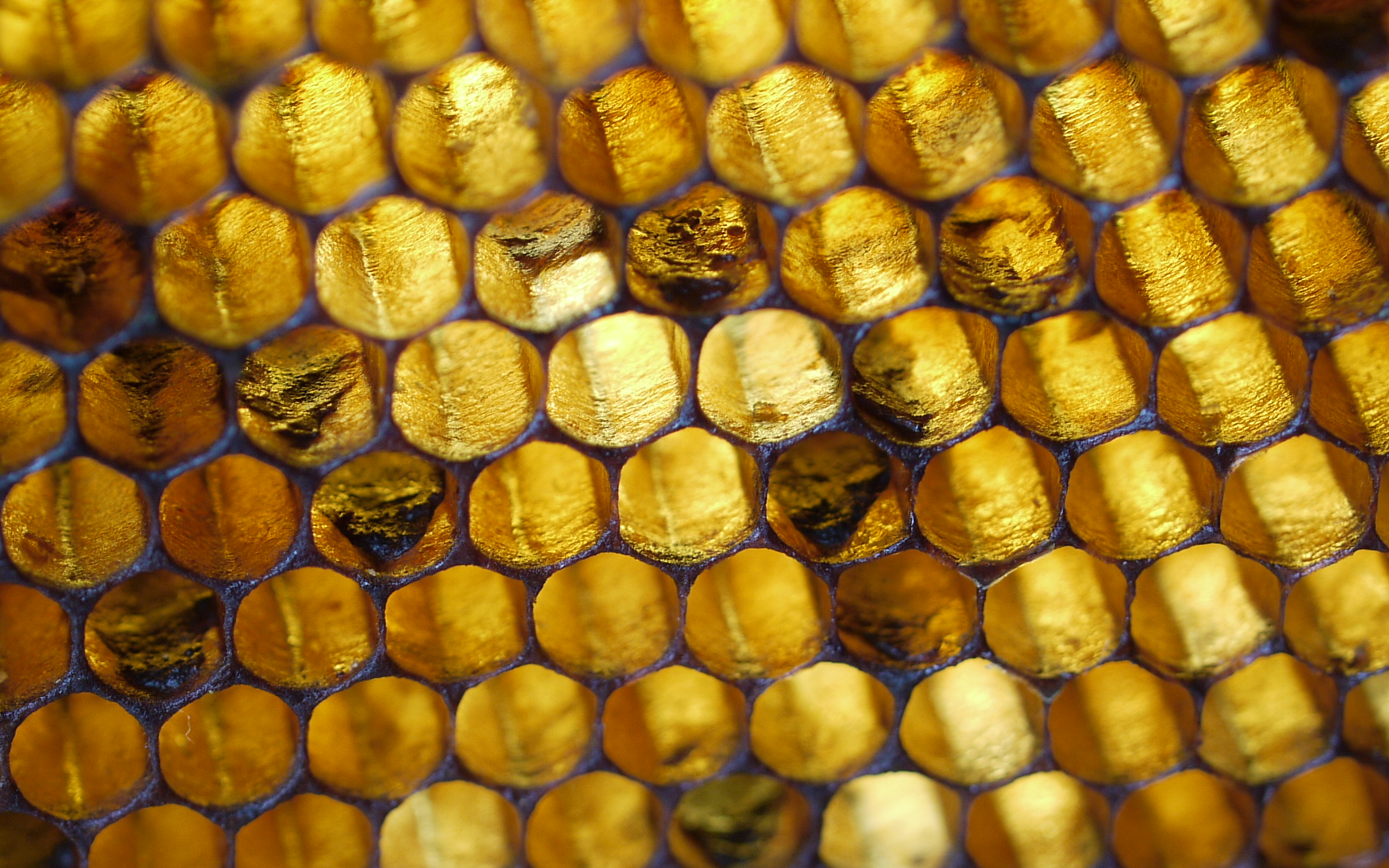
Heather honey behaves differently from mixed blossom honey, clover honey or oilseed rape honey.
Key differences include:
- Thixotropic texture: heather honey is jelly-like and will not readily spin out in a standard extractor unless the gel structure is broken.
- High value and strong provenance: buyers often expect a named moor, region or apiary area.
- Short, weather-sensitive flow: the main ling heather flow is usually from late July into September, but altitude, latitude, rainfall, wind and grazing pressure can shift it significantly.
- Extraction challenges: frames may need warming, pricking, loosening, pressing or selling as cut comb.
- Fermentation risk: legal moisture limits for heather honey are more generous than for many other honeys, but high moisture still increases the risk of fermentation.
A heather crop can be excellent one year and poor the next. Careful notes on colony strength, weather, dates, site choice and extraction outcomes are often the difference between guessing and improving.
Understand the Heather Flow
In UK beekeeping, “heather honey” usually refers to ling heather rather than bell heather. Bell heather may contribute nectar earlier, but ling heather is the classic source of thick, thixotropic heather honey.
Typical timing:
- South-west uplands and lower moors: often earlier, depending on local conditions.
- Wales and northern England: commonly August into early September.
- Scotland and higher ground: often later, with significant local variation.
Do not rely on calendar dates alone. Walk the site, speak to local beekeepers and watch the plants. A few purple flowers do not mean a flow is on. Bees need open flower, warm enough conditions, low wind and sufficient soil moisture for nectar secretion.
Good heather sites usually have:
- extensive ling heather within bee flight range
- limited competing nectar sources if you want a strong heather character
- practical vehicle access
- permission from the landowner or shooting estate where required
- shelter from severe wind without being shaded or damp
- enough space to avoid excessive hive density
Record the site, visit dates, bloom stage and weather observations in Bee Hive Tracker. Over several seasons, these notes become one of your best tools for predicting whether a move is worthwhile.
Prepare Colonies Before the Heather Flow
Build Strong Foraging Colonies
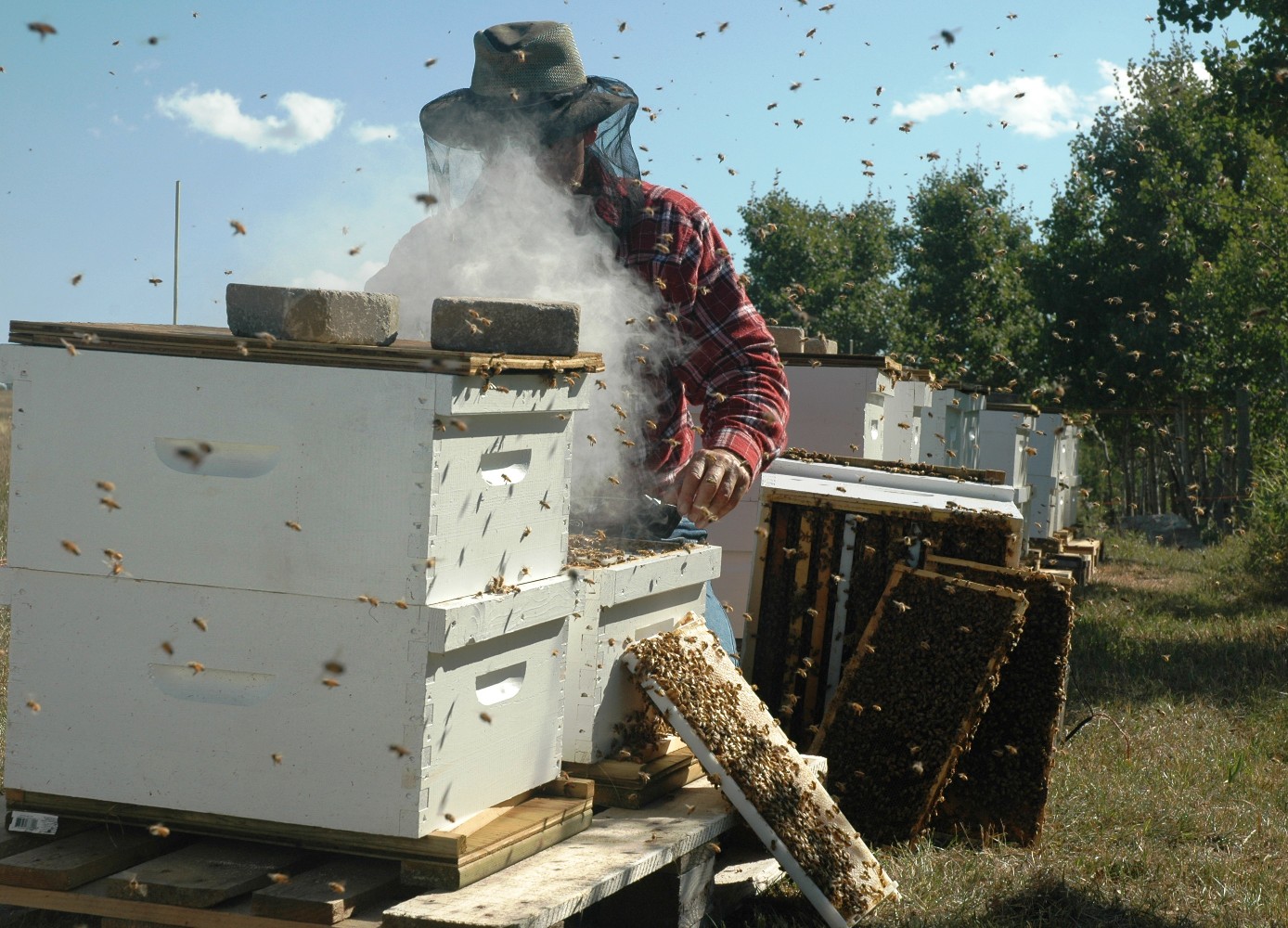
Heather is not a crop for weak colonies. Aim to take only strong, healthy colonies with a large foraging force. As a guide, colonies should be well-populated, queenright and expanding strongly before the move. Many experienced heather producers take colonies that are filling a brood box or more, rather than hoping small colonies will build once they arrive.
Before the flow:
- unite weak colonies rather than moving them as poor producers
- replace failing queens well before heather preparation begins
- check brood pattern, temperament and colony strength
- ensure colonies have enough stores before moving
- avoid taking colonies that are queenless, diseased or heavily varroa-affected
A young, productive queen is an advantage, but she must already be established. Requeening too close to the move can interrupt colony rhythm and reduce foraging at the wrong time.
Control Swarming Before the Move
Colonies taken to heather need to be strong, but not on the edge of swarming. Carry out swarm control earlier in the season and keep inspection notes clear. A colony that swarms just before or during the heather flow will rarely give the crop you hoped for.
Useful records include:
- queen age and origin
- swarm cells seen and action taken
- artificial swarm or split dates
- colonies united before moving
- brood strength and frames of bees before transport
Manage Varroa and Disease Responsibly
Heather production should never come at the expense of bee health or honey safety.
Check varroa levels early enough to act before supers are on for a honey crop. Follow authorised product labels and avoid treatments that are not permitted during a honey flow or while honey supers are present. Many beekeepers plan significant varroa control before the main season and again promptly after the heather crop is removed, but the exact programme depends on monitoring results, product choice and timing.
Before moving hives, inspect for signs of notifiable brood disease, including American foulbrood and European foulbrood. If you see suspicious symptoms, do not move the colony. Contact your local bee inspector or the National Bee Unit for advice.
Record in Bee Hive Tracker:
- varroa monitoring results
- treatment product, date and dose
- whether honey supers were present
- inspection findings
- any disease concerns or inspector advice
- movement date, origin and destination
Check BeeBase and local disease alerts before moving bees to a new area.
Moving Bees to Heather
Move colonies shortly before the useful flow, not weeks too early unless there is a clear reason. A common approach is to place colonies on the moor around a week before the expected main flow so bees can orientate and exploit early nectar.
Practical movement points:
- secure floors, boxes, roofs and straps properly
- provide adequate ventilation during transport
- move in cool conditions, usually late evening or early morning
- avoid blocking colonies in hot weather for long periods
- place hives level and stable on stands or pallets
- protect colonies from livestock, flooding and strong winds
- mark the apiary clearly if multiple beekeepers share the area
Do not overload a site. Too many colonies competing for the same nectar can reduce returns for everyone.
Record the move immediately: hive IDs, vehicle load, departure and arrival times, apiary location, contact details for the landowner, and any problems during transport.
Supering Strategy for Heather Honey
Use Strong, Sound Comb
Heather honey can be heavy, slow to extract and hard on comb. Use frames and comb that can withstand handling.
Good options include:
- drawn shallow supers for easier handling
- strong wired foundation where spinning is planned
- clean, robust comb free from excessive old brood staining
- frames suitable for your extractor or press system
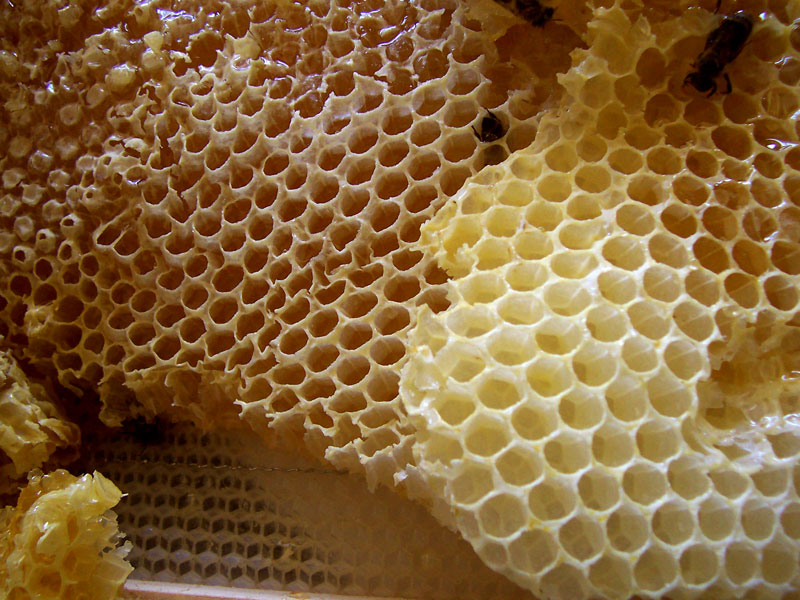
For cut comb, use fresh, clean comb and avoid old dark comb. If you plan to sell sections or cut comb, prepare those frames before the flow begins. Bees are more likely to finish good comb honey when equipment is already in place and colonies are strong.
Add Supers Early Enough
Do not let colonies become congested just as the flow begins. Add space before bees are forced to store nectar in the brood nest.
During the flow:
- check whether bees are occupying the supers
- add another super before the previous one is packed tight
- avoid excessive disturbance in poor weather
- keep supers covered during inspections to reduce robbing
- note which supers were added on which dates
Bee Hive Tracker can help compare supering dates against final yield. In heather production, a few days’ difference can matter.
Queen Excluders
Queen excluders are commonly used to keep brood out of honey supers and simplify extraction. However, colonies must move freely into the supers. If bees are reluctant to work above the excluder, check for congestion, poor comb, lack of drawn comb, or a badly fitting excluder.
Record whether a queen excluder was used. If one colony consistently stores better without it, that is worth knowing next season.
Feeding Before and During the Flow
Avoid feeding syrup during the heather flow. It can contaminate the crop and undermine the character and value of the honey.
If colonies need feeding before moving, finish well before the supers intended for heather honey are added. Record feed type, volume and dates so you can demonstrate that the harvested crop was not syrup-derived.
Judging When Heather Honey Is Ready to Harvest
Cappings Are Useful but Not Enough
Capped honey is a good sign, but heather can be unevenly capped and moisture may still vary. Because extraction is slower and the honey may sit longer during processing, moisture control is important.
Use a refractometer wherever possible. Take small samples from several frames or supers rather than relying on one reading.
Moisture Targets for Heather Honey
UK honey rules allow a higher maximum moisture content for heather honey than for ordinary honey, but legal does not always mean ideal for storage. Heather honey with higher moisture is more likely to ferment, especially if stored warm or handled slowly.
Practical approach:
- aim for the lowest moisture you can achieve without leaving the crop too long
- many producers prefer readings around 18–19% where possible
- if readings are higher, handle the batch quickly, store it cool and assess fermentation risk carefully
- do not blend wet honey into good honey simply to hide a problem
Record each moisture reading with the super ID, hive or apiary source, date, instrument used and temperature correction if applicable.
When Not to Harvest
Delay harvest if:
- frames are largely uncapped
- the weather has been persistently humid
- nectar is still shaking from the comb
- refractometer readings are too high for your intended storage and sale
- you cannot process the crop promptly
If you remove wet honey and leave it in open tubs, it may absorb more moisture and ferment. Plan labour and equipment before taking supers off.
Removing Supers from the Moor
Harvest efficiently and keep honey protected.
Good practice:
- remove supers in dry weather where possible
- cover supers immediately
- keep open honey away from bees to prevent robbing
- avoid leaving sticky equipment exposed
- use clearer boards, bee blowers or brushing according to your system and welfare standards
- transport supers promptly to a clean processing area
Heather sites can become difficult in poor weather. Plan vehicle access, lifting equipment and staff safety. Full heather supers are heavy.
Record removal date, hive IDs, supers removed, estimated weight and any supers left behind.
Extraction Methods for Heather Honey
Heather honey extraction usually falls into three categories: cut comb, centrifugal extraction with adaptations, or pressing. Many producers use more than one method depending on the quality of comb and how well the honey releases.
Cut Comb Heather Honey
Cut comb is often an excellent way to sell heather honey because the texture and flavour are preserved with minimal processing.
Advantages:
- high-value product
- less extraction equipment required
- preserves the natural comb presentation
- avoids the difficulty of spinning gel-like honey
Disadvantages:
- labour-intensive
- requires clean, attractive comb
- lower flexibility if comb is uneven or contains pollen arcs
- careful packaging is needed to prevent leakage or collapse
Harvest only well-sealed, clean comb. Cut with a warm knife, drain briefly if needed, and pack into suitable food-safe containers. Store cool and level.
Record the hive or apiary source, frame type, packing date and batch code.
Centrifugal Extraction
Standard spinning can work, but heather honey often needs preparation. A radial extractor alone may struggle because the gel structure prevents honey from flowing out of the cells.
Useful adaptations include:
- using a heather loosener or pricker to agitate honey in the cells
- warming the extraction room gently, often around 25–30°C
- starting the extractor slowly and increasing speed gradually
- using tangential extraction where practical
- turning frames and extracting in stages to reduce comb breakage
- working in smaller batches to maintain control
Avoid excessive heat. Brief, gentle warming can help honey move, but high temperatures can damage aroma and quality. As a practical limit, keep warming well below temperatures that would degrade honey quality; many beekeepers avoid going above about 37–40°C.
Record:
- extractor type
- whether frames were loosened or pricked
- room and honey temperature
- batch start and finish times
- filter sizes
- final yield
- any comb breakage or poor release
These notes will show whether spinning is worth repeating for that site and comb type.
Pressing Heather Honey
Pressing is a reliable option when spinning fails or when comb is unsuitable for cut comb sale. The comb is cut out and pressed through coarse filtration, then allowed to settle.
Advantages:
- good recovery from difficult frames
- less dependent on extractor type
- suitable for small or awkward batches
Disadvantages:
- destroys comb
- creates more wax debris
- needs patient settling and skimming
- can be slower if processing many supers
Use clean food-grade equipment and press steadily rather than forcing wax through the mesh. After pressing, allow the honey to settle in covered tanks, then skim wax and foam from the surface.
Record the press date, equipment used, settling time, filter size and yield.
Filtration, Settling and Hygiene
Heather honey is a premium product, so avoid spoiling it in the honey room.
Keep the Honey Room Clean
Use clean, dry, food-safe equipment. Honey is hygroscopic, meaning it absorbs moisture from the air, so avoid leaving tanks, buckets or filters uncovered for longer than necessary.
Good hygiene includes:
- washing and drying tanks, buckets, filters and tools before use
- using food-grade containers only
- keeping lids on settling tanks
- excluding bees, wasps, dust and strong odours
- not processing near fuel, paint, livestock chemicals or scented cleaners
Record cleaning dates and any batch-specific hygiene notes, especially if you sell commercially.
Filter Without Stripping Character
Heather honey usually benefits from minimal but effective filtration. Remove wax pieces, bee parts and coarse debris, but avoid unnecessary over-filtration if you want to preserve pollen content and character.
A practical system may involve:
- coarse filtration immediately after extraction or pressing
- settling for 24–72 hours
- skimming wax and foam
- final filtration only if needed before jarring
Because heather honey may not settle like thinner honeys, allow extra time and avoid stirring debris back into the batch.
Preventing Fermentation
Fermentation is usually linked to high moisture, yeast presence and warm storage. Once a batch is actively fermenting, it should not be sold as normal table honey.
Warning signs include:
- foaming
- fizzing
- gas bubbles
- pressure build-up under lids
- sour or alcoholic smell
- separation with visible activity
If fermentation is suspected:
- isolate the batch
- test moisture again
- check storage temperature
- do not blend it into sound honey
- seek appropriate food safety advice if selling commercially
Depending on severity and intended use, a fermented batch may be unsuitable for retail honey and may need to be diverted or discarded. Record the incident in Bee Hive Tracker with batch ID, moisture readings, storage conditions and action taken.
Storage and Jarring
Store heather honey cool, dry and covered. Stainless steel tanks are ideal for bulk storage; food-grade plastic may be suitable for short-term use. Keep containers away from odours and temperature swings.
For jars:
- use clean, dry jars and lids
- avoid excessive headspace
- store in a cool, dark place
- label batches clearly
- keep stock rotation records
Heather honey often sets into its characteristic gel. Many customers expect this texture, so do not treat it as a flaw. If you warm honey before jarring, use gentle heat and keep records of temperature and duration.
Labelling, Provenance and Traceability
Heather honey sells on origin and trust. Your records should connect each jar or bulk container back to the apiary and production batch.
For each batch, record:
- apiary or moor location
- hive IDs included
- super IDs and dates placed
- date supers removed
- extraction or pressing date
- moisture readings
- extraction method
- settling and filtration details
- jar run or bulk tank number
- final yield
- storage location
- customer or wholesale destination where relevant
Example Bee Hive Tracker batch note:
“Batch HTH2026-07. Moorbank North, hives HN12–HN24. Supers placed 01/08/2026, removed 12/09/2026. Extracted 14/09/2026. Moisture readings 18.4–18.8%, average 18.6%. Tangential extractor, frames loosened, room 28°C. Settled 48 hours, coarse filter then final 500 micron filter. Yield 156 kg. Stored Cool Room A.”
This level of detail supports provenance, food traceability, stock control and future management decisions.
Common Problems and Practical Fixes
Honey Is Too Wet
Likely causes include early removal, humid weather, a weak colony or a flow that ended before bees finished ripening the honey.
What to do:
- leave frames on the hive longer if conditions allow
- test multiple frames before removing more supers
- keep any higher-moisture batch separate
- store cool and monitor closely
- avoid mixing wet honey into dry honey
Record why the harvest decision was made. This is useful when reviewing site timing the following year.
Honey Will Not Spin Out
This is common with true heather honey.
Options:
- warm the room gently to improve handling
- use a heather loosener or pricker
- spin slowly and in stages
- switch from radial to tangential extraction if possible
- sell suitable frames as cut comb
- press difficult comb
Record which supers extracted well and which did not. Comb age, frame type and extractor choice all matter.
Comb Breaks in the Extractor
This usually happens when comb is weak, speed is too high, or the honey is too stiff.
Prevention:
- use strong wired comb for spinning
- start slowly
- turn frames carefully
- avoid overheating wax
- reserve fragile comb for cut comb or pressing
Fermentation Appears in Storage
Isolate the batch immediately. Check moisture, lid seal, storage temperature and processing notes. Do not sell suspect honey as normal retail honey. Use the problem to tighten future harvesting and storage decisions.
Robbing During Harvest
Heather sites can become chaotic if sticky supers are left open.
Reduce robbing by:
- keeping supers covered
- clearing bees quickly
- avoiding open honey in the apiary
- working during cooler parts of the day
- removing wet equipment from the site promptly
- reducing entrances on vulnerable colonies if needed
Pricing and Marketing Heather Honey
Heather honey is usually a premium crop. Price it according to scarcity, labour, extraction difficulty and provenance rather than comparing it directly with ordinary mixed blossom honey.
Marketing points that matter:
- named region or moorland area where appropriate
- “ling heather honey” if accurate
- cut comb or traditional set texture
- harvest year
- small-batch traceability
- flavour notes: aromatic, malty, floral, slightly bitter or caramel-like depending on the batch
Do not overclaim. If the honey is from a mixed moorland source with other nectar present, describe it honestly.
Heather Honey Management Checklist
Before the Flow
- Check local heather bloom stage.
- Confirm site permission and access.
- Select only strong, healthy colonies.
- Complete swarm control well before the move.
- Monitor and manage varroa according to product labels.
- Inspect for brood disease before transport.
- Prepare supers, frames, clearer boards, straps and stands.
- Clean tanks, filters, extractors and pressing equipment.
- Record colony strength, queen status and planned movement in Bee Hive Tracker.
During the Flow
- Add supers before colonies become congested.
- Avoid syrup feeding.
- Monitor weather, bloom condition and colony activity.
- Keep inspections purposeful and brief.
- Take moisture readings before removing the crop.
- Record super dates, hive IDs and observations.
At Harvest
- Remove supers in suitable weather.
- Keep supers covered and protected from robbing.
- Transport promptly to a clean honey room.
- Separate batches by apiary or source where possible.
- Record harvest date, super IDs and batch allocation.
During Extraction
- Choose cut comb, spinning or pressing according to comb and honey condition.
- Use gentle warming only where needed.
- Avoid excessive heat.
- Filter appropriately and settle patiently.
- Record method, temperature, moisture, filter size and yield.
After Harvest
- Store honey cool, dry and covered.
- Label jars or tanks with batch codes.
- Update traceability records.
- Carry out post-harvest varroa management where needed.
- Review Bee Hive Tracker notes to improve next year’s timing, site choice and extraction plan.
Sources Used
- British Beekeepers Association: https://www.bbka.org.uk/
- National Bee Unit / BeeBase: https://www.nationalbeeunit.com/
- Food Standards Agency: https://www.food.gov.uk/