How to Manage Colonies for Oilseed Rape Honey
Oilseed rape honey can be one of the most productive crops in a UK beekeeping year, but it is unforgiving. The nectar flow is short, heavy and early, and the honey granulates quickly. To get a clean, saleable crop, you need strong colonies, early supering, disciplined swarm control, fast extraction, moisture checks and reliable batch records.
The practical rule is simple: prepare before the yellow flowers open, give colonies more space than you think they need, harvest promptly once the honey is ripe, and never bottle honey you have not checked for moisture. Record super dates, harvest dates, moisture readings, extraction batches and yields so you can trace every jar back to the colony or apiary.
Why oilseed rape honey needs special management
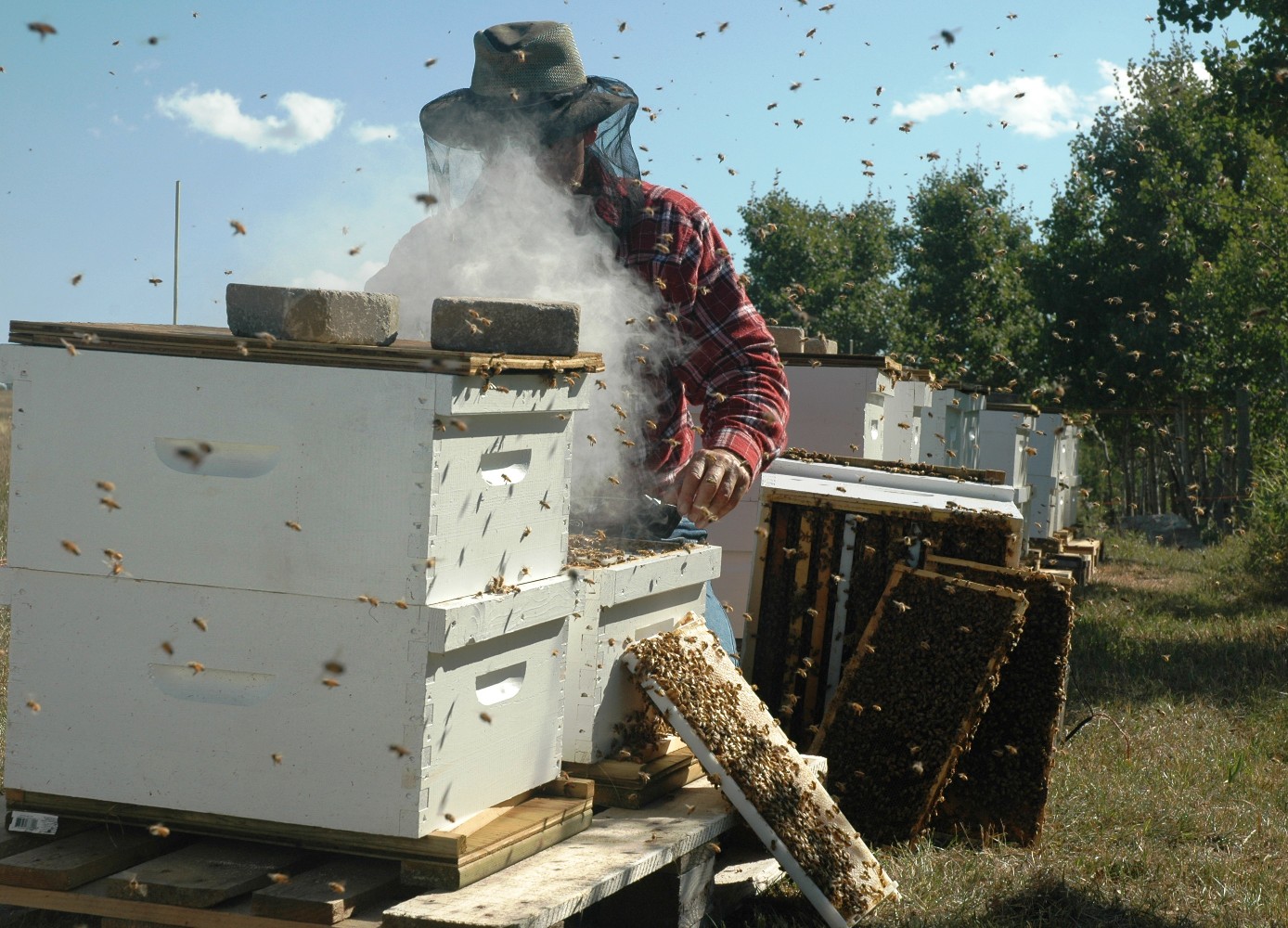
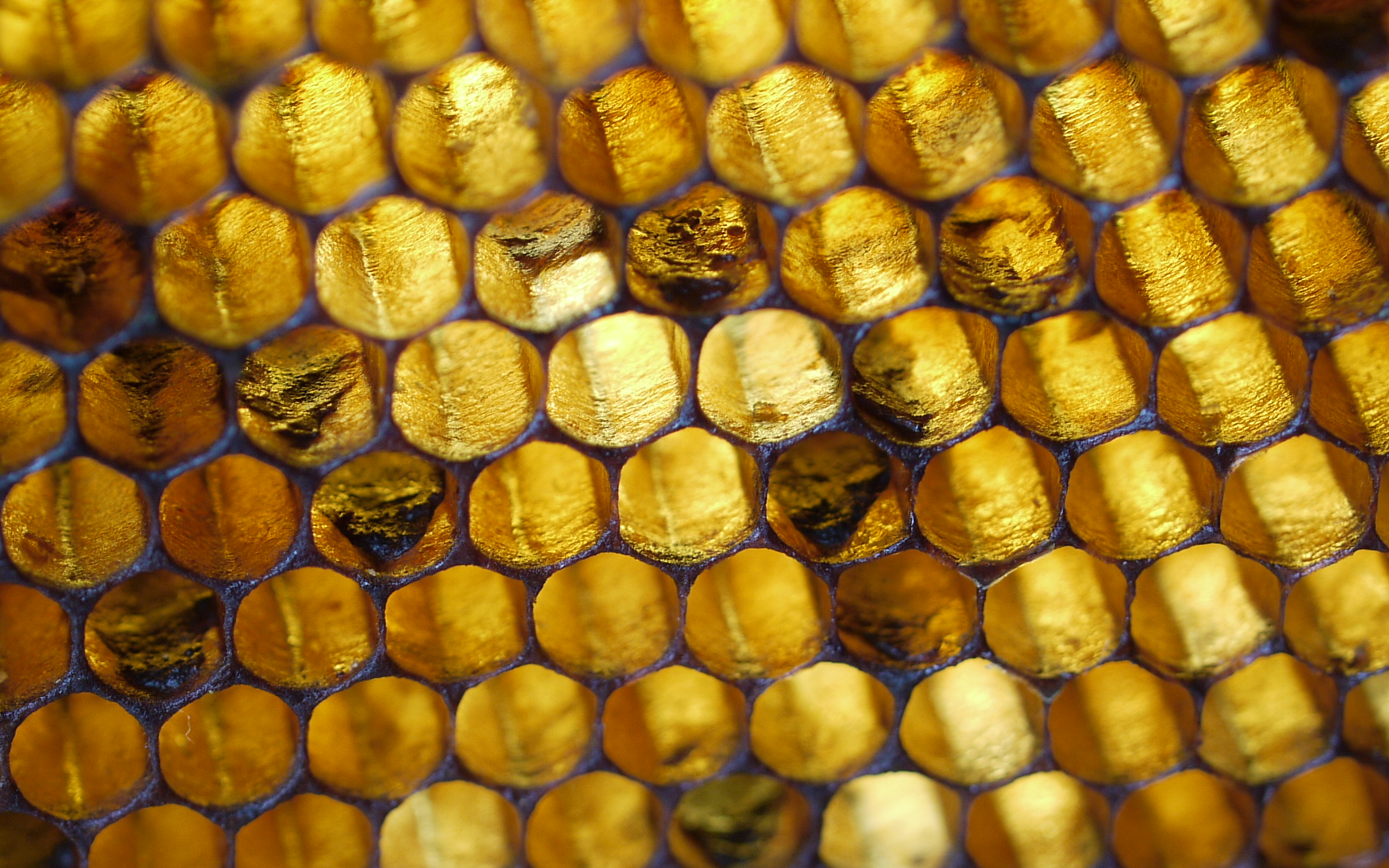
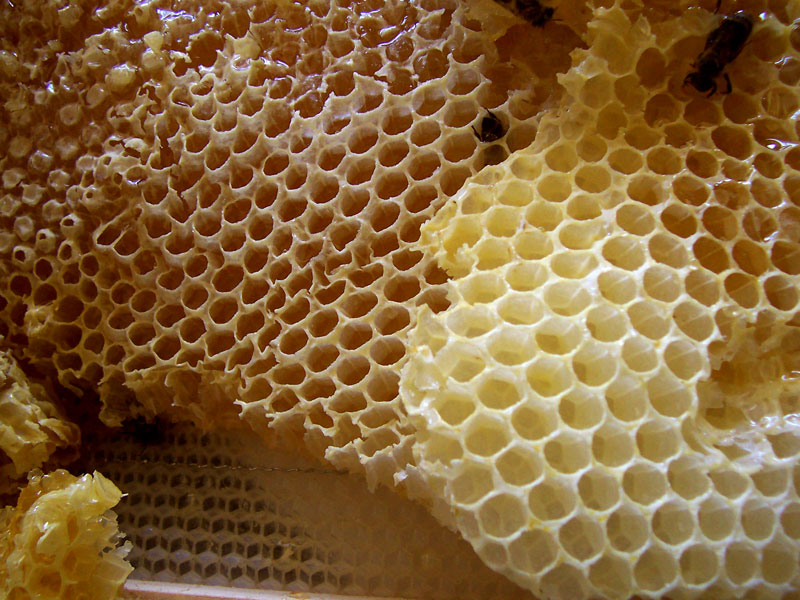
Oilseed rape, often shortened to OSR, produces a rapid spring nectar flow. In good weather, a strong colony can fill supers in days. That speed is useful, but it creates three common problems.
First, colonies may store nectar faster than they can evaporate it. Some frames can look nearly finished but still contain honey with a high water content. High-moisture honey is more likely to ferment.
Second, OSR honey has a high glucose content and granulates very quickly. If you leave it too long, it can set hard in the comb and become difficult or impossible to extract.
Third, the OSR flow often overlaps with the start of the main swarm season. A colony that swarms just as the crop comes in will lose flying bees, momentum and yield.
Successful OSR honey production is therefore less about clever extraction tricks and more about timing: strong colonies ready before the flow, supers added early, swarm pressure managed, and honey removed as soon as it is ripe enough.
Prepare colonies before the flow
By the time oilseed rape is in full flower, you are already working under pressure. Most of the important preparation should be done in late winter and early spring.
Build strong, healthy colonies
OSR rewards colonies with a large population of young bees and foragers ready at the start of the flow. Weak colonies may build up on the crop but miss the best nectar.
Before moving or committing colonies to OSR, check:
- Queen performance and brood pattern
- Adequate adult bee population
- Food reserves before the flow starts
- Disease signs, including abnormal brood, sunken cappings or poor colony smell
- Varroa levels and treatment history
- Availability of drawn comb and clean supers
Use only authorised Varroa treatments and follow the product label, especially around honey supers. Avoid any treatment that could contaminate a crop. Monitoring before the season helps you identify colonies that are unlikely to perform well or need attention.
Do not contaminate honey with feed
If colonies need feeding before the flow, feed early and remove feeders before honey supers are put on. Do not feed syrup while supers intended for harvest are on the hive, unless you are deliberately feeding for colony survival and the supers are not for human consumption. Syrup in supers can adulterate honey and damage customer trust.
Place apiaries carefully
If you are moving colonies to OSR, think beyond distance to the crop. Choose a site that is sheltered, accessible in wet spring weather and safe from livestock or public interference. Colonies need a clean water source nearby, particularly during rapid brood rearing.
Speak to the farmer or landowner before the crop flowers. Ask about spray plans and agree how you will be notified of pesticide applications. Bees should not be flying through fresh spray, and poor communication can cost colonies as well as crops.
Super early and generously
The most common OSR mistake is adding space too late. Colonies need room before they are crowded.
Add the first super when the colony is strong and the flow is imminent, not when bees are already hanging out of the entrance. Drawn comb is far more valuable than foundation during OSR because the flow may be too short for bees to draw and fill foundation efficiently.
For strong colonies, be ready to add another super as soon as the first is well occupied. During a heavy flow, inspect the supers frequently enough to prevent congestion, but avoid long, disruptive inspections.
Record each super added, including:
- Apiary and hive ID
- Date added
- Super type and number
- Drawn comb or foundation
- Whether it was above or below existing supers
- Notes on colony strength and weather
Bee Hive Tracker is useful here because super dates, colony notes and later harvest weights can be compared at the end of the season. That makes it easier to see which colonies, apiaries and management decisions produced the best crop.
Manage swarming before it costs the crop
OSR and swarming often arrive together. A colony preparing to swarm can still store nectar, but once the prime swarm leaves, honey production usually falls sharply.
Use a swarm-control method you know well. Suitable methods include:
- Artificial swarm
- Pagden method
- Demaree
- Nucleus split
- Queen replacement in advance of the main season
- Brood box expansion where appropriate
Do not rely on cutting out queen cells week after week as a complete swarm-control plan. It may delay swarming, but it can also fail suddenly or leave a colony queenless if you miss a cell or remove the wrong ones. Once charged queen cells are present, make a clear decision and carry out a proper control method.
During the OSR flow, inspections should be efficient and purposeful. Confirm queenright status, brood condition, swarm cells, space and disease signs. Avoid tearing the brood nest apart unnecessarily, especially in unsettled spring weather.
Watch the flow and the weather
The OSR flow is heavily weather-dependent. Warm, settled conditions can produce a sudden flood of nectar. Cold, windy or wet weather can stop foraging and leave partly ripened stores sitting in supers.
Useful field observations include:
- Bees returning with pale yellow pollen
- Strong nectar smell from the hive
- Rapid increase in super weight
- Fresh white wax on comb edges
- Bees occupying the full width of supers
- OSR flowers beginning to fade or green pods forming
Do not wait until every field is finished before checking supers. If honey is ripe, remove it promptly. OSR left too long may granulate in the comb.
Decide when OSR honey is ready to harvest
Cappings are helpful but not perfect. A well-capped frame is more likely to be ripe, but OSR can still be too wet in some conditions. Equally, some uncapped honey may be low enough in moisture if bees have been actively ripening it.
Use three checks together:
- Capping: preferably most cells capped, especially across the centre of the frame.
- Shake test: nectar should not splash out when the frame is shaken sharply over the hive.
- Refractometer reading: measure moisture before extraction and again on the bulk batch.
For OSR, prompt harvesting matters. If a super is ripe, do not leave it on for another fortnight “just to be sure”. It may set in the comb.
Moisture targets for OSR honey
UK honey sold as honey must meet the relevant legal standards, including moisture limits. For most honey, the maximum water content is 20%, but that is a legal ceiling, not a quality target. Many beekeepers and buyers prefer OSR honey at 18% or below because it stores better and is less likely to ferment.
Practical moisture guide:
- 17.0–18.0%: Good target for storage, bottling and sale.
- 18.1–19.0%: Usable with caution if clean and stable, but monitor carefully and consider creaming or faster turnover.
- 19.1–20.0%: Increased fermentation risk. Avoid long storage and do not bottle without a clear plan.
- Above 20.0%: Do not sell as table honey. Return to bees if possible or use appropriate controlled moisture-reduction methods.
Fermentation risk depends on yeast levels as well as water content, but high moisture is the factor you can measure and manage.
How to take accurate moisture readings
A refractometer is essential for serious OSR honey production. Use a honey refractometer, calibrate it according to the manufacturer’s instructions, and clean the prism between samples.
Good practice:
- Take samples from more than one frame.
- Sample both centre and edge frames if the super is uneven.
- Use honey from within the cell, not condensation or surface moisture.
- Allow the sample and instrument to stabilise to the correct temperature, or use a reliable automatic temperature compensation model.
- Record the reading, date, hive, super and frame position.
- Take a final reading from the mixed bulk honey after extraction.
If readings vary widely between frames, treat the wettest readings seriously. A few wet frames can raise the moisture of an entire batch.
What to do with honey that is too wet
Wet OSR honey is common in difficult seasons. Do not bottle it and hope for the best.
Return frames to the bees
If the weather is improving and the colony is strong, returning wet frames to the hive is usually the best option. Bees are better at ripening honey than most small-scale equipment. Make sure the colony has enough bees to cover and protect the combs.
Use a warm, dry room before extraction
For uncapped or borderline frames, some beekeepers use a clean, enclosed warm room with a dehumidifier and gentle air movement before extraction. This can reduce moisture in open cells, but it must be done hygienically and monitored with a refractometer. Do not expose combs to dust, insects, rodents or strong odours.
Blend only with care
Blending a higher-moisture batch with a dry batch can produce a stable final honey, but it must be measured, mixed thoroughly and recorded. The final batch needs its own moisture reading and batch number. Record source batches and proportions so the blend remains traceable.
Controlled crystallisation is not a drying method
Creaming OSR honey can produce an excellent fine-set product, but it does not reduce water content. Do not use creaming to hide or excuse high moisture.
Do not sell fermenting honey
Signs of fermentation include foaming, gas pressure, bubbling, sour or alcoholic smell, and jar lids doming or leaking. Quarantine affected jars, keep a retained sample, and do not sell them. Use the batch records to trace the cause.
Remove supers cleanly and extract quickly
Once OSR honey is ready, remove and extract it promptly. Delay is the enemy because the honey may granulate in the comb.
Use bee escapes, clearer boards or careful brushing according to your normal practice. Avoid anything that could taint honey. Keep removed supers covered during transport and extraction so bees, wasps, dust and rain cannot enter.
Do not stack full supers in a cold shed for days. Ideally, extract the same day or within 24 hours. If necessary, keep supers in a clean, warm room so the honey remains fluid enough to extract. Warmth helps flow, but excessive heat damages honey quality.
Extraction hygiene for saleable honey
Honey is a food product. Your extraction area and equipment should reflect that.
Use:
- Clean, food-safe buckets, tanks and strainers
- Stainless steel where possible
- Food-grade plastic where stainless is not available
- Clean, dry jars and lids
- Covered tanks and containers
- Clean clothing and handwashing facilities
Avoid:
- Dusty sheds
- Open doors with bees and flies entering
- Smoking near honey
- Paint, fuel, disinfectant or solvent odours
- Dirty cappings trays or reused containers of unknown origin
- Wet jars or damp storage areas
If you sell honey, you should understand your responsibilities as a food business. Check current Food Standards Agency and local authority guidance.
Uncapping, extracting and settling OSR honey
OSR honey extracts best when warm and freshly removed from the hive.
A good workflow is:
- Uncap over a clean stainless or food-grade tray.
- Extract gently, increasing speed gradually to avoid breaking comb.
- Strain through coarse and fine food-grade filters.
- Transfer to a covered settling tank.
- Leave for 24–48 hours if the honey remains fluid enough.
- Skim foam and wax particles from the top.
- Draw off clean honey without disturbing sediment at the bottom.
- Take and record a final moisture reading.
- Bottle, cream or store in labelled food-grade containers.
Do not overheat honey. Gentle warming around hive temperature can help handling, but avoid sustained temperatures above about 38–40°C. High heat can damage flavour, aroma and natural enzymes, and it is not a proper solution to high moisture.
Producing set or creamed OSR honey
OSR is naturally suited to soft set honey. If left unmanaged, it may set with a coarse or hard texture. Controlled crystallisation gives a smoother product.
A common approach is to seed liquid OSR honey with a small proportion of fine-grained soft set honey, mix thoroughly, then hold it cool while crystals form. The exact method varies, but cleanliness, moisture control and temperature consistency matter.
For a premium product:
- Use only clean, low-moisture honey.
- Keep batch records for the seed honey as well as the OSR honey.
- Avoid introducing air during mixing.
- Jar before the honey becomes too firm to handle.
- Store cool to maintain texture.
Set honey should be marketed honestly. Customers often like OSR for its pale colour, mild flavour and spreadable texture.
Comb and chunk honey from OSR
OSR can make attractive comb or chunk honey if the combs are clean, fully capped and produced for that purpose. However, it can set quickly in the comb, so plan the product before the flow.
For comb honey:
- Use fresh, clean comb or suitable thin foundation.
- Avoid old brood comb.
- Use disease-free colonies only.
- Harvest before granulation becomes excessive.
- Package hygienically.
- Check moisture where practical, especially if cappings are uneven.
Comb honey can command a good price, but only if presentation is excellent.
Disease precautions
Never extract from a colony you suspect has American foulbrood or European foulbrood. Do not move supers away from the site, do not shake bees around the apiary, and do not redistribute combs. Close the hive up, reduce robbing risk and contact your local bee inspector or the National Bee Unit for advice.
Record what you saw, when you saw it, the hive location and any photographs. Bee Hive Tracker can be used to keep disease notes linked to the hive record, but official bee health advice should guide your actions.
Do not return cappings, wet supers or extracted combs from suspect colonies to other hives. Disease control is more important than salvaging a crop.
Traceability and batch records
Traceability is essential for OSR honey because problems such as fermentation often show up after bottling. You need to know which hive, apiary, super and extraction batch each jar came from.
Record at least:
- Apiary ID
- Hive ID
- Super number or description
- Date super added
- Date honey was judged ready
- Harvest date
- Extraction date
- Moisture readings
- Batch weight
- Storage container ID
- Jar batch or lot number
- Bottling date
- Any blending details
- Retained sample location
- Notes on disease checks or unusual conditions
For practical record-keeping, Bee Hive Tracker works well when each harvest note is linked to the hive and each batch has its own identifier. This makes it much easier to compare yield, moisture and colony performance after the season.
UK labelling and food business reminders
If you sell honey in the UK, check current rules with the Food Standards Agency, your local authority and trading standards. Requirements can change, and local interpretation may vary.
Typical areas to check include:
- Food business registration where required
- Honey labelling rules
- Country of origin
- Net weight in metric units
- Name and address of the producer or packer
- Best before date
- Batch or lot number
- Accurate description of the product
- Weights and measures compliance
- Hygiene standards for extraction and bottling
Do not make medicinal claims for honey. If selling as “oilseed rape honey” or “OSR honey”, be confident that the crop is predominantly from oilseed rape and that the description is not misleading.
Post-extraction colony care
After removing OSR honey, check that colonies still have adequate stores, especially if the weather turns poor. A strong colony can be left short if a large crop is removed during a gap before the next nectar source.
After extraction:
- Return wet supers only to appropriate healthy colonies and manage robbing risk.
- Do not leave wet comb exposed in the open.
- Check queenright status if swarm control was carried out.
- Assess brood pattern and colony strength.
- Plan the next Varroa monitoring point.
- Store extracted comb safely against wax moth and mice.
Be careful with feeding immediately after the crop if supers for a later harvest are present. Keep honey crops and feed clearly separated.
Common OSR honey mistakes
The main avoidable failures are predictable.
Adding supers too late causes congestion and swarming.
Waiting too long to harvest allows honey to set in the comb.
Extracting without moisture checks increases the risk of fermentation.
Assuming capped honey is always dry enough can lead to unstable batches.
Using dirty or unsuitable equipment can taint or contaminate honey.
Blending without records destroys traceability.
Selling borderline honey without retained samples makes complaints harder to investigate.
Moving supers from suspect colonies risks spreading serious disease.
A disciplined system prevents most of these problems.
Practical OSR harvest checklist
Before the flow:
- Prepare clean supers and drawn comb.
- Check queen performance and colony strength.
- Monitor Varroa.
- Confirm apiary access and spray communication with the farmer.
- Clean extractor, tanks, strainers and jars.
- Calibrate the refractometer.
- Set up batch numbering.
During the flow:
- Add supers early.
- Inspect for swarm signs.
- Record super dates and colony condition.
- Watch weather and crop stage.
- Check capping and moisture as supers fill.
At harvest:
- Remove only suitable supers.
- Keep supers covered and clean.
- Extract promptly while honey is still fluid.
- Take moisture readings.
- Strain, settle and label the bulk batch.
- Keep a retained sample.
After bottling:
- Store cool, dry and dark.
- Rotate stock by batch.
- Monitor for fermentation.
- Review yields and moisture readings by colony.
- Use the records to improve next year’s OSR plan.
Final advice
Oilseed rape honey is a crop of timing. Have strong colonies ready before the flowers open, super early, control swarming decisively, and remove ripe honey before it granulates in the comb. Use a refractometer rather than guesswork, keep extraction hygiene tight, and make every jar traceable to a batch.
Good records are not paperwork for its own sake. They show which colonies performed, which apiaries produced wet honey, which supers were harvested at the right time, and which management choices paid off. With consistent notes in Bee Hive Tracker or your chosen record system, OSR becomes easier to manage each season.
If you are unsure about disease, food safety or labelling, seek current advice from the National Bee Unit, your local bee inspector, your local association, the Food Standards Agency or trading standards.
Sources Used
- https://www.gov.uk/government/collections/bee-health
- https://www.food.gov.uk/business-guidance/food-safety-and-hygiene-for-businesses
- https://www.bbka.org.uk
- https://www.nationalbeeunit.com