How to Manage Double Brood Colonies
A double brood colony is a colony using two full brood boxes, usually two National brood chambers in the UK, with brood and nurse bees spread through both boxes. It can be a very useful system for strong colonies, honey production, queen rearing and making nucs, but it needs more deliberate management than a single brood box.
The key decisions are simple: decide why the colony is on double brood, inspect both boxes properly, manage swarm risk early, monitor varroa, and either keep the space in use or reduce it before winter if it is no longer needed. Good hive records make a big difference, especially when frames are moved between boxes or split into nucs.
What “double brood” means
Double brood means the queen has access to two brood boxes and the colony is using both for brood rearing. It is not the same as:
- a brood box with an empty box placed above it
- a super full of stores above the brood nest
- brood and a half, where a brood box and shallow super are used for brood
- a Demaree or other swarm-control manipulation, where queen access may be deliberately restricted
In a true double brood colony you may find eggs, larvae, sealed brood, pollen and nurse bees in both the upper and lower brood boxes. Supers normally sit above a queen excluder, with both brood boxes below it.
In the UK, double brood most often develops or is deliberately created during spring build-up, particularly from April to June when colonies expand quickly. It may continue through the main nectar flow, and in some apiaries strong colonies overwinter successfully on double brood. In other cases, the second box becomes unnecessary by late summer and is better removed.
Why use double brood?
Double brood is not automatically better than single brood. It is a tool for particular colonies and aims.
Benefits
A well-managed double brood colony can:
- give a prolific queen enough laying space
- reduce brood nest congestion when used early enough
- build a large foraging force for the main flow
- provide frames of brood and bees for nucs or queen rearing
- help support colonies on very productive sites
- provide more flexibility when balancing colonies in an apiary
Some strains of honey bee and some queens simply need more space than a single National brood box provides. If they are repeatedly cramped, they may become harder to manage and more inclined to swarm.
Risks
Double brood also brings extra work and a few traps:
- inspections take longer and must cover both boxes
- queen cells can be missed in the second box
- swarm pressure can build quickly in May and June
- finding the queen is harder
- varroa levels can rise rapidly because there is more sealed brood
- treatments may be less effective when brood is present
- excess empty comb in autumn can make the colony harder to assess and manage
- heavy boxes increase the risk of poor handling and damaged queens
A double brood colony should not be left alone just because it looks strong. Strong colonies can still swarm, become queenless, or carry high mite loads.
When to keep a colony on double brood
Keeping two brood boxes makes sense when most of the following are true:
- the queen is laying well and the brood pattern is sound
- the colony is calm enough to inspect thoroughly
- both boxes contain useful brood, pollen or stores
- there is a nectar and pollen flow or one is expected soon
- you want a large foraging force, nucs, queen cells or spare brood
- there are no advanced swarm preparations
- varroa monitoring is up to date and mite levels are acceptable
It is usually a good decision in late spring or early summer if the colony is expanding and you have a clear purpose for the extra space.
When to reduce from double brood to single brood
Consider reducing the colony if:
- the upper box contains mostly empty comb
- the colony has contracted after the main flow
- brood is scattered and difficult to manage
- the queen is failing or the colony is being requeened
- you want to simplify varroa treatment
- winter preparation is approaching
- there is insufficient bee coverage for two boxes
- the colony is defensive and difficult to inspect safely
Do not reduce space simply by removing brood. If both boxes contain brood, consolidate carefully so the remaining brood nest is compact, well covered by bees, and has adequate stores.
Inspection routine for double brood colonies
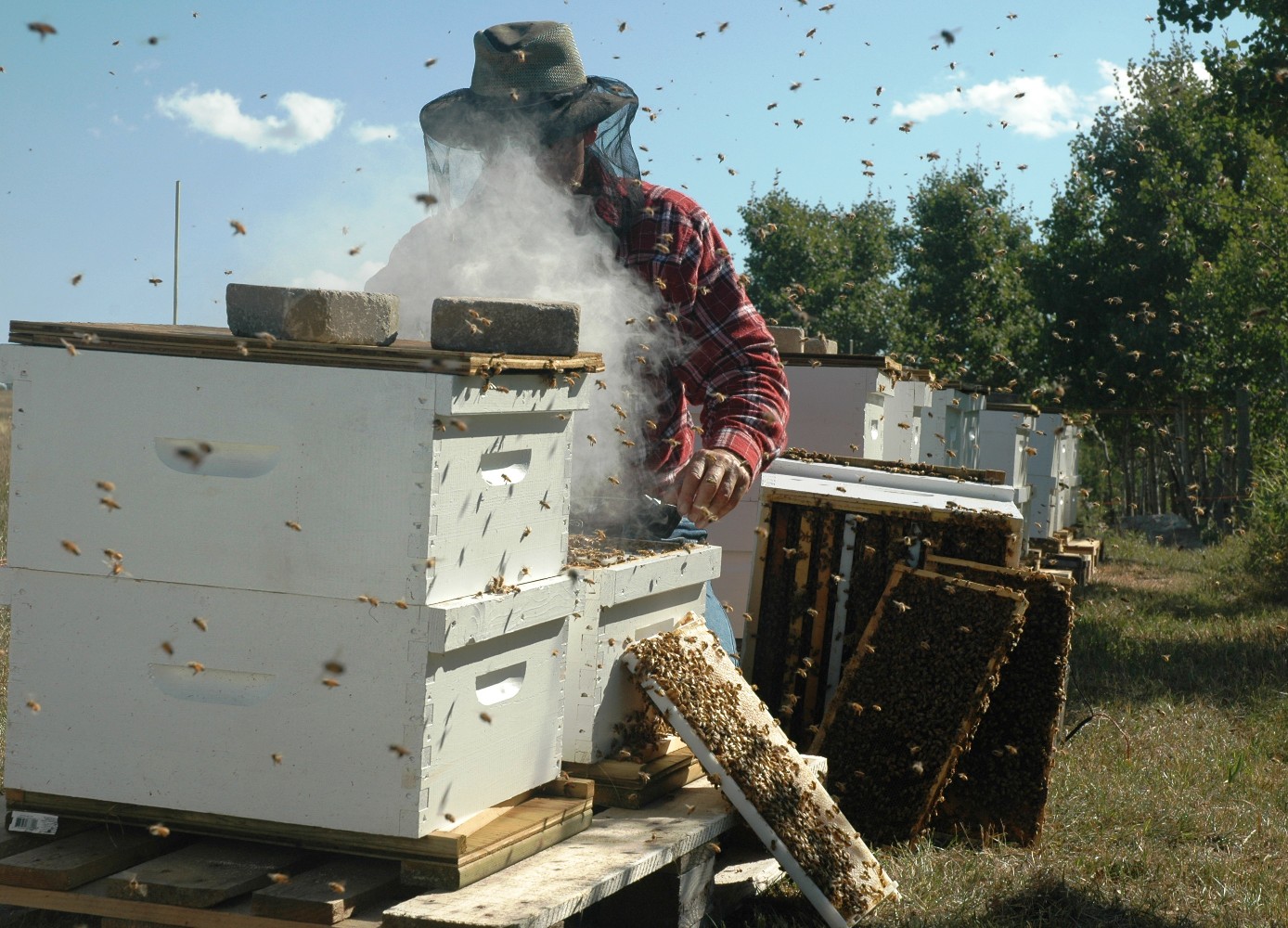
Double brood inspections need a methodical routine. Rushing is how queens are lost and queen cells are missed.
Before opening the hive, decide your purpose. Are you checking for swarm preparations, finding the queen, taking brood for nucs, assessing stores, or preparing for winter? Trying to do everything without a plan makes the inspection longer and more disruptive.
Record the following each time:
- hive ID and apiary
- date, weather and reason for inspection
- number of brood boxes in use
- whether the queen was seen, marked, clipped or only confirmed by eggs
- brood in each box: eggs, open brood, sealed brood and drone brood
- number and position of queen cells or charged queen cups
- frames of stores and pollen
- temperament
- signs of disease or abnormal brood
- varroa monitoring result, if checked
- actions taken, including frames moved
- next action and date
Bee Hive Tracker is useful here because double brood decisions depend on detail. “Moved two frames of sealed brood from upper box to lower box” is much more useful later than “tidied brood nest”.
How to inspect two brood boxes
Work calmly and keep the boxes in order.
- Smoke lightly and remove supers if present.
- Set supers aside covered to avoid robbing and chilling.
- Remove the queen excluder and check it, as queens are sometimes found there.
- Inspect the upper brood box first or lift it aside and inspect the lower box first, depending on your normal method.
- Keep frames in the same orientation.
- Check every brood frame for eggs, larvae, sealed brood and queen cells.
- Pay attention to the bottom bars of the upper box and the lower edges of brood frames, where swarm cells are often built.
- If you see the queen, protect that frame and avoid shaking it.
- Reassemble with brood compact and food close to the cluster.
If you separate the boxes during inspection, place the upper box on an upturned roof or stand, not directly on the ground. Be aware that the queen may be in either box.
Scenario 1: strong double brood colony with no queen cells
This is the easiest situation. If it is spring or early summer and both boxes are well occupied, you can usually leave the colony on double brood.
Useful actions include:
- ensuring there is enough super space above the queen excluder
- keeping the brood nest compact but not congested
- moving one or two suitable brood frames only if there is a clear reason
- adding drawn comb where it will be used
- planning nuc production if the colony is suitable
- setting a short inspection interval during swarm season
Avoid excessive rearranging. Bees manage their brood nest well, and unnecessary frame shuffling can chill brood, separate stores from brood, or make later inspections confusing.
If the queen is prolific and the colony remains calm, this may become one of your best production or breeding colonies. Mark it clearly in your records.
Scenario 2: double brood colony with queen cells
A double brood colony with charged queen cells in late spring should be treated as a colony preparing to swarm until proven otherwise. Simply cutting out queen cells is rarely enough in a strong colony. It may delay swarming for a few days, but it does not remove the cause.
First, establish what you are seeing:
- queen cups with no egg or larva: note and monitor
- queen cells with egg or larva in royal jelly: swarm control is needed
- sealed queen cells: the colony may already have swarmed
- emergency cells on the face of the comb: check whether the queen is present
- supersedure cells: assess queen performance and colony behaviour carefully
Common options include:
Artificial swarm
This is a standard response when the queen is present and the colony has charged swarm cells. The principle is to separate the flying bees from most of the brood and queen cells, while keeping the old queen in a position where the flying bees return to her.
There are several accepted methods, so follow a method you understand and can complete accurately. Record exactly where the queen, brood and queen cells are left.
Split or nuc with the queen
If you want increase, you can remove the queen with two or three frames of brood, bees and stores into a nuc or spare hive. The parent colony is then managed to raise a new queen from selected cells.
Do not leave a large number of queen cells unless you are deliberately using a method that allows it. Many beekeepers reduce to one or two good, well-positioned cells to reduce the chance of casts. Check later according to your chosen method, but avoid disturbing virgin queens unnecessarily.
Demaree or vertical manipulation
A Demaree can be useful for strong colonies if carried out before swarming is too advanced and if you have the equipment. It separates the queen from most of the brood using brood boxes and queen excluders while keeping the colony together for honey production. It requires careful follow-up inspections for queen cells in the upper brood box.
Whichever method you use, update your records immediately. Double brood swarm control can become confusing if you cannot later remember where the queen was placed.
Scenario 3: using double brood to make nucs
Double brood colonies are often ideal donor colonies, provided they are healthy, calm and not carrying an excessive varroa burden.
A simple nuc might include:
- one frame with eggs or young larvae, if the nuc is to raise its own queen
- one or two frames of sealed or emerging brood
- one frame of stores
- one frame of drawn comb or foundation
- enough adhering bees to cover the brood
- a queen cell or mated queen, depending on your plan
If taking the old queen into the nuc, make sure she is definitely in it before moving the nuc away or closing it up.
Important points:
- do not weaken the parent colony below viability
- avoid taking brood from colonies showing disease signs
- check the donor’s varroa history
- feed nucs if forage is poor
- keep entrances small to reduce robbing
- record which colony supplied the brood and bees
Nucs made from strong double brood colonies can build quickly, but they still need monitoring. A nuc has fewer bees to buffer mistakes.
Scenario 4: late summer or autumn double brood
By late summer, the question changes from “How do I grow this colony?” to “What configuration will winter best?”
You have two main choices.
Overwinter on double brood
This can work well for very strong colonies, especially where the upper box contains stores and the colony covers the space. Some beekeepers routinely overwinter productive colonies on double brood.
It may be suitable if:
- both boxes are well occupied
- the colony is strong and healthy
- stores are adequate
- the upper box is not mostly empty comb
- varroa treatment can be applied correctly for the hive size
- you can heft or weigh the hive reliably
Consolidate to one brood box
Consolidation is usually sensible if the colony has contracted or the second box is mainly empty comb.
Aim to leave:
- a compact brood nest
- the queen in the chosen brood box
- enough bees to cover the brood
- good frames of stores close to the brood
- sound comb, not old damaged comb if better comb is available
Do not split brood across too much empty space. If brood remains in both boxes, bring the best frames together carefully. Remove empty, damaged or surplus comb for storage.
For many UK National colonies, winter stores often need to be in the region of 18–22 kg, but this varies with bee strain, hive type, local climate and winter length. Hefting, weighing and local experience are more reliable than a single national figure.
Managing brood distribution
Brood frame movement should be limited and purposeful. The aim is not to redesign the nest at every inspection, but to prevent obvious congestion and keep brood well covered.
Good reasons to move frames include:
- consolidating brood before winter
- making a nuc
- balancing a very uneven double brood nest
- placing drawn comb where the queen can use it
- removing old comb gradually
- carrying out a planned swarm-control method
Poor reasons include:
- moving frames because the colony “looks untidy”
- spreading brood too widely in cool weather
- inserting foundation into the middle of a brood nest during a cold spell
- moving frames without checking for the queen
When moving brood between boxes:
- keep frames the same way round
- avoid separating open brood from nurse bees
- keep brood frames together rather than isolated
- do not shake the queen
- record the movement if it affects later management
Checkerboarding and double brood
Checkerboarding is sometimes discussed as a swarm-management technique, but it is often misunderstood. It generally refers to alternating frames of stores and empty drawn comb above or around the brood nest to alter the bees’ perception of space. It is not a varroa treatment and should not be relied on to reduce mite levels.
In UK conditions it is not a first-choice method for most beekeepers managing double brood. It can be disruptive if done at the wrong time, particularly in cold spring weather. If you use it, use drawn comb, avoid splitting brood during cold conditions, and keep careful notes on the outcome.
For most double brood colonies, better swarm control comes from timely inspections, adequate supering, artificial swarms, Demaree methods, nuc making, and good queen management.
Varroa management in double brood colonies
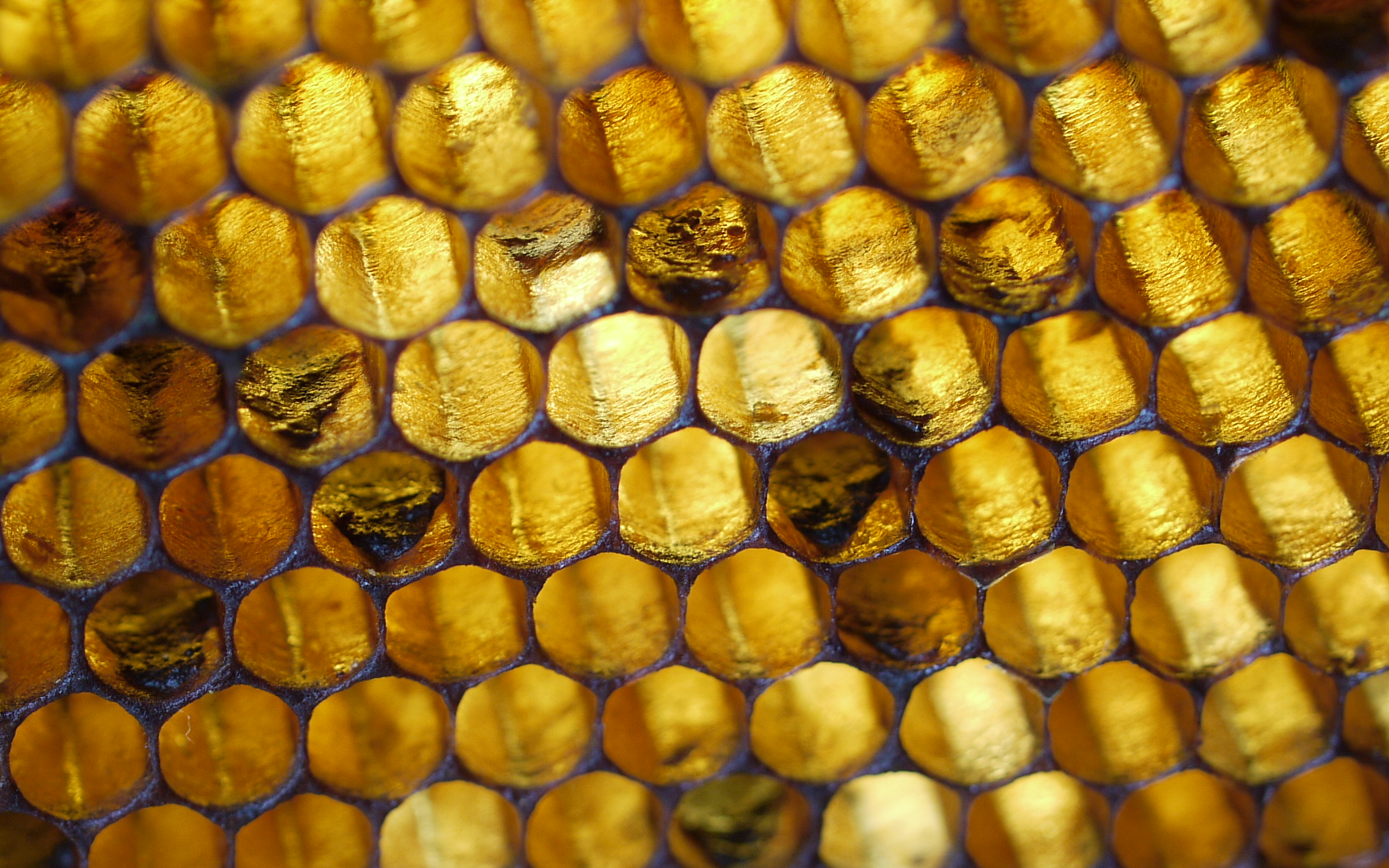
Double brood colonies can raise a lot of bees, but they can also raise a lot of varroa. A strong-looking colony may hide a serious mite problem until late summer, when winter bees are being produced.
Use routine monitoring such as:
- natural mite drop on a monitoring board
- sugar roll, where you are confident using it
- alcohol wash, where appropriate and acceptable to your management
- brood uncapping checks, particularly drone brood, as part of wider assessment
No single test is perfect. The important point is to monitor consistently, record results, and act before mite levels damage winter bees.
Treatment choices should follow current UK guidance and product instructions. Use authorised products correctly, observe temperature ranges, remove supers where required, and record:
- product name
- active ingredient
- dose
- start and finish dates
- batch number
- mite drop before and after treatment
- whether brood was present
Oxalic acid treatments are most effective when little or no sealed brood is present, commonly during a winter broodless period or after a planned brood break. Treatments used while brood is present must be chosen and timed accordingly.
If you split a double brood colony, remember that mites are split too. A brood-heavy nuc can carry a significant mite load even if it looks vigorous.
Disease vigilance
Double brood does not cause disease, but it can make disease easier to miss because there are more brood frames to inspect.
Look for:
- patchy or pepper-pot brood patterns
- sunken, perforated or greasy-looking cappings
- larvae in abnormal positions
- discoloured or melted larvae
- unpleasant smells
- scales in cells
- dead brood that does not remove cleanly
American foulbrood and European foulbrood are notifiable diseases in the UK. If you suspect either, do not move frames, bees or equipment to other colonies. Close the hive, avoid spreading material, and contact your local Bee Inspector or the National Bee Unit.
Photographs can be useful for advice, but do not delay reporting suspicious signs. Your local association or mentor can help with general brood assessment, but suspected foulbrood should go to the official inspection service.
Queen management in double brood colonies

A prolific queen is often the reason a colony needs double brood. She also becomes harder to find.
Good practice includes:
- marking queens when conditions are suitable
- recording the queen’s year and colour
- noting whether she was seen or only confirmed by eggs
- avoiding unnecessary queen handling during swarm manipulations
- checking queen status after splits at the right interval
- replacing queens from colonies that are persistently defensive or swarmy
If the colony is queenless, double brood can make diagnosis harder. Check for eggs, young larvae, emergency cells, polished cells, and the sound and behaviour of the bees. Do not keep adding space to a colony that lacks a laying queen.
Equipment and handling considerations
Double brood means heavier lifting and more kit. Prepare before opening the hive.
Useful equipment includes:
- a spare brood box
- dummy boards or insulated dummies where appropriate
- drawn brood comb
- a queen excluder in good condition
- nuc boxes ready for use
- a spare floor and roof for splits
- frame markers or a clear way to identify moved frames
- a clean stand or roof for setting boxes down
National brood boxes are common in the UK, but the same principles apply to Commercial, Langstroth, Smith and other hive types. Adjust frame numbers and stores estimates to the hive.
Drawn comb is particularly valuable. Adding a second brood box full of foundation may help in a strong flow, but it is not the same as providing immediate laying space. In poor weather, a box of foundation may be ignored.
Winter preparation after double brood
Winter preparation should be based on colony strength, stores, varroa status and hive configuration.
Key steps:
- decide whether the colony will winter on single or double brood
- remove surplus empty comb
- ensure stores are adequate and accessible
- complete autumn varroa treatment in good time
- consider a winter oxalic acid treatment if appropriate
- reduce entrances against wasps and mice
- fit mouse guards where needed
- protect hives from wind and livestock
- check hive weight without excessive disturbance
- keep clear records of feed and treatments
Avoid creating cold, unused space above or around a small cluster. Equally, do not force a genuinely large colony into too little space if it still needs stores and room to cluster.
Moisture management matters, but avoid unnecessary draughts through the cluster. Many UK beekeepers use open mesh floors with an insulated crownboard or roof arrangement, but local practice varies.
Seasonal quick reference for UK beekeepers
March to April
Colonies begin to build when weather and forage allow. Assess strength and stores. Add space only when bees can use it. A second brood box may be suitable for very strong colonies, but avoid chilling brood in cold snaps.
May to June
This is the main double brood swarm-risk period in many UK areas. Inspect regularly, check both boxes, provide super space, and act promptly on charged queen cells. Prepare nuc kit before it is needed.
July
Use surplus brood carefully if making nucs. Continue varroa monitoring. After the main flow, reassess whether two brood boxes are still required.
August to October
Prepare winter bees. Treat varroa according to your chosen authorised method and local timing. Consolidate colonies that no longer need double brood. Feed if stores are short.
November to February
Disturb colonies as little as possible. Check weight, entrances and weather protection. Winter oxalic acid treatment may be appropriate when colonies are broodless or near broodless, depending on your management and current guidance.
Common mistakes
Leaving double brood unmanaged
A strong colony can go from “doing well” to “swarmed” very quickly in May. Double brood still needs timely inspections.
Not checking both boxes
Queen cells in the upper brood box are easy to miss. Inspect every brood frame during swarm season.
Moving frames without knowing where the queen is
Before shaking bees, making nucs or rearranging frames, check for the queen. If she is marked, record when and where she was last seen.
Assuming a strong colony has low varroa
High brood levels can support high mite reproduction. Monitor rather than guessing.
Consolidating too late
If you plan to reduce to one brood box for winter, do it while weather is still suitable and bees can reorganise stores.
Keeping poor colonies on double brood
A defensive, diseased, queenless or failing colony does not improve simply because it has more equipment. Fix the underlying problem first.
Example: spring double brood split
A late-May colony is on two National brood boxes with brood in both. It is calm, populous and has charged queen cells. The queen is found in the lower box.
A suitable plan is to create an artificial swarm or remove the queen into a nuc with brood, bees and stores, then manage the parent colony’s queen cells according to the chosen method. The exact frame movements, queen location and remaining queen cells should be recorded immediately.
In Bee Hive Tracker, useful notes would include the number of queen cells, which box they were in, where the queen was moved, which frames went into the nuc, and the date for the follow-up check.
Example: autumn consolidation
In September, a colony that was double brood during the summer now has most brood in the lower box and only scattered stores and empty comb above. The queen is laying well, but the bee population no longer covers both boxes fully.
A sensible approach is to find or confirm the queen in the chosen brood box, bring together the best brood and stores frames, remove surplus empty comb, feed if needed, and record the final configuration. Varroa treatment records should include dates, product, batch number and mite drop.
Record-keeping for double brood management
Double brood management is much easier when your records show what actually happened, not just what you intended to do.
Record:
- hive ID and apiary location
- number of brood boxes
- queen status and last seen location
- brood frame counts in upper and lower boxes
- queen cell number and position
- supering and stores
- frame movements
- nucs or splits made from the colony
- varroa monitoring and treatment details
- disease concerns or photographs
- next inspection date and purpose
Over time, these records show which queens need double brood, which colonies are reliable nuc producers, which apiary sites create early swarm pressure, and which interventions worked. Bee Hive Tracker can help keep those details attached to the correct hive rather than scattered through notebooks and memory.
When to ask for help
Ask for help if:
- you suspect American foulbrood or European foulbrood
- you cannot establish queen status after a split
- a double brood colony is too defensive to inspect safely
- you are unsure how to carry out an artificial swarm
- varroa levels remain high after treatment
- you are preparing for your first winter on double brood
Local beekeeping associations are often the best source of practical help because they understand local forage, weather, bee types and swarm timing. For suspected notifiable disease, contact the National Bee Unit or your local Bee Inspector promptly.
Final advice
Double brood colonies give a beekeeper options: stronger production colonies, nucs, queen rearing material and more flexible brood management. They also demand discipline. Inspect both boxes, manage swarm preparations early, monitor varroa, and make a clear autumn decision about winter configuration.
The best approach is not to keep every strong colony on double brood indefinitely. Use double brood when it serves a purpose, reduce it when it no longer does, and keep accurate records so next season’s decisions are based on evidence from your own bees and apiaries.
Sources Used
- National Bee Unit guidance on bee health, foulbrood reporting and varroa management
- Standard UK beekeeping practice taught through local beekeeping associations and practical apiary training
- Field experience managing UK colonies on single brood, brood and a half, and double brood systems