How to Tell If Bees Are Bearding
Bearding is when a large number of bees gather on the outside of the hive, usually around the entrance, landing board or front face of the brood box. It often looks alarming, but in many cases it is normal colony behaviour. Bees may be moving outside to help control temperature and humidity, make space for nectar processing, or ease congestion during a strong flow.
The key is to decide whether you are seeing ordinary bearding or a sign of swarming, robbing, disease or serious overcrowding. Look at the weather, time of day, bee behaviour, entrance activity and what you find inside the hive if an inspection is needed. Good notes, including photographs and follow-up observations in Bee Hive Tracker, make it much easier to spot whether this is a one-off hot-day event or a recurring management issue.
The quick signs of bearding
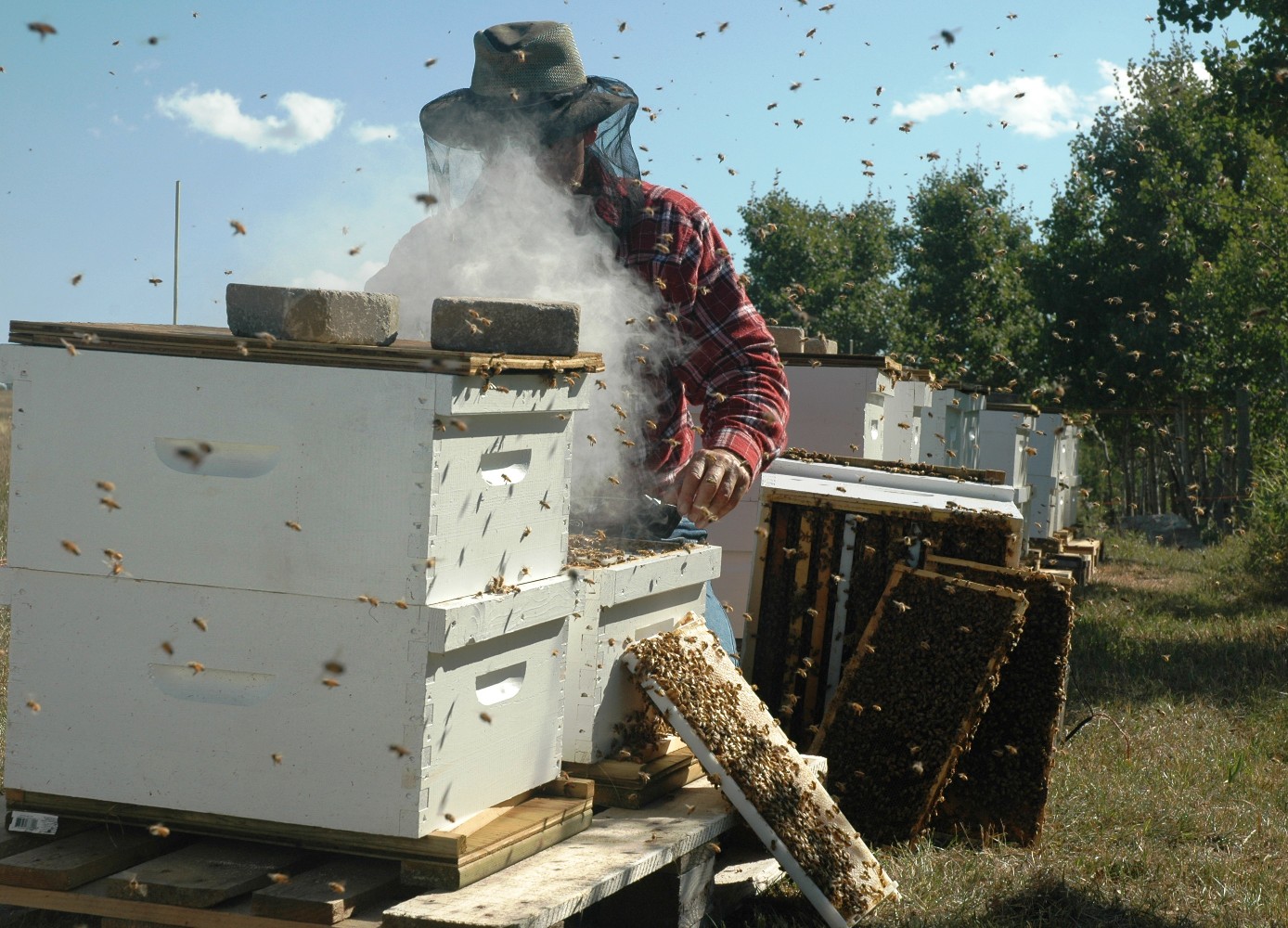
A bearding colony usually shows several of the following:
- Bees clustered calmly on the landing board, front wall or just under the floor edge.
- A “curtain” or mound of bees rather than a flying cloud.
- Bees walking slowly or hanging together, not fighting.
- Foragers still entering and leaving normally.
- Pollen loads visible on returning bees.
- Fanning at or near the entrance.
- The beard reducing or disappearing when the temperature drops.
A small beard on a warm evening is usually nothing to worry about. A thick mass covering the front of the hive, especially if it happens repeatedly, suggests the colony may need more space, better airflow, shade or closer swarm monitoring.
Why bees beard
Bearding is usually part of the colony’s own climate control. A strong colony produces a lot of heat, and nectar ripening adds moisture inside the hive. By moving some adult bees outside, the colony reduces crowding in the brood nest and improves air movement.
Common causes include:
- Hot or humid weather.
- A strong nectar flow.
- A crowded brood box or full supers.
- Limited ventilation or a very sheltered apiary position.
- Large numbers of young adult bees in a strong colony.
- Bees making room inside for nectar ripening.
- Temporary disturbance after an inspection.
It is not, by itself, proof that the colony is about to swarm. However, bearding plus brood nest congestion and queen cells is a different matter and should be treated as a swarm-risk situation.
When you are most likely to see it in the UK
In the UK, bearding is most common from late spring through summer, especially during warm spells and strong nectar flows.
Typical periods include:
- Late spring and early summer during oilseed rape, sycamore, hawthorn and early bramble flows.
- June and July when colonies are at peak population.
- Warm, still evenings after a busy foraging day.
- Late summer during heather, balsam or ivy preparation periods, depending on local forage and weather.
Bearding often builds through the afternoon and evening. On very warm nights, a strong colony may remain outside after dark. That can still be normal. If bees are bearding in cool weather, during poor forage, or continuously for several days, it is worth investigating.
Bearding, swarming or robbing?

Many beekeepers first notice bearding because the hive suddenly looks “too busy”. Before taking action, separate the likely causes.
Bearding
Typical bearding is calm and organised.
Look for:
- Bees clustered on the front of the hive or landing board.
- Little or no fighting at the entrance.
- Normal flight lines in and out of the hive.
- Pollen loads on some returning foragers.
- Fanning bees at the entrance.
- A steady colony hum.
- A beard that reduces as the evening cools, unless the night remains warm.
If you inspect, a normal bearding colony should have healthy brood, eggs or a laying queen, adequate space and no worrying disease signs.
Swarm preparation
Bearding can happen at the same time as swarm preparation, but it is not the main diagnostic sign. You need to inspect the colony.
Signs of swarm preparation include:
- Charged queen cells containing larvae and royal jelly.
- Queen cells along the lower edges or sides of brood frames.
- A crowded brood nest with little laying space.
- A reduction in fresh eggs if the queen has gone off lay before swarming.
- Bees hanging outside as part of a generally congested colony.
- A swarm cluster appearing away from the hive, such as on a branch, fence or post.
If you find charged queen cells in a strong colony during the swarming season, manage it as a swarm control issue rather than simply a ventilation problem.
Robbing
Robbing looks much more frantic than bearding. It often occurs during a nectar dearth, after careless feeding, or when a weak colony cannot defend its entrance.
Signs of robbing include:
- Fighting at the entrance.
- Bees trying to enter through cracks or under the roof.
- Zig-zagging, searching flight rather than steady foraging.
- Dead or damaged bees near the entrance.
- Wax crumbs or cappings debris.
- Few or no pollen loads.
- One hive in the apiary showing intense activity while others are quieter.
- Wasps joining the attack in late summer.
If you suspect robbing, reduce the entrance immediately, avoid opening the hive unnecessarily, stop exposed feeding and close any gaps that allow access.
Quick comparison
| Sign | Bearding | Swarm preparation | Robbing |
|---|---|---|---|
| Bee behaviour | Calm, clustered, often fanning | Restless or congested | Frantic, fighting, searching |
| Pollen coming in | Often yes | May reduce | Usually no |
| Queen cells inside | Usually absent | Present, often charged | Not a defining sign |
| Flight pattern | Normal forager traffic | Variable; may be reduced before swarming | Erratic, darting, robbers testing gaps |
| Time seen | Warm afternoons and evenings | Swarming season, often late spring to midsummer | Dearth periods, after disturbance or feeding |
| Dead bees at entrance | No unusual numbers | Not usually | Common in bad cases |
| First response | Observe, check space and conditions | Inspect and apply swarm control | Reduce entrance and stop access |
How to check a bearding hive in the apiary
1. Observe before opening
Stand a few metres away and watch for several minutes. Do not rush to take the hive apart just because bees are outside.
Note:
- Time of day.
- Weather, temperature and wind.
- Whether other hives are doing the same.
- Whether bees are calm or agitated.
- Whether pollen is coming in.
- Whether there is fanning at the entrance.
- How much of the hive front is covered.
Take a photograph and record the observation against the hive in Bee Hive Tracker. A simple note such as “warm still evening, calm beard, pollen coming in, fanning present” is often enough to interpret it later.
2. Watch the entrance closely
A healthy bearding colony should still have orderly traffic. Bees should be able to enter and leave without being attacked.
Good signs include:
- Bees landing and walking in normally.
- Guards not overwhelmed.
- Returning foragers with pollen.
- Fanners facing the entrance and moving air.
- No clumps of fighting bees.
Warning signs include:
- Bees wrestling or rolling on the landing board.
- Robbers testing corners, roof joints or floor edges.
- Dead bees increasing outside the entrance.
- A sharp change in temperament.
3. Listen and smell
A normal colony has a steady hum. A distressed colony may sound unusually high-pitched, roar when opened, or seem oddly quiet for its size.
Be alert for foul or sour smells, especially if brood looks abnormal. American foulbrood and European foulbrood are notifiable diseases in the UK. If you suspect either, stop moving equipment and seek official guidance from the National Bee Unit or your local bee inspector.
4. Decide whether an inspection is necessary
If it is a hot day, the bees are calm, forage is coming in and the beard is typical, an immediate inspection may not be needed. Opening the hive in full heat can disrupt temperature control and may trigger robbing, especially later in the season.
Inspect if:
- The colony has not been checked recently during swarming season.
- The beard is very heavy and recurring.
- You suspect the brood nest is congested.
- Foraging has dropped suddenly.
- The colony is unusually defensive.
- You see signs of robbing, disease or queenlessness.
- The beard continues in cool conditions.
If you open the hive, work efficiently and avoid leaving frames exposed.
What to check inside the hive
If an inspection is justified, focus on the signs that change your management decision.
Check for:
- Eggs or a laying queen.
- A normal brood pattern for the colony and season.
- Charged queen cells.
- Whether the brood nest is blocked with nectar or capped stores.
- Whether supers are full or being worked.
- Enough drawn comb for nectar storage and laying.
- Adequate food, especially outside a main flow.
- Disease signs such as patchy brood, sunken cappings, ropey larval remains, foul smell or abnormal larvae.
- Varroa-related stress, especially later in the season.
A strong, queenright colony with healthy brood, space in the supers and calm bees is probably just bearding. A congested colony with charged queen cells needs swarm control. A weak or diseased colony with bees outside needs closer diagnosis and, where appropriate, inspector advice.
What to do if the bees are bearding
Leave them alone when conditions are normal
In many cases, the best response is observation rather than intervention.
You can usually leave the colony alone if:
- Bees are calm.
- Pollen and nectar are coming in.
- There is no fighting.
- The hive has enough space.
- The brood looks healthy at the next inspection.
- The beard reduces when conditions cool.
Record it, check again later or the next day, and compare with other colonies in the apiary.
Add space if the colony is crowded
If the brood box is packed and supers are full or nearly full, give the colony more room.
Options include:
- Adding another super during a nectar flow.
- Replacing full supers with empty drawn supers where appropriate.
- Ensuring the queen has laying space in the brood nest.
- Reviewing whether the colony needs a brood-and-a-half or double brood arrangement in future, depending on your equipment and management style.
Do not add large amounts of empty space to a weak colony, especially in poor weather. Match space to colony strength.
Improve airflow sensibly
Bees ventilate their hive very effectively, but equipment and site conditions can make their job harder.
Helpful measures may include:
- Using an open mesh floor correctly.
- Ensuring entrances are not blocked by grass or debris.
- Avoiding excessive insulation during hot spells if it traps heat without allowing moisture movement.
- Using equipment that fits properly and does not create unwanted gaps for robbers.
- Avoiding unnecessary manipulation in the hottest part of the day.
Be careful with makeshift roof propping. Gaps can let in robbers, wasps, rain or draughts, and may not be suitable for your hive design. If extra ventilation is needed, use a controlled method and monitor the result.
Provide water
Bees use water to cool the colony and regulate humidity. In hot weather, a reliable water source can reduce stress.
Good bee water sources include:
- A shallow tray with stones, gravel or corks so bees cannot drown.
- A poultry drinker with landing material.
- A damp moss or gravel area topped up regularly.
- Water placed near the apiary before bees start using a neighbour’s pond, bird bath or livestock trough.
Keep the water source consistent. Bees often continue visiting the first reliable source they find.
Provide shade where appropriate
Hives in full sun can still thrive, but in heatwaves or very exposed sites, afternoon shade can help.
Options include:
- Positioning hives where they receive morning sun and some afternoon shade.
- Using a temporary shade board during extreme heat.
- Keeping vegetation managed without blocking entrances.
Avoid placing hives in deep damp shade all season, as that can worsen moisture problems and make inspections less pleasant.
What to do if it is not just bearding
If you find charged queen cells
Treat the colony as preparing to swarm. Do not simply knock down queen cells without a plan, as this often delays rather than prevents swarming and can leave the colony queenless.
Use a swarm control method suited to your experience and equipment, such as:
- Artificial swarm.
- Nucleus split.
- Pagden method.
- Demaree method, where appropriate.
- Making up a nuc with the old queen or selected queen cells.
Record which method you used and set a follow-up reminder. Queen cell timing matters, and missed follow-ups are a common cause of lost swarms.
If you suspect robbing
Act quickly.
- Reduce the entrance to a defendable size.
- Close gaps around roofs, floors and boxes.
- Avoid opening the hive until activity settles.
- Do not leave comb, wax, syrup or honey exposed.
- Feed only if necessary and do so carefully inside the hive.
- Consider moving a very weak colony only if you understand the risks and have a suitable site.
Continue to watch neighbouring colonies, as robbing can spread through an apiary.
If you suspect disease
Stop routine manipulation and avoid transferring frames or equipment between colonies.
Contact the National Bee Unit or your local bee inspector if you suspect American foulbrood or European foulbrood. These are notifiable diseases in the UK and should not be treated with home remedies or guesswork.
Common mistakes when bees are bearding
Avoid these common errors:
- Panicking and dismantling the hive on a hot afternoon without a clear reason.
- Assuming bearding always means swarming.
- Ignoring queen cells because the bees “look calm”.
- Adding supers too late during a strong nectar flow.
- Giving weak colonies too much space.
- Creating ventilation gaps that invite robbing.
- Moving brood frames between hives without checking for disease.
- Forgetting to check whether the beard dispersed overnight.
- Failing to record repeated bearding and missing a pattern.
Seasonal notes for UK beekeepers
Spring
Warm spring days can produce sudden bearding in strong colonies, especially if forage is coming in fast. This is also the start of the main swarm-risk period, so do not rely on outside behaviour alone. Check for laying space and queen cells during routine inspections.
Early and midsummer
This is peak bearding season. Colonies are large, nectar is being processed and nights may stay warm. Make sure supers are added in good time and continue normal swarm checks.
Late summer
Bearding in late summer may still be heat-related, but robbing risk rises as forage becomes uneven. Wasps may also appear around entrances. Keep entrances appropriate to colony strength and avoid spilling syrup during feeding.
Late summer is also a key time for varroa assessment and treatment planning. A stressed colony may show several symptoms at once, so do not assume all unusual behaviour is due to heat.
Autumn and winter
Persistent clustering outside the hive in cool weather is unusual. It may indicate disturbance, poor internal conditions, pests, queen problems or severe stress. Avoid opening colonies in unsuitable weather unless there is a genuine welfare or disease concern. Seek advice if you are unsure.
What to record when you see bearding
Good records help you distinguish normal seasonal behaviour from a management problem.
Record:
- Hive ID.
- Date and time.
- Weather, temperature and wind.
- Approximate size of the beard.
- Whether fanning was present.
- Whether pollen was coming in.
- Whether other hives were also bearding.
- Whether the beard disappeared later.
- Inspection findings, if opened.
- Queen status and brood pattern.
- Queen cells found or absent.
- Supers added, removed or full.
- Any signs of robbing, wasps or disease.
- Action taken and follow-up date.
In Bee Hive Tracker, attach a photo and tag the note as “bearding”. Over a season, those entries can show whether a colony only beards during hot flows or repeatedly struggles with congestion, poor airflow or swarm pressure.
Practical examples
Calm beard on a warm evening
A strong colony has a hand-sized cluster on the landing board at 7 pm. Bees are calm, pollen is still coming in and other strong colonies are doing the same. By the next morning, the beard has gone.
Likely cause: normal temperature and humidity regulation.
Action: record the observation, check space at the next routine inspection.
Heavy beard with full supers
A large colony has bees covering much of the front box. The weather is warm and bramble is yielding. On inspection, the super is nearly full and the brood nest is tight with nectar.
Likely cause: congestion during a flow.
Action: add suitable super space, check brood nest laying space, record and review in a few days.
Bearding with charged queen cells
A strong colony is heavily bearding. Inside, there are charged queen cells and little room for the queen to lay.
Likely cause: swarm preparation with congestion.
Action: apply a planned swarm control method and set follow-up reminders.
Entrance chaos after feeding
One hive shows frantic flight, fighting at the entrance and bees trying to enter under the roof. There are dead bees on the landing board and no pollen loads.
Likely cause: robbing.
Action: reduce the entrance, close gaps, stop exposed feeding and avoid opening until the colony settles.
Final advice
Most bearding is normal and temporary. Start by watching the colony, not by opening it. Calm bees, normal foraging, fanning and a beard that reduces in cooler conditions usually point to ordinary hive climate control.
Take action when bearding is heavy, repeated, linked with congestion, accompanied by queen cells, or confused with robbing. Provide space, water and sensible ventilation where needed, and keep swarm checks up to date during the season.
Above all, record what you see. A brief note and photograph in Bee Hive Tracker can turn a worrying-looking cluster of bees into useful evidence for better colony management.
Sources Used
- No external research URLs were fetched for this guide; it is based on practical UK beekeeping experience and standard British practice.
- For official UK bee disease, inspection and notifiable disease guidance, see the National Bee Unit: https://nationalbeeunit.com