How to Use a Demaree Method
The Demaree method is a queen-right swarm control technique that uses a second brood box and a queen excluder to separate the laying queen from most of the brood. It is a vertical split rather than a true colony split: the colony remains in one hive, the flying force is largely retained, and honey production is usually less disrupted than with taking a nucleus or performing a full artificial swarm.
Used at the right time, a Demaree can reduce swarm pressure, give the queen fresh laying space, and keep a strong colony working through the spring flow. Used carelessly, it can still result in queen cells being missed, virgins emerging, or a swarm issuing. The method depends on accurate queen finding, good timing, and disciplined follow-up inspections.
When to Use the Demaree Method in the UK
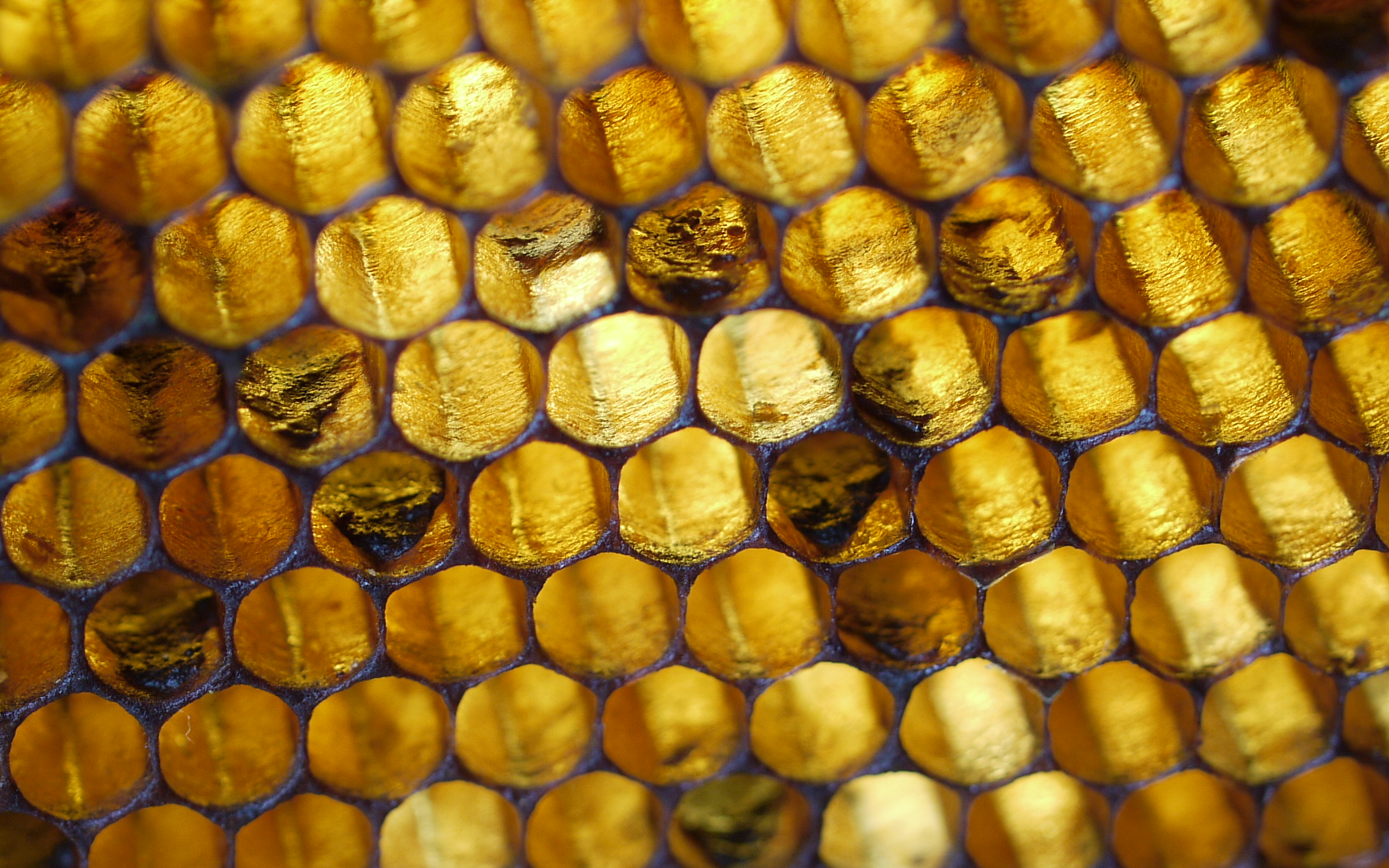
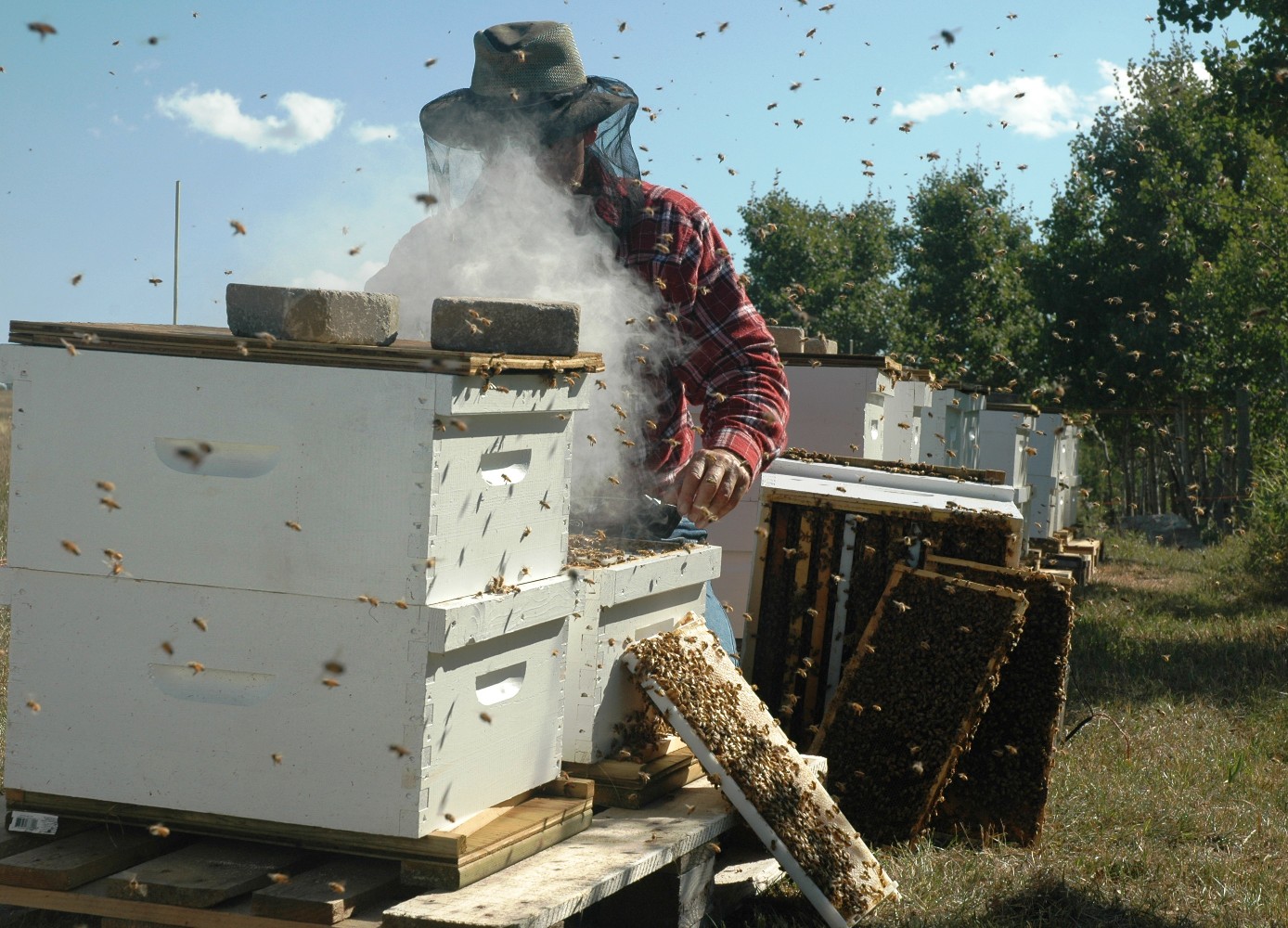
In much of the UK, the main swarm season runs from April to June, with pressure sometimes continuing into July depending on weather, forage and colony genetics. A Demaree is most useful on a strong, queen-right colony that is building fast and still worth keeping together for honey production.
Consider using it when you see several of the following signs:
- A very strong colony with bees covering most frames.
- Congestion in the brood nest, with limited empty comb for the queen to lay.
- Plenty of sealed brood about to emerge.
- Early swarm cups or queen cells, particularly along the lower edges of frames.
- A laying queen that you can find and handle.
- Enough bees to cover brood in both boxes after rearrangement.
- A suitable weather window, ideally warm, settled and calm.
The Demaree is not suitable for weak colonies, queenless colonies, colonies with serious disease concerns, or colonies where queen cells are already close to emergence unless you are prepared to manage them very carefully.
What the Demaree Achieves
The Demaree works by changing the organisation of the colony without removing its workforce. It:
- Gives the queen immediate space to continue laying.
- Separates the queen from most of the brood that would otherwise drive swarm preparations.
- Keeps the colony queen-right, so the flying bees continue to work.
- Creates a predictable inspection point where queen cells in the upper brood box can be found and removed.
- Can preserve honey production better than splitting the colony into separate units.
It is best thought of as swarm control, not a guarantee against swarming. The follow-up is just as important as the initial manipulation.
Equipment Needed
Before opening the hive, prepare everything you need:
- A spare brood box compatible with your hive type, such as National, Commercial, Smith or WBC.
- Enough drawn comb, foundation or clean spare frames to complete the lower brood box.
- A queen excluder in good condition.
- Hive tool, smoker and usual inspection kit.
- Queen marking kit if the queen is unmarked.
- Queen clip or cage if you need temporary control while reorganising frames.
- Spare crownboard or cover cloth if you want to keep boxes covered while working.
- A record-keeping system such as Bee Hive Tracker to log the arrangement, queen location and follow-up dates.
Drawn comb is especially useful because it gives the queen somewhere to lay at once. Foundation can be used during a strong flow, but if the colony is not drawing wax well, lack of laying space may reduce the effectiveness of the method.
Before You Start
Choose a warm day when bees are flying freely. Avoid cold, wet or windy conditions, as brood may become chilled while boxes are open and nurse bees may not move as expected.
Before moving frames, inspect the colony carefully and confirm:
- The queen is present and laying.
- There are no signs of notifiable brood disease.
- The brood pattern is reasonably healthy.
- You have enough bees to cover the brood after separation.
- You know which frames contain eggs, young larvae, sealed brood, stores and queen cells.
If you find suspicious brood symptoms such as sunken perforated cappings, ropiness, unusual smells, scales or patchy dead brood, stop the manipulation and seek advice from the National Bee Unit or your local Bee Inspector.
Step-by-Step Demaree Method

This version is suitable for a standard UK hive using two brood boxes and a queen excluder. The exact box order can be adapted, but the principle remains the same: the queen goes below with laying space, while most of the brood goes above.
Day 0: Carry Out the Demaree
- Open the hive calmly
Use a little smoke and work steadily. Keep frames covered where possible and avoid leaving brood exposed for longer than necessary.
- Find the queen
Locate the queen before rearranging the hive. If she is unmarked and conditions allow, mark her. This makes the manipulation safer and future inspections easier.
If you cannot find the queen, do not guess. A Demaree depends on knowing where she is. Close up and try again later, or use another swarm control method.
- Sort the frames by content
As you inspect, identify frames containing:
- Eggs and young larvae.
- Older larvae.
- Sealed brood.
- Stores and pollen.
- Empty drawn comb.
- Queen cups or queen cells.
Shake or brush bees only when necessary. Nurse bees are useful in the upper box, so there is no need to remove every bee from brood frames unless you are checking queen cells carefully.
- Prepare the lower brood box for the queen
In the bottom brood box, place:
- The queen.
- One frame of brood with the queen, if she is already on a suitable frame.
- Preferably one frame of emerging or sealed brood to provide young bees soon.
- One frame of stores or pollen if available.
- Several frames of drawn comb or foundation to provide laying space.
Many beekeepers place the queen below with one brood frame and fill the remaining space with drawn comb. The important point is that she must have room to lay immediately.
- Move most of the brood above
Place the remaining brood frames into the upper brood box. This usually includes most of the open brood and sealed brood. Add a frame or two of stores if needed so nurse bees have food nearby.
Check carefully for queen cells while doing this. If you are using the Demaree purely for swarm prevention with the original queen, remove all queen cells found at this stage.
- Fit the queen excluder
Place a queen excluder above the lower brood box so the queen cannot move up into the upper brood box.
- Arrange supers if present
A common arrangement is:
- Floor.
- Lower brood box with queen and laying space.
- Queen excluder.
- Supers, if the colony is working them.
- Upper brood box containing most of the brood.
- Crownboard and roof.
Some beekeepers place the upper brood box directly above the queen excluder, especially where no supers are on the hive. If using supers between the brood boxes, make sure the colony has enough bees and warmth to cover the brood above.
- Provide an upper entrance if appropriate
If the upper brood box contains drones and is separated from the lower box by a queen excluder, drones may become trapped. An upper entrance, an eke with an entrance, or occasional release during inspections can help. Keep entrances modest if robbing is a risk.
- Close up and record the manipulation
Close the hive carefully, making sure boxes are aligned and no entrance is blocked. Record the date, queen location, box order and planned follow-up inspection.
In Bee Hive Tracker, log this as a specific action, for example: “Demaree Day 0: queen placed in lower brood box with one sealed brood frame, one stores frame and drawn comb; queen excluder fitted; main brood nest moved to upper brood box; queen cells removed; follow-up due in 7 days.”
Follow-Up Inspection Timetable
The Demaree method fails most often because queen cells are missed or inspections are delayed. Put the follow-up dates in your diary before leaving the apiary.
Day 7: First Queen Cell Check
Inspect the upper brood box thoroughly. Bees in the upper box may start emergency queen cells from eggs or young larvae because the queen is below the excluder.
At this inspection:
- Shake or gently brush bees from each brood frame if needed to see the comb clearly.
- Look along the lower edges and faces of frames.
- Remove all queen cells if you intend to keep the original queen.
- Record how many cells were found and where.
- Confirm the lower queen box has eggs or fresh laying space if practical.
Do not rush this inspection. One missed queen cell can produce a virgin queen and may lead to swarming or queen conflict.
Day 10 to 14: Second Queen Cell Check
Inspect again for late-started or missed queen cells. By this point, eggs that were present at the Demaree manipulation are no longer suitable for bees to start new viable queen cells from, provided the earlier checks were done properly.
At this inspection:
- Remove any remaining queen cells if keeping the old queen.
- Check that the queen below is laying.
- Make sure the brood is well covered.
- Add super space if the colony is crowded and forage is coming in.
Queen development is quick. A queen can emerge about 16 days from the egg being laid, and cells are sealed around day 8 after egg laying. This is why the first follow-up is normally around day 7.
Day 21 to 28: Decide Whether to Recombine or Continue
By three to four weeks, much of the brood moved above will have emerged, and swarm pressure should be reduced if the queen is laying well and no queen cells remain.
You can then:
- Recombine the brood boxes by removing the excluder and restoring a normal brood arrangement.
- Keep the colony on double brood if it needs the space.
- Move frames to balance the brood nest.
- Use frames or bees to make a nucleus if that was part of your plan.
Before recombining, check there are no viable queen cells in the upper brood box.
Example Frame Layout
A practical Demaree layout for a strong colony might look like this:
Lower brood box:
- Queen.
- One frame of sealed or emerging brood.
- One frame of stores or pollen.
- Several frames of drawn comb or foundation.
- Additional empty comb for laying space.
Queen excluder:
- Prevents the queen from moving into the upper brood box.
Supers, if present:
- Retain the flying force for honey production.
Upper brood box:
- Most of the open brood and sealed brood.
- Nurse bees.
- One or two frames of stores if needed.
- Any brood frames that must be checked later for queen cells.
The layout should not leave the queen cramped below. The lower box must offer real space, not simply become another congested brood chamber.
Using the Demaree for Requeening or Making Nucs
The Demaree can also be adapted to raise queen cells or create nucleus colonies, but this requires more planning.
If you want to use a queen cell from the upper box:
- Choose one good, well-positioned cell from suitable young larvae.
- Remove all other queen cells.
- Mark the frame location clearly in your records.
- Decide whether the cell will remain in the upper box or be moved to a nuc.
- Avoid leaving several cells unless you deliberately want virgin queen competition and possible casts.
If making a nuc, ensure it has enough bees, brood, food and weather support. Do not weaken the parent colony so much that you lose the advantage of the Demaree.
When Not to Use a Demaree
Choose another swarm control method if:
- The colony is small or weak.
- The queen is missing or failing.
- You cannot find the queen.
- Queen cells are already sealed and close to emergence.
- You do not have time for follow-up inspections.
- The weather is too cold for brood rearrangement.
- There are signs of brood disease.
- You need a definite increase in colony numbers rather than retaining one production hive.
If a colony has advanced swarm preparations, an artificial swarm, Pagden method, nucleus split or removal of the old queen may be more appropriate.
Common Problems and How to Handle Them
Queen Cells Keep Appearing
This usually means cells were missed, the first follow-up was too late, or the colony remains congested. Inspect the upper brood box carefully, remove cells if keeping the old queen, add space where needed, and check ventilation and forage conditions.
The Queen Stops Laying
A short pause can occur after major manipulation, but she should resume promptly if she has space and support. Check that she is still present, that the lower box contains drawn comb or usable foundation, and that she is not isolated with too few bees.
If laying does not recover within a fortnight, assess whether the queen is failing and consider requeening.
A Virgin Queen Emerges
If a virgin emerges in the upper box, it means a queen cell was missed or left intentionally. The colony may still remain manageable, but the situation has changed. You may need to separate the virgin into a nuc, remove her, or allow the colony to requeen depending on your aim and the condition of the old queen.
Do not assume the colony is safe from swarming once a virgin is present.
Bees Become Bad-Tempered
A Demaree involves major disturbance. Temper can worsen temporarily, especially in poor weather or a nectar dearth. Work calmly, avoid excessive smoke, keep inspections focused, and avoid leaving boxes open. If temperament remains poor over several inspections, consider queen genetics as a longer-term issue.
The Upper Brood Box Looks Short of Bees
If brood is not well covered, the colony may not have been strong enough for the manipulation, or too many bees returned below. Reduce empty space, ensure brood is warm and covered, and consider recombining if there is a risk of chilled brood.
Feeding and Space Management
Do not feed automatically during a strong nectar flow, as unnecessary syrup can contaminate honey supers. However, if there is little forage and no honey supers are being used, the colony may need feed to support brood and comb drawing.
Check:
- Whether the lower box has enough drawn comb for laying.
- Whether supers are needed to prevent congestion.
- Whether the upper brood box has adequate stores.
- Whether the colony is drawing foundation.
- Whether the brood is warm and well covered.
A Demaree does not remove the need for normal spring management. Space, forage and colony strength still matter.
Disease and Varroa Considerations in the UK
A Demaree does not create a complete brood break, so it should not be treated as a varroa control method on its own. Continue monitoring mite levels and plan treatments according to current UK guidance, product instructions and honey-super restrictions.
Important disease points:
- American foulbrood and European foulbrood are notifiable in the UK.
- If suspicious brood is found, stop moving frames and seek advice.
- Do not transfer frames between colonies unless you are confident they are healthy.
- Keep equipment clean and avoid spreading disease between apiaries.
- Contact the National Bee Unit or your local Bee Inspector if in doubt.
Good records help here too. A clear history of brood condition, manipulations and colony movement is valuable if a disease concern arises.
Records to Keep
Accurate records are particularly important with a Demaree because the outcome depends on dates. At minimum, record:
- Hive ID and apiary.
- Date and weather.
- Queen status, including whether she is marked.
- Queen location after the manipulation.
- Box order and frame arrangement.
- Number and position of queen cells removed.
- Whether any queen cell was intentionally left.
- Feeding given, if any.
- Supers added or removed.
- Follow-up inspection dates.
- Final outcome: recombined, continued on double brood, nuc made, requeened or swarmed.
Bee Hive Tracker is useful for keeping these entries searchable by hive and date. It also helps prevent missed follow-ups, which is one of the main risks with this method.
Practical Tips for Success
- Use the Demaree before the colony is fully committed to swarming.
- Always find the queen first.
- Give the queen genuine laying space below.
- Check queen cells in the upper box at the right time.
- Do not leave multiple queen cells unless you have a clear plan.
- Keep the brood warm and well covered.
- Add supers if the colony remains crowded during a flow.
- Record every key date and action.
- Ask an experienced local beekeeper for help the first time you try it.
The Demaree is a valuable advanced swarm control method for UK beekeepers managing strong colonies. It can keep a productive hive together while reducing the urge to swarm, but it is not a set-and-forget manipulation. Its success comes from careful queen handling, correct frame arrangement and timely follow-up inspections.
Sources Used
- National Bee Unit / Animal and Plant Health Agency – bee health and disease guidance: https://www.gov.uk/government/organisations/animal-and-plant-health
- British Beekeepers Association (BBKA) – local association and training pages: https://www.bbka.org.uk
- Local county beekeepers association training materials and practical field experience