How to Care for a Newly Caught Swarm
A newly caught swarm should be put into a clean, secure hive or nucleus box as soon as practical, given good ventilation, a reduced entrance and enough space to cluster. Leave the bees to settle, feed only as needed, and inspect at the right time to confirm whether you have a laying queen, a virgin queen or a queenless swarm.
The first fortnight matters. A swarm has the ingredients for a new colony, but it still needs shelter, comb, food, a functioning queen and careful disease awareness. Keep the handling calm and brief, and record the key details from the start: where the swarm came from, when it was housed, its size, queen status, feeding, photos and follow-up dates.
What a swarm is
A honey bee swarm is part of the colony’s natural reproduction. In the UK, most swarms are seen in May and June, although they can occur from spring into late summer depending on weather, forage, colony strength and local conditions.
A primary swarm usually leaves with the old mated queen and a large number of workers. Cast swarms, which may follow later, are often smaller and may contain a virgin queen. That difference matters: a primary swarm may start laying quickly once housed, while a cast may need time for the queen to mature, mate and begin laying.
Important points to remember:
- Swarms are often relatively calm because the bees have taken honey with them and have no brood or stores to defend.
- The cluster may only be temporary. Scout bees are searching for a new home and the swarm can leave suddenly.
- Once housed, the bees need to draw comb, establish brood rearing and build stores.
- A newly caught swarm can still carry disease or Varroa mites, so it should not be treated as automatically “clean”.
Your priorities are simple: protect the queen, provide a suitable home, avoid chilling or overheating, feed sensibly, inspect at the right time and keep good records.
First actions at the capture site
Before collecting a swarm, make sure it is honey bees, not bumblebees, wasps or another insect. If the bees are in a chimney, cavity wall, roof space or other enclosed structure, the job may need an experienced beekeeper, builder or pest professional. Do not risk injury or damage to property.
Capture site checklist
- Keep bystanders, children and dogs well away.
- Wear a veil as a minimum. Use gloves and a full suit if the bees are high, awkward or unsettled.
- Get the property owner’s permission before working on site.
- Record the address or GPS location, date, time and contact details of the caller.
- Take clear photos of the swarm before collection.
- Use a ventilated nuc box, brood box, skep or suitable swarm collection box.
- Avoid sealed containers. Bees can overheat quickly, especially in a car or in direct sun.
- Strap boxes securely before transport.
If the swarm is hanging from a branch, place the box beneath the cluster and give the branch a firm shake so the bees drop in. If the queen goes in, the rest should begin fanning at the entrance and walking into the box. If they keep returning to the original spot, the queen may still be outside the box, so wait and watch before closing up.
For low clusters, a soft bee brush or a piece of cardboard can help guide bees into the box. For high clusters, use a ladder only if it is safe and you have help. A swarm is not worth a fall.
Moving the swarm home
Once most of the bees are inside, close the box securely but maintain ventilation. If the swarm is collected in the middle of the day, some flying bees may still be out. Where possible, leave the box at the site until evening so flying bees can return, then move it after dusk.
During transport:
- Keep the box level.
- Keep it shaded and well ventilated.
- Do not leave bees in a hot vehicle.
- Avoid banging, tipping or rough handling.
- Strap the roof and floor tightly.
When you arrive at the apiary, place the box on its stand and open the entrance. If you are transferring the bees into their final hive straight away, do it calmly and with minimal disturbance.
Choosing the right hive or nuc
A swarm needs enough room to cluster and expand, but not so much empty space that it struggles to defend itself. Match the box to the swarm size.
Good options
Five- or six-frame nuc Best for a small or medium swarm. It is warm, easy to defend and simple to inspect.
Full brood box Suitable for a large prime swarm. Use clean frames, foundation and, if available, some drawn comb from a known healthy colony.
Temporary swarm box Useful for collection, but not ideal for long-term housing. Transfer the bees into proper equipment as soon as practical.
Drawn comb gives a swarm a strong start because the queen can lay sooner and the bees need less energy to build comb. However, only use comb from colonies you know to be healthy. Old, dark or suspect comb is not worth the risk.
Setting up the hive
Arrange the hive so the bees can cluster in the centre and expand naturally.
A practical setup for a nuc or brood box is:
- Drawn comb or foundation in the centre.
- Any clean food frames towards the sides.
- Dummy boards or insulation if the box is larger than the swarm needs.
- A feeder above or inside the hive if feeding is required.
- A reduced entrance to help the colony defend itself.
Keep the entrance small at first, especially if robbing is likely. A small colony in a large box can be vulnerable to wasps and robber bees, particularly during a nectar dearth.
Ventilation is important, but avoid creating a draught straight through the cluster. In warm weather, overheating is a bigger risk than cold during collection and transport.
Should you feed a newly caught swarm?
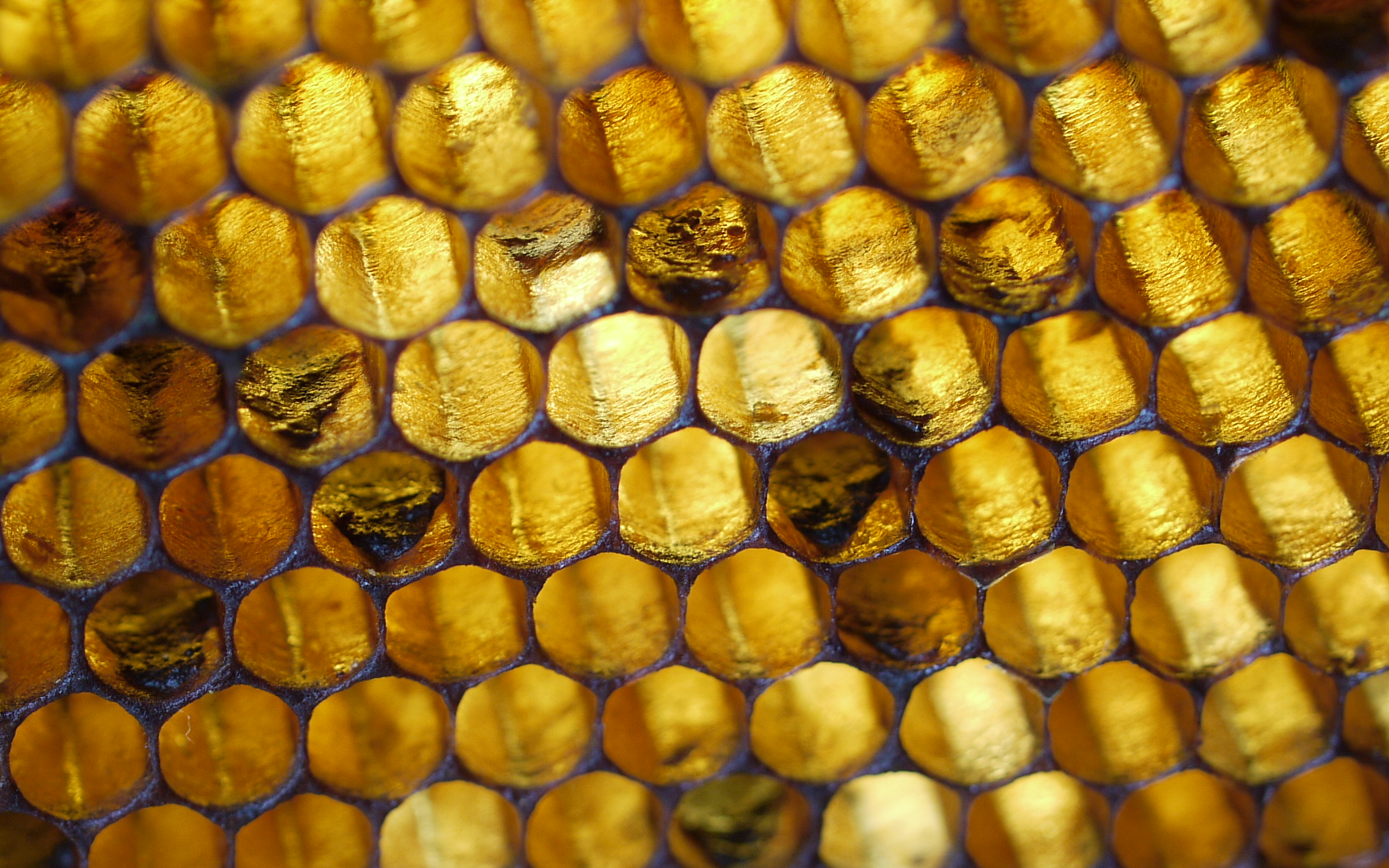
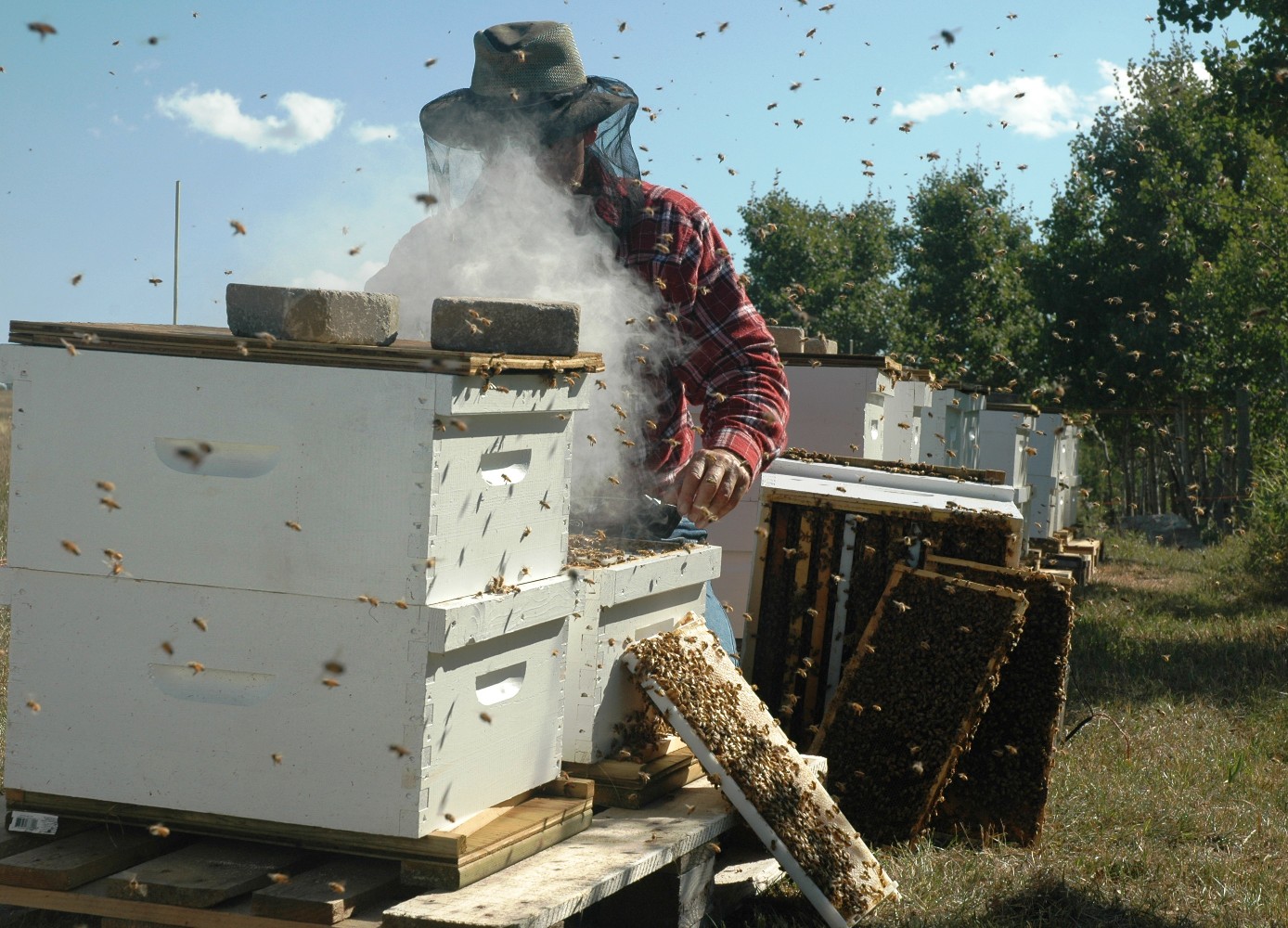
Many swarms arrive with honey in their honey stomachs, but they can use that reserve quickly, especially if they have been hanging for a day or two, the weather turns poor, or they are put onto foundation and must draw comb from scratch.
For most UK spring and early summer swarms, 1:1 syrup can be useful once the bees are housed and settled. This is made with equal weights of white granulated sugar and water. It encourages wax production and helps the colony establish.
Use 2:1 syrup later in the season when the aim is to build winter stores, not stimulate comb building.
Sensible feeding guidelines
- If the swarm has clean drawn comb and good stores, do not feed automatically.
- If the bees are on foundation, a steady feed of 1:1 syrup often helps them draw comb.
- Feed in small amounts so syrup is not left standing for long periods.
- Use an internal feeder where possible to reduce robbing.
- Keep the entrance reduced while feeding.
- Do not spill syrup around the hive or apiary.
Some beekeepers delay feeding for a short period to encourage the bees to use the honey they brought with them. Others feed immediately if the swarm is light, the weather is poor or the bees are on foundation. The right choice depends on conditions. Do not let a new swarm starve for the sake of a rule of thumb.
Fondant can be useful in cool weather when syrup is less attractive to bees.
When to inspect a newly housed swarm
A new swarm needs time to settle. Too much interference can cause absconding, especially in the first day or two. At the same time, you need to check that the colony is queenright and healthy.
Suggested inspection timetable
| Timing | What to do | What to check |
|---|---|---|
| Day 0 | House the swarm | Secure box, ventilation, reduced entrance, photos and records |
| Day 1 | External check only | Bees orientating, feeder secure, no overheating or robbing |
| Day 3 | Quick check if needed | Bees occupying frames, syrup taken, comb being drawn |
| Day 5–7 | First proper inspection for a likely prime swarm | Eggs, young larvae, queen if seen, stores, temperament, disease signs |
| Day 10–14 | Follow-up inspection | Brood pattern, queen status, queen cells, colony growth |
| Day 21 onwards | Reassess if no eggs yet | Possible cast swarm with virgin queen, failed mating or queenlessness |
If it was a large primary swarm with a mated queen, eggs may be visible within a week. If it was a cast with a virgin queen, you may not see eggs for two or three weeks, especially if the weather delays mating flights.
Avoid repeated searching for the queen. Eggs are usually better evidence than a long, disruptive hunt.
What to look for at the first inspection
Work steadily and keep the brood nest open for as little time as possible. You are trying to answer a few practical questions.
Queen status
Look for:
- Eggs standing upright in cells.
- Young larvae in worker cells.
- A visible queen, if she is easy to find.
- Queen cells or emergency cells.
Eggs are the most useful sign. If you see eggs and young larvae, the colony is queenright, even if you do not see the queen.
If there are no eggs after a week, do not assume failure straight away. It may be a cast swarm with a virgin queen. Check again in another week, weather permitting.
Comb and brood
New comb is fragile. Handle it gently and keep frames vertical. Fresh comb can break if turned flat or shaken.
Look for:
- Comb being drawn in the centre of the box.
- A sensible brood nest forming.
- Larvae that look pearly white and healthy.
- Any sunken, perforated or greasy-looking sealed brood if brood is present.
A newly established brood pattern may be uneven at first. Do not judge a queen too harshly from the first small patch of brood.
Food and pollen
Check whether the colony has nectar or syrup stored and whether pollen is coming in. Pollen is essential for brood rearing. If there is little forage, poor weather or no pollen coming in, the colony may need support.
Temperament
Most swarms are manageable, but temperament should still be recorded. A swarm that remains very defensive after settling may need requeening later, particularly if it is in a garden or near neighbours.
Disease signs
Be alert for brood disease once brood is present. If you suspect American foulbrood or European foulbrood, stop manipulating the colony, do not move or sell bees, and contact your local bee inspector through the National Bee Unit or BeeBase.
Queen marking, clipping and requeening
There is no need to mark the queen on the day of capture. A newly housed swarm can be unsettled, and the queen may be quick or difficult to handle. Wait until the colony is established and you have confirmed she is laying.
Queen marking is useful because it makes later inspections quicker and helps you confirm whether the queen has been superseded. Use the correct colour for the year if you follow the international marking system.
Queen clipping is a personal management choice. Some beekeepers use it as part of swarm control; others prefer not to. If you clip queens, do it carefully and only when you are confident in your handling.
Consider requeening if:
- The colony is persistently aggressive.
- The queen lays poorly after the colony has had time to establish.
- You do not want to keep unknown genetics.
- The swarm is queenless and too valuable to merge.
Introduce a purchased mated queen only after confirming the colony is queenless and removing unwanted queen cells. Use a proper introduction cage and follow the supplier’s instructions. Do not introduce a queen into a colony that already has a queen, including a virgin queen, unless you have dealt with that first.
Varroa management for a swarm
A swarm may have a lower Varroa burden than the parent colony because it leaves without sealed brood, where many mites reproduce. However, it is not mite-free.
A broodless swarm presents a useful opportunity for Varroa control because mites are on adult bees rather than hidden under cappings. Some beekeepers treat newly housed swarms with an authorised oxalic acid product while the colony is broodless. If you do this, use only approved veterinary medicines, follow the label exactly, observe safety requirements and record the treatment.
If you choose not to treat immediately, monitor later using a suitable method such as natural mite drop, alcohol wash where appropriate, or sugar roll. Plan Varroa management before late summer, not after the colony is already weakened.
Keep treatment records, including:
- Product name.
- Date used.
- Dose or method.
- Batch number, where required.
- Withdrawal period or honey-super restrictions.
- Result of monitoring before and after treatment.
Disease and quarantine
A swarm’s origin is often unknown. Treat it with sensible caution until you have inspected it properly.
Good practice includes:
- Housing it on clean equipment.
- Keeping it separate from weak colonies if possible.
- Not swapping frames from the swarm into other colonies until you are confident it is healthy.
- Checking brood carefully once brood is present.
- Cleaning tools and gloves if disease is suspected.
American foulbrood and European foulbrood are notifiable in the UK. If you see suspicious brood, contact the National Bee Unit or your local bee inspector. Do not try to “fix” suspected foulbrood yourself.
Combining, selling or rehoming a swarm
If the swarm is small, late in the season, queenless or not worth keeping as a separate colony, combining may be the best option.
Only combine colonies that appear healthy. If there is any disease concern, keep them separate and seek advice.
Newspaper method for combining
- Make sure one colony is queenright, unless you have a clear requeening plan.
- Place a sheet of newspaper between the two boxes.
- Make a few small slits in the paper.
- Put the weaker unit above the stronger colony.
- Check after a few days that the bees have united calmly.
- Remove paper debris and tidy the brood nest at the next inspection.
If selling or giving away a swarm, provide honest information:
- Capture date and location.
- Queen status.
- Whether the queen is marked.
- Inspection findings.
- Feeding given.
- Temperament.
- Any Varroa treatment or disease concerns.
- Equipment included.
Many local beekeeping associations help rehome swarms responsibly and can support beginners who receive them.
Record-keeping for a newly caught swarm

Good records make swarm management much easier. A swarm can look promising on the day of capture, but the useful decisions come later: whether it built up well, when the queen started laying, whether it needed feeding, and how it behaved over the season.
Record the following in Bee Hive Tracker or your usual hive record system:
- Hive or nuc ID.
- Capture date and time.
- Housing date and apiary location.
- Source location and contact details, if appropriate.
- Swarm size estimate: small, medium or large.
- Photos of the cluster and initial setup.
- Equipment used: nuc, brood box, foundation, drawn comb.
- Feeding: type, quantity and dates.
- Queen status: queen seen, eggs seen, queen marked.
- Frames of brood, stores and drawn comb at each inspection.
- Temperament.
- Disease observations.
- Varroa monitoring and treatments.
- Next inspection date and planned action.
Photos are especially useful. A quick picture of the swarm, entrance activity, comb progress or suspect brood gives you a reference point later. Keeping those images against the hive ID in Bee Hive Tracker helps avoid guesswork when managing several colonies.
Common problems after catching a swarm
The bees leave the hive
This is absconding. It is more likely if the box is unsuitable, too hot, too exposed, contaminated, repeatedly disturbed or lacks comb. Reduce the risk by using clean equipment, giving drawn comb if available, leaving the bees to settle and avoiding unnecessary inspections.
No eggs after a week
It may be a cast swarm with a virgin queen. Wait and inspect again in another week. If there are still no eggs after three weeks, consider introducing a mated queen or combining with another colony.
The colony is starving
If the bees are tightly clustered, listless or have no stores, feed immediately. Use 1:1 syrup in suitable weather or fondant if it is cool. Check that the feeder is accessible to the cluster.
Robbing starts
Reduce the entrance, remove spilled syrup, avoid opening the hive for long, and feed internally. Robbing can destroy a small swarm quickly.
The swarm is very small
A tiny swarm may struggle to build up alone. Put it in a nuc, keep it warm and well fed, and consider combining it if it does not develop.
The swarm is aggressive
Give it time to settle, but record behaviour. If it remains defensive over several inspections, requeening is often the best long-term solution.
Disease is suspected
Stop. Close the hive, avoid spreading material, and contact your local bee inspector or the National Bee Unit. Do not move, sell or combine the colony until you have advice.
Seasonal considerations in the UK
March and April swarms
Early swarms are vulnerable to cold weather and forage gaps. Use a snug nuc or insulated setup, provide drawn comb if possible, and monitor food carefully.
May and June swarms
These are often the easiest to establish. There is usually forage, warmer weather and enough season left for the colony to build. Feed if needed, especially on foundation.
July swarms
A July swarm can still build well in a good season, but it has less time. Watch stores and Varroa closely.
August and later swarms
Late swarms are risky as standalone colonies. They may need heavy support, drawn comb, feeding and possibly combining with a stronger colony before winter. Assess them honestly rather than trying to overwinter a colony that is too small.
When to ask for help
Ask an experienced beekeeper, your local association or a bee inspector if:
- The swarm is in a chimney, wall, roof or other difficult cavity.
- Collection would involve unsafe ladder work.
- The bees are unusually aggressive.
- You cannot confirm queen status after several inspections.
- You suspect foulbrood or another serious disease.
- You are unsure whether to unite, requeen or feed.
Good swarm management is practical, not heroic. If the job is unsafe or beyond your experience, get help.
Final practical advice
A newly caught swarm does not need constant attention. It needs a clean home, enough space, suitable feed when required, a reduced entrance, careful disease awareness and well-timed inspections.
Leave the bees alone for the first day, check them properly once they have settled, and be patient if the swarm may contain a virgin queen. Keep accurate records from the moment of capture. Those notes will guide your feeding, queen decisions, Varroa planning and winter preparation.
Most swarms that are collected safely and managed calmly will establish well. The key is not doing everything at once; it is doing the right things at the right time.
Sources Used
- https://www.gov.uk/guidance/bee-disease-control-and-reporting
- https://www.bbka.org.uk/
- https://www.gov.uk/government/organisations/animal-and-plant-health-agency
- Local county beekeepers association pages and typical mentoring resources