How to Check Bees Without Opening the Hive in Winter
You can learn a great deal about a winter colony without opening the hive. Careful external checks can tell you whether the colony is probably alive, how quickly it is using stores, whether the entrance is clear, whether mice or wasps are a risk, and whether there are warning signs that need prompt action.
The aim in winter is simple: disturb the bees as little as possible, act only when there is a clear reason, and keep good records so you can spot changes before they become emergencies.
Why avoid opening a hive in winter?
A winter colony survives by forming a cluster and conserving heat. Opening the hive in cold, wet or windy weather can chill bees, break propolis seals, increase condensation problems and force the colony to use more energy at the worst time of year.
As a rule, avoid opening the brood box in winter unless there is a genuine need, such as suspected starvation, serious pest damage, a planned authorised treatment, or instructions from a Bee Inspector.
Do not open the hive when:
- The weather is cold, wet or windy
- Bees are tightly clustered and unlikely to fly
- You are only curious and have no planned action
- You suspect notifiable disease and have not yet spoken to the National Bee Unit or your local Bee Inspector
- The job can be done by observation, weighing or feeding above the crownboard instead
Briefly lifting a roof to check fondant or replace feed above a crownboard is not the same as opening the brood nest, but even that should be done quickly and only when necessary.
What you can check without opening the hive
External winter checks can help you assess:
- Whether the colony is likely to be alive
- Whether the entrance is clear and protected
- How quickly stores are being used
- Whether the colony may need fondant
- Whether the cluster is near the top of the hive
- Whether mice, wasps, robbing or damp are causing problems
- Whether there are unusual dead bees or staining outside the hive
- Whether your next action should be to leave alone, feed, monitor closely or seek advice
They cannot reliably tell you queen status, brood pattern, exact disease status, precise Varroa levels or the detailed condition of combs. Those checks need an inspection at the right time of year, or advice from an inspector if disease is suspected.
Useful tools for winter hive checks
You do not need expensive equipment, but a few simple tools make non-invasive checks more reliable.
Useful items include:
- A notebook or Bee Hive Tracker record for dates, weather, weights, feed and observations
- Luggage scales, spring scales or hive scales for weighing
- A torch or head torch for checking entrances
- A phone camera for entrance photos and comparison over time
- A stethoscope or listening tube, if you use one gently
- A thermal camera or smartphone thermal attachment, if available
- Spare fondant for light colonies
- Mouse guards, entrance reducers and wasp guards as needed
The most valuable tool is the record. A single weight or observation may be hard to interpret, but a series of notes over several weeks usually tells a clear story.
Best conditions for external winter checks
Choose calm, dry weather where possible. For entrance activity, bees are more likely to fly on mild, bright days, often around 10°C or above, though sheltered colonies may make cleansing flights at lower temperatures in sunshine.
For thermal imaging, colder still days can be useful because the warm cluster may show more clearly against the cold surroundings.
Avoid repeated disturbance. A quick check every couple of weeks is usually enough in midwinter unless you are monitoring a light colony, storm damage, mouse activity or suspected starvation.
Step-by-step winter check without opening the hive
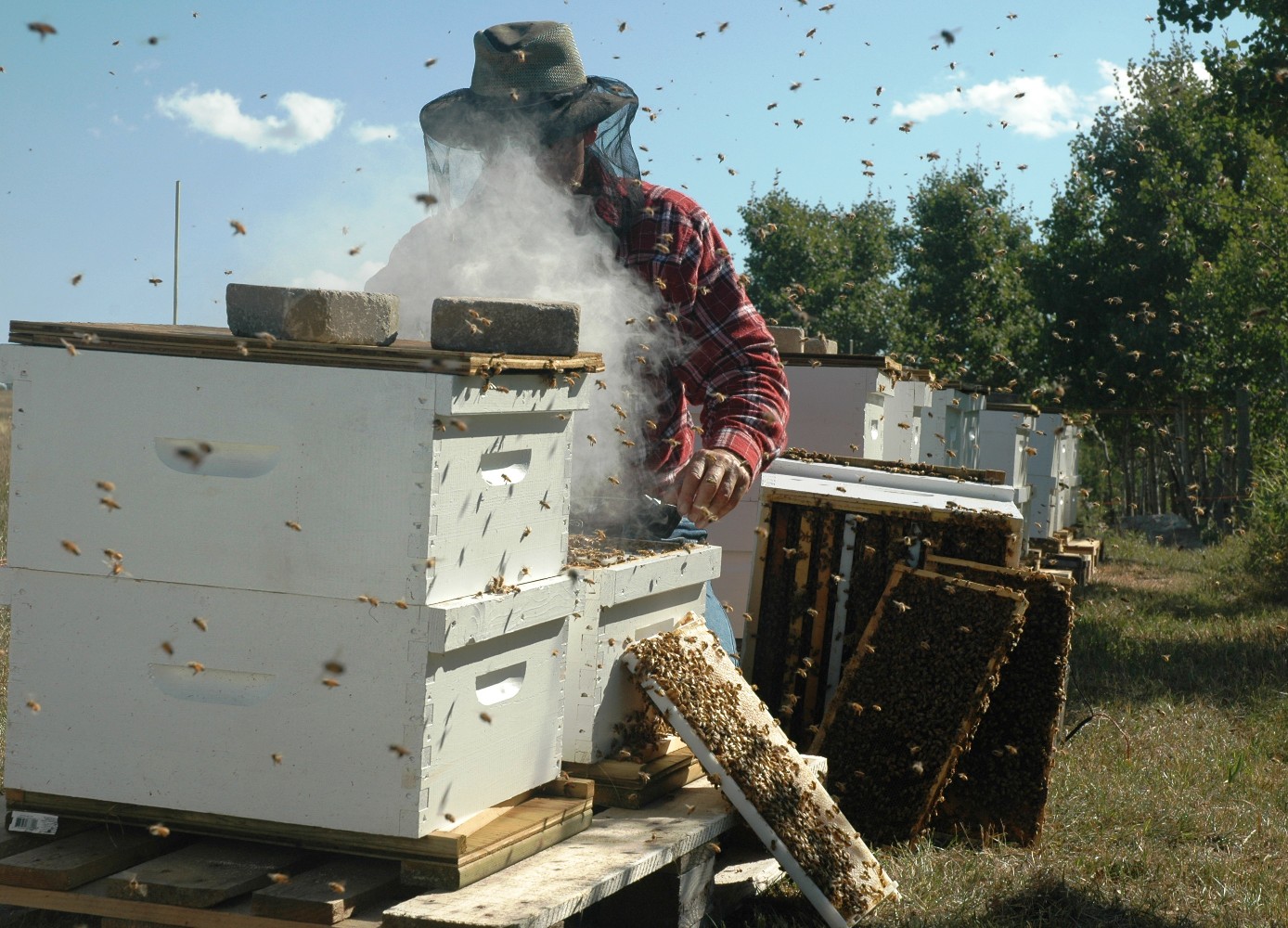
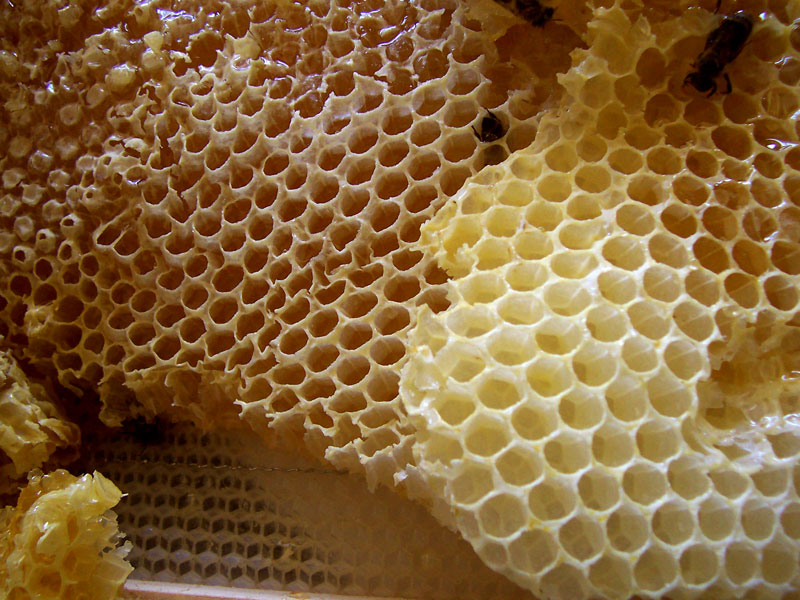
1. Start with the weather and the apiary
Before touching the hive, note the conditions:
- Air temperature
- Wind
- Rain or damp
- Sunshine
- Snow or ice
- Recent storms
Then look around the apiary. Check for displaced roofs, leaning stands, water pooling, livestock damage, woodpecker damage, fallen branches or signs of disturbance.
If snow is present, do not panic. Snow on the roof can insulate the hive. Clear the entrance only if wet snow, ice or dead bees are blocking ventilation and bee movement.
2. Watch the entrance from a distance
Stand two or three metres away and watch quietly for a few minutes.
On a mild day, healthy signs may include:
- Occasional cleansing flights
- Bees leaving and returning steadily
- Bees removing dead workers
- A few bees orientating near the entrance
- Pollen being brought in during late winter or early spring
Pollen in February or March often suggests brood rearing is increasing, although it is not proof that all is well inside.
Possible warning signs include:
- No activity at all on a day when neighbouring colonies are flying strongly
- Many dead or dying bees outside the entrance
- Bees crawling, trembling or unable to fly
- Fighting at the entrance
- Wasps entering and leaving freely
- Heavy faecal staining on the hive front or landing board
Do not draw conclusions from one quiet day. Some colonies fly less than others, and a sheltered or shaded position makes a difference. Compare with your own records and nearby colonies in similar conditions.
3. Check the entrance is clear
A blocked entrance can trap moisture, restrict airflow and prevent bees from clearing dead workers.
Look for:
- Dead bees packed across the entrance
- Wax crumbs or chewed comb
- Mouse droppings
- Damp debris
- Wasps or robbing bees
- Loose or poorly fitted mouse guards
Use a twig or hive tool to gently clear the entrance if it is blocked, taking care not to push debris further inside. Make sure the mouse guard is secure and not clogged with dead bees.
If you hear rustling, see chewed material, or find droppings, suspect mice. A mouse inside a winter hive can do serious damage. If the colony is alive, removal may require a quick, careful intervention in suitable weather or help from an experienced beekeeper.
4. Heft or weigh the hive
Weighing is one of the best winter checks because starvation is a major avoidable cause of colony loss.
There are two practical methods.
Hefting
Stand behind the hive and gently lift one side or the back by a small amount. You are not trying to move the hive, only to judge resistance. Compare it with previous checks and with other hives in the apiary.
Hefting takes practice. If possible, learn the feel of a heavy hive, a medium hive and a dangerously light hive before winter.
Weighing with scales
More consistent options include:
- Permanent hive scales
- Luggage scales attached to a strap
- Spring scales used from each side of the hive
If weighing from one side, record the method clearly and use the same method each time. Trends matter more than a single reading.
Avoid relying on a universal “safe weight”. Total hive weight varies with hive type, timber thickness, floors, roofs, feeders, brood box size and the amount of equipment left on. A National hive, a Commercial hive and a poly hive will all feel and weigh differently.
What matters is whether the colony is becoming light for its setup and how fast weight is falling. If a hive is noticeably light in midwinter or early spring, feed fondant promptly rather than waiting for a warm inspection day.
Record each weight or hefting judgement in Bee Hive Tracker so you can compare changes over time.
5. Listen carefully
Listening can help confirm whether a colony is alive, but it is not foolproof.
Place your ear gently against the side of the brood box, or use a stethoscope. Avoid banging or repeatedly tapping the hive. If you do give a very light tap, listen for a brief rise in sound that settles quickly.
Common interpretations:
- A quiet, steady hum usually suggests a live clustered colony
- A brief buzz after gentle disturbance can suggest the bees are responsive
- A loud, unsettled roar may indicate stress, queenlessness, disturbance or poor conditions, but it is not diagnostic
- No sound may mean a dead colony, but it can also mean the cluster is small, deep, well insulated or inactive
Always combine listening with weight, entrance signs and, if available, thermal imaging.
6. Use thermal imaging if available
A thermal camera can help locate the winter cluster without opening the hive. It is particularly useful on cold, still days when the contrast between the warm cluster and the hive body is clearer.
Thermal imaging may show:
- A warm patch near the centre or upper part of the brood box
- A cluster moving upwards as stores are consumed
- A small warm area in a weak colony
- No obvious heat signature in a dead colony
Be careful with interpretation. Thick timber, poly hives, insulation, metal roofs and crownboards can all affect the image. A thermal camera can show heat, but it cannot prove colony strength, queen status or stores.
If the warm patch is high in the hive and the colony feels light, place fondant above the cluster area if your hive setup allows it.
7. Check above the crownboard only if needed
If your hive has a crownboard and space for fondant above it, you may be able to check or replace feed without exposing the brood nest.
Do this only if conditions are reasonable and you have everything ready:
- Lift the roof carefully
- Keep the crownboard in place
- Check fondant quickly
- Replace or add feed if needed
- Close the hive promptly
Look for obvious issues such as a leaking roof, soaked insulation, excessive water pooling above the crownboard or mouldy feed. Some condensation is normal in winter; dripping water onto bees is the problem.
Good winter moisture management depends on hive type and setup. In many UK hives, sound roofing and insulation above the crownboard are more useful than creating draughts. Avoid over-ventilating the colony, but make sure the entrance is not blocked.
How to interpret common winter observations
The hive is heavy, there is a steady hum and occasional flying
This is usually reassuring. Record the check and leave the colony alone. Continue routine monitoring.
The hive is light but bees are alive
Feed fondant. Do not wait for a full inspection if starvation is likely. Place fondant where bees can reach it, usually above the crownboard feed hole or directly over the cluster area if your equipment allows.
Record the amount and date fed.
The cluster appears high in the hive
A cluster near the top can be normal later in winter, but it may also mean stores above the bees are running out. Combine this sign with weight. If the hive is light or weight has fallen sharply, feed fondant.
There are many dead bees outside
Some dead bees are normal in winter, especially after a cold spell when workers resume clearing the hive.
Be concerned if there are sudden large piles of dead bees, crawling bees, trembling bees, bees with extended tongues, or similar signs across several colonies. Photograph what you see, record the weather and contact your local association, the National Bee Unit or relevant reporting scheme for advice.
There is faecal staining on the hive front
A few spots after confinement can occur. Heavy staining around the entrance or down the hive front may indicate stress, poor-quality stores, prolonged confinement or disease. Record it, photograph it and monitor closely. If the colony weakens or staining is severe, seek experienced advice.
The entrance shows fighting or wasp activity
On mild winter days, wasps and robbing bees may exploit weak colonies.
Actions include:
- Reduce the entrance
- Fit or adjust a wasp guard
- Remove any external feed
- Avoid spilling syrup or honey near the apiary
- Check neighbouring colonies for weakness
Do not leave fondant exposed outside the hive.
There is no sound, no heat and no activity
The colony may be dead, but confirm carefully. Compare with other hives, check weight, look for entrance debris and use thermal imaging if possible.
If you suspect the colony has died, do not move frames, comb or boxes to other colonies. Close the entrance to prevent robbing and seek advice if there are unusual smells, large numbers of dead bees or any concern about disease.
Feeding bees in winter without opening the brood nest
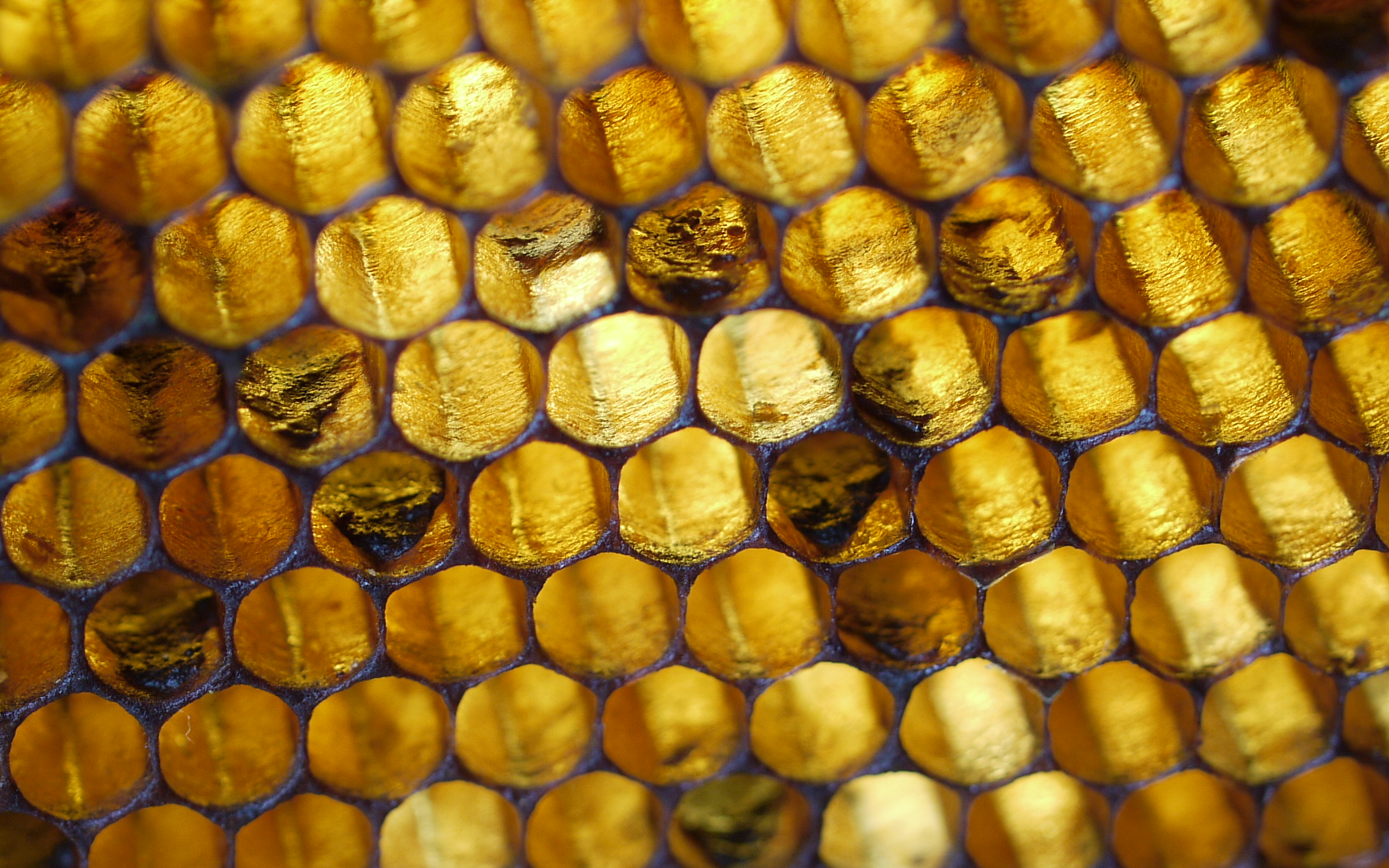
Fondant is the standard emergency winter feed because bees can take it without having to evaporate large amounts of water.
Use fondant when:
- The hive is light
- Weight is falling quickly
- Bees are clustered near the top
- Previous records show stores were marginal going into winter
- Early spring brood rearing has increased consumption
Practical tips:
- Place fondant above the crownboard feed hole if bees can access it
- If safe and necessary, position it over the cluster area
- Keep disturbance short
- Do not use external feeders
- Avoid thin syrup in cold winter conditions
- Record the amount and date fed
Thick syrup may be used in autumn feeding, but midwinter emergency feeding is usually better done with fondant. Bees need warmth to process liquid feed, and syrup can chill the colony or increase moisture if used at the wrong time.
Varroa and winter checks
External checks do not tell you the current Varroa level. Use your treatment history, autumn mite monitoring and local guidance.
Many UK beekeepers use an authorised oxalic acid-based treatment during a broodless or near-broodless period in winter, where appropriate. Follow the product label, use approved medicines, check current VMD and National Bee Unit guidance, and keep accurate treatment records.
Record in Bee Hive Tracker:
- Product used
- Date
- Dose
- Method
- Batch number, if required by your record system
- Weather and colony notes
- Follow-up observations
Good treatment records are important for colony management and for any later disease or residue enquiries.
Disease and when to seek help
American foulbrood and European foulbrood are notifiable diseases in the UK. They cannot be properly diagnosed from outside the hive, but unusual colony death, suspicious smells, abnormal brood signs seen during a permitted inspection, or unexplained losses should be taken seriously.
If you suspect notifiable disease:
- Do not move frames, comb, honey or equipment to another colony
- Close up the hive to prevent robbing if the colony is dead or very weak
- Photograph external signs
- Record the details
- Contact the National Bee Unit or your local Bee Inspector for advice
Do not rely on smell alone. Some dead colonies smell unpleasant for reasons unrelated to foulbrood, and foulbrood may not be obvious from outside. When in doubt, ask for help before opening or distributing equipment.
UK winter timing: what to look for
October to November
Colonies should be prepared for winter with adequate stores, healthy queens where possible, sound equipment, mouse guards and a Varroa plan already completed or scheduled.
External checks focus on:
- Storm security
- Mouse guards
- Stores by weight
- Robbing or wasps
- Feed still being taken if autumn feeding is ongoing
December to January
Colonies are usually tightly clustered, and brood may be minimal depending on weather, region and colony.
External checks focus on:
- Weight trend
- Entrance clearance
- Signs of life
- Damp or storm damage
- Planned authorised winter Varroa treatment, if appropriate
Avoid opening unless there is a clear need.
February to March
Brood rearing often increases, and stores can disappear quickly. This is a common danger period for starvation.
External checks focus on:
- Rapid weight loss
- Pollen returns
- Increased flight on mild days
- Fondant needs
- Preparing for first full inspections when weather allows
Do not assume a colony is safe because it survived January. Early spring hunger can kill colonies that looked fine in midwinter.
A simple winter hive check routine
Use the same order each time:
- Record the date, time and weather
- Check the apiary for storm, livestock or predator damage
- Watch the entrance for a few minutes
- Clear blocked entrances gently
- Check mouse guards and entrance reducers
- Heft or weigh the hive
- Listen for colony sound
- Use thermal imaging if available
- Check fondant above the crownboard if needed
- Record findings, photos, feed and next action
A short, consistent routine is better than a long, disruptive visit.
Using Bee Hive Tracker for winter records
Winter records are especially useful because they reduce the temptation to open the hive “just to check”.
For each visit, record:
- Weather and temperature
- Hive weight or hefting score
- Entrance activity
- Dead bees or staining
- Sound
- Thermal image, if used
- Feed added
- Pest signs
- Treatment details
- Next review date
Photos are valuable. A picture of the entrance, dead bees, faecal staining or a thermal image can be compared with later visits and shared with a mentor or inspector if you need advice.
The most important pattern is change: a hive that was heavy and becomes light, a colony that was quiet but now has wasp pressure, or a warm cluster that has moved rapidly upwards. Bee Hive Tracker helps keep those changes visible.
When you should open despite winter caution
Sometimes opening is the lesser risk. Consider a careful intervention, preferably on the mildest suitable day, when:
- The colony is clearly starving and fondant cannot be placed otherwise
- A mouse is likely inside and damaging the colony
- Equipment has failed and bees are exposed to rain or wind
- A planned authorised treatment requires access
- A Bee Inspector advises inspection
- A dead-out must be assessed safely after disease advice
Have everything ready before you start. Keep the job short, avoid removing frames unless essential, and close the colony promptly.
Quick checklist for checking bees without opening
- Is the weather calm enough for a quick external check?
- Is the roof secure and the hive upright?
- Is the entrance clear?
- Are bees flying, cleansing or bringing pollen?
- Are there unusual dead bees, crawling bees or staining?
- Is the mouse guard secure?
- Are wasps or robbing bees present?
- Does the hive feel heavy, moderate or light?
- Is there a steady sound inside?
- Does thermal imaging show a cluster?
- Is fondant needed?
- Have you recorded the check and next action?
Final advice
Winter beekeeping is about restraint, observation and timely action. Most visits should be short and external: watch the entrance, check the weight, listen, clear obstructions, confirm guards are in place and feed fondant when records show stores are low.
Do not open a hive in winter unless there is a clear purpose. When something looks wrong, record it, photograph it and ask for local advice before making the problem worse.
Good external checks, sensible feeding and accurate records will bring more colonies through to spring with fewer surprises.
Sources Used
- https://www.gov.uk/government/collections/bees-and-beekeeping (National Bee Unit / APHA guidance)
- https://www.bbka.org.uk (British Beekeepers Association)
- https://www.gov.uk/government/organisations/veterinary-medicines-directorate (VMD — medicines and treatment guidance)
- https://www.nationalbeeunit.com (National Bee Unit resources)