How to Check for Eggs After a Swarm
After a swarm, do not rush to declare the colony queenless. In a newly hived swarm, inspect gently after about 4–7 days if the weather is suitable. If you find eggs or very young larvae, the queen has been laying recently. If you find no eggs, re-check around day 10–14 before taking action, and allow longer if you suspect the swarm contains a virgin queen.
The aim is simple: confirm whether the colony has a viable queen and decide whether to leave it alone, give it more time, requeen, combine, or seek help. Good notes matter here. Record the date of capture, what you saw, and when you will check again. A record-keeping tool such as Bee Hive Tracker is useful because it keeps photos, inspection notes and follow-up dates together.
Are you checking the swarm or the colony it left behind?
The timing depends on which bees you are inspecting.
A captured primary swarm usually contains the old, mated queen. She may begin laying again quickly, provided the bees have drawn comb or you have given them drawn brood frames.
A cast or after-swarm often contains a virgin queen. She will not lay until she has matured, mated successfully and settled. In poor weather this can take two to three weeks, occasionally longer.
The parent colony that has swarmed is different again. It may have sealed queen cells and no laying queen. Eggs may not appear until the new queen has emerged, mated and started laying. Repeated interference during this period can damage queen cells or disturb mating, so inspect with care and avoid unnecessary manipulation.
Why eggs matter
Eggs are the clearest routine sign that a queen, or occasionally laying workers, has been active recently.
Typical honey bee development timings are:
- Worker egg stage: about 3 days
- Worker larval stage: about days 4–8 or 9
- Worker brood sealed: around day 8 or 9
- Worker emergence: around day 21
- Queen emergence: around day 16 from the egg
- Drone emergence: around day 24 from the egg
Practical meaning:
- A single egg at the bottom centre of a worker cell usually means the queen laid within the last three days.
- Very young larvae mean laying took place within roughly the last week.
- Sealed worker brood means a queen was laying at least about nine days earlier.
- No eggs does not automatically mean queenless, especially after a cast swarm or in poor mating weather.
When to inspect after capturing a swarm
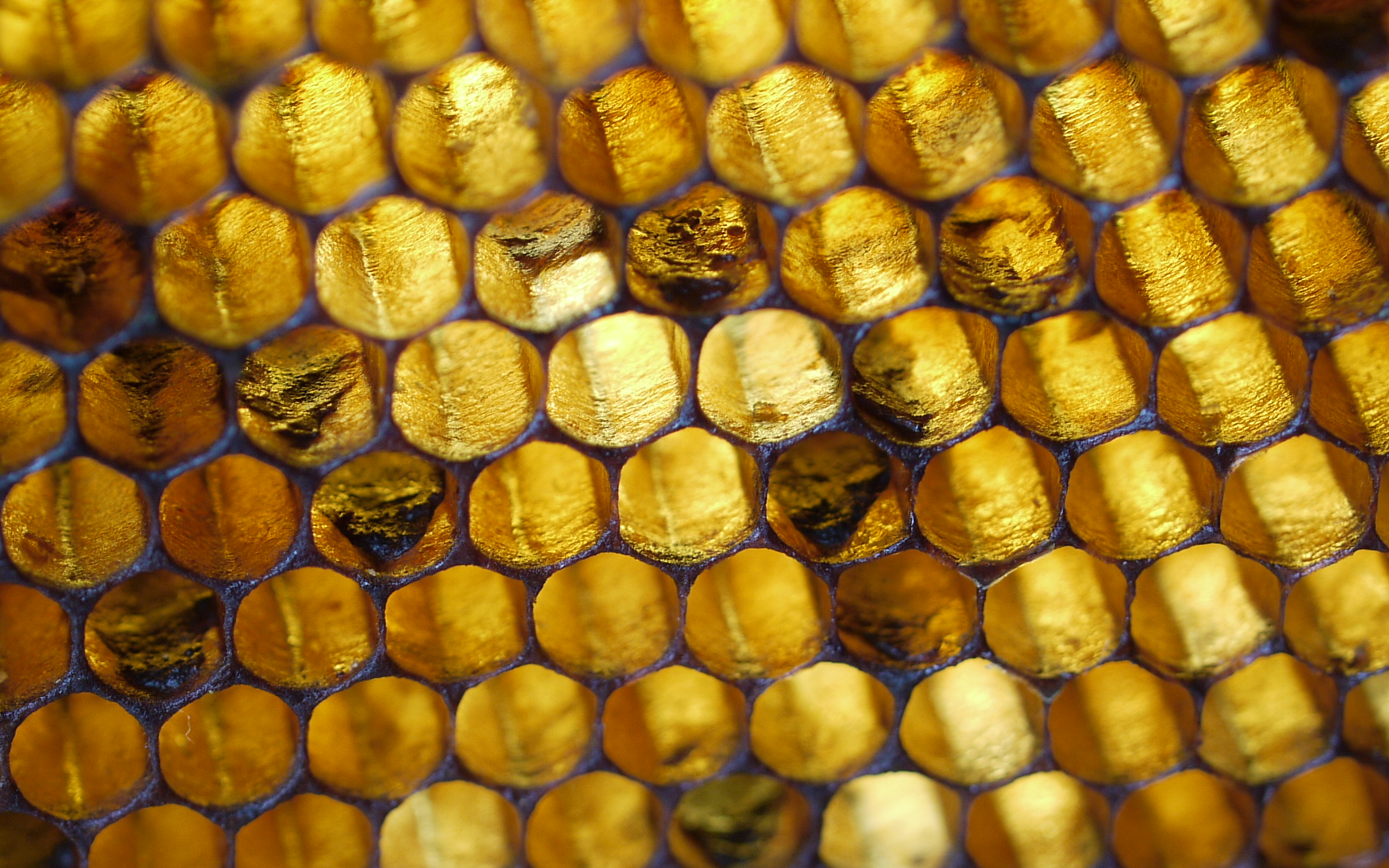
Use the timetable below as a guide, then adjust for weather, colony size and whether you think the queen is mated or virgin.
Day 0: hive the swarm
House the swarm in a suitable nucleus or full hive. If possible, give it drawn comb. A swarm on foundation alone must draw comb before the queen can lay properly.
Record:
- Date and time collected
- Location
- Size of swarm
- Hive or nuc ID
- Whether you saw the queen
- What equipment and frames were used
Leave the bees to settle unless there is an urgent problem.
Day 4–7: first gentle check
This is often the best first inspection window for a primary swarm with a mated queen, especially in May or June when conditions are good.
Look for:
- Drawn comb
- Eggs
- Young larvae
- Queen seen or not seen
- Stores
- Temperament
- Any queen cells if brood frames were added
If the swarm is on foundation and has only just started drawing comb, the absence of eggs is less meaningful.
Day 10–14: second check if needed
If the first check was inconclusive, inspect again around day 10–14. By now, a primary swarm with a mated queen and usable comb would normally show eggs or larvae in reasonable weather.
If there are still no eggs:
- Consider whether the swarm may have contained a virgin queen.
- Check whether there is enough drawn comb and food.
- Look for signs of queenlessness, such as a nervous roar, dwindling population, no brood of any kind, or laying worker signs.
- Decide whether to wait, use a test frame, requeen, or combine.
After-swarms and virgin queens
If the swarm was small, restless, or came after the first swarm from the same colony, it may be a cast with a virgin queen. In that case, allow more time. A virgin queen needs suitable weather for mating flights, and UK spring or summer weather can delay laying.
A cautious plan is:
- Inspect briefly at day 7–10 to ensure the colony has food and space.
- Avoid heavy disturbance.
- Check again around day 18–24 for eggs.
- If no eggs by three weeks and the weather has been reasonable, consider a test frame or remedial action.
Best conditions for checking for eggs
Choose a warm, calm part of the day with flying bees and decent light. In the UK, avoid opening small colonies for long periods in cold, wet or windy weather. As a practical rule, brood inspections are best when it is comfortably above about 14–15°C, although local conditions and shelter matter.
Use:
- Clean hive tool
- Smoker, used lightly
- Bee suit and veil
- Good torch or head torch
- Reading glasses, loupe or magnifier if needed
- Phone or camera for frame photos
- Spare frames or feeder if required
Eggs are hard to see. Strong angled light makes a big difference.
Step-by-step inspection method
1. Open the hive gently
Use as little smoke as you can. A couple of light puffs at the entrance and under the crownboard is usually enough. Too much smoke can drive bees off the comb and make eggs harder to see.
Work calmly and keep the brood area open for as short a time as possible.
2. Find the cluster and the newest comb
In a newly hived swarm, the queen is most likely to lay where the bees are clustered and where comb has been drawn cleanly.
If you gave drawn comb, inspect those frames first. If the colony is on foundation, find the freshest drawn comb in the warm centre of the cluster.
3. Hold the frame correctly
Keep the frame over the hive so the queen is not dropped on the ground.
Hold the comb at a slight angle and let sunlight or torchlight shine across the cell bottoms. Eggs often show as tiny white pins or grains of rice standing upright in the bottom of the cell.
4. Look for the pattern, not just one cell
A good early laying pattern may still be small, but it should make sense. You are looking for:
- Single eggs in the centre of cells
- Eggs in a concentrated patch
- Young larvae close to eggs
- Polished cells prepared for laying
- Bees calm and covering the brood area
Be cautious if you see:
- Several eggs per cell across many cells
- Eggs stuck to cell walls rather than placed at the bottom
- Eggs scattered randomly with no pattern
- Drone brood appearing in worker cells
- A dwindling, agitated colony
These can indicate laying workers, although a newly mated queen can occasionally lay more than one egg per cell for a short period. Re-check and seek experienced advice before making drastic changes.
What you may find and what it means
Eggs present
This is the best result.
Likely meaning:
- A laying queen is present and has laid within the last three days.
- The colony is queenright, although the brood pattern still needs checking later.
What to do:
- Close the hive and leave it alone.
- Record “eggs present” and the number of frames involved.
- Note whether you saw the queen.
- Re-check in 2–3 weeks to assess brood pattern and colony build-up.
- Feed only if stores are low or there is little forage.
Do not requeen or combine a colony that has normal worker eggs.
Young larvae present, but no eggs seen
Likely meaning:
- The queen was laying within the last week.
- You may simply have missed the eggs.
What to do:
- Treat the colony as likely queenright.
- Record larvae present and their approximate age.
- Re-check in 7–14 days if you want confirmation.
- Avoid repeated intrusive inspections.
No eggs, but queen cells present
This situation needs care. Queen cells may be present if you are inspecting the parent colony after swarming, if brood frames were added, or if the colony is trying to replace a queen.
Likely meaning:
- A new queen may be developing or about to emerge.
- The colony may be in a normal post-swarm queen-rearing phase.
- The colony may be queenless but still has the means to raise a queen.
What to do:
- Record the number, position and state of queen cells: charged, open, sealed, emerged or torn down.
- Do not shake or damage frames with queen cells.
- Avoid cutting out queen cells unless you have a clear swarm-control reason and understand the consequences.
- Re-check after 7–10 days if needed, but do not keep disturbing the colony during queen emergence and mating.
- Allow up to three weeks from queen emergence for a mated queen to start laying, depending on weather.
No eggs, no larvae, no queen cells
Likely meaning:
- The queen may be absent or lost.
- The queen may be a virgin not yet laying.
- The colony may lack drawn comb or food.
- The colony may be too small or stressed to build up.
What to do:
- If this is before day 10–14, wait and re-check.
- If the swarm may be a cast, allow longer before deciding it is hopeless.
- Check food and comb availability.
- Consider adding a test frame of eggs and very young larvae from a healthy colony, if you have one and disease risk is low.
- If the colony raises emergency queen cells on the test frame, it was probably queenless.
- If it does not raise cells, a queen may be present, possibly a virgin.
Only move brood frames between colonies you believe are healthy. Do not transfer comb if there is any suspicion of disease.
Sealed brood only, with no eggs or young larvae

In a newly captured swarm, sealed brood usually means brood was added on frames, or you are inspecting the original colony rather than the swarm itself.
Likely meaning:
- A queen was laying in that colony at least about nine days earlier.
- She may have gone with the swarm, died, or stopped laying.
- A virgin queen may be present but not yet laying.
What to do:
- Look carefully for queen cells.
- Record the age and extent of sealed brood.
- Re-check after expected emergence and allow time for any new queen to mate.
- Do not assume queenlessness too early.
Using a test frame
A test frame is one of the most useful ways to check queen status when you cannot find eggs after a swarm.
Use a frame containing eggs and very young larvae from a healthy, queenright colony. Shake or brush off the donor bees so you do not move the queen by accident. Place the frame into the suspect colony.
Check after 3–5 days:
- Emergency queen cells started on young larvae suggest the colony is queenless.
- No queen cells may mean a queen is present, often a virgin or newly mated queen not yet laying.
- If the colony is weak and does not cover the frame, the test may be unreliable.
Do not use a test frame if you suspect foulbrood or other serious disease in either colony. When in doubt, ask your local association mentor or bee inspector first.
Requeening or combining after a failed check
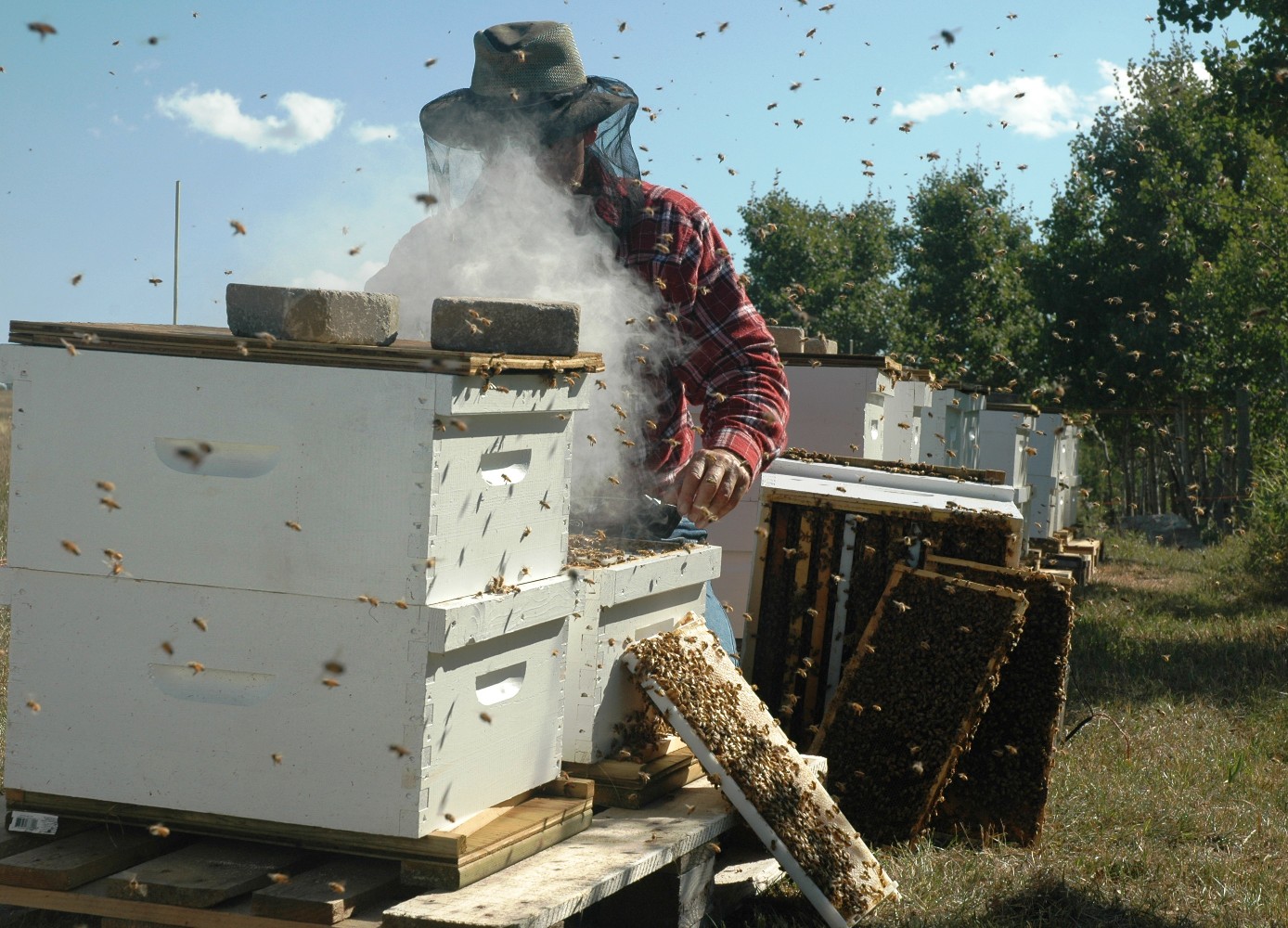
If repeated checks show no eggs, no queen cells, no sign of a queen and the colony is dwindling, you have two main options.
Requeen with a mated queen
This can work well if the colony is strong enough to support her.
Before introducing a queen:
- Confirm the colony is not already queenright.
- Remove any queen cells unless your introduction method says otherwise.
- Use a proper introduction cage or accepted method.
- Avoid releasing her too quickly.
- Record the queen source, date introduced and date accepted.
Combine with another colony
If the swarm is small, late in the season, or too weak to build up, combining may be better than trying to save it alone.
The usual method is the newspaper combine:
- Confirm which colony is queenright.
- Place the queenless colony above the queenright colony with a sheet of newspaper between them.
- Make a few small slits in the paper.
- Allow the bees to unite gradually.
- Check later that the queenright colony remains settled.
Combining is often the most practical choice in late summer when there may not be enough time for a weak swarm to raise or accept a queen and prepare for winter.
Disease and brood concerns
When checking for eggs, look at the brood as well. Do not ignore signs of disease.
Seek advice immediately if you see:
- Sunken, greasy or perforated cappings
- Ropy larval remains
- Unpleasant smell from brood
- Dead larvae twisted in cells
- Patchy brood with suspicious symptoms
- Scales stuck to the lower cell wall
- Unusual amounts of chalkbrood or neglected brood
In the UK, American foulbrood and European foulbrood are notifiable diseases. If you suspect either, do not move frames, bees, boxes or equipment to another apiary. Photograph what you see, close the hive, record the details and contact the National Bee Unit or your local bee inspector for guidance.
What to record after the inspection
Good records prevent poor decisions. Immediately after the inspection, note:
- Hive ID and apiary
- Date and time
- Weather conditions
- Days since swarm capture or swarm issue
- Whether the queen was seen
- Whether eggs were present
- Whether larvae or sealed brood were present
- Number of frames with brood
- Brood pattern: compact, patchy, drone-heavy or unclear
- Queen cells: number, position and whether open or sealed
- Stores and whether feed was given
- Temperament
- Any disease concerns
- Photos taken
- Next action and re-check date
Bee Hive Tracker can help keep these records searchable, especially if you manage several colonies or want to share inspection evidence with a mentor.
Quick decision guide
Use these findings to decide your next step.
Eggs present:
- Colony is likely queenright.
- Leave alone and re-check in 2–3 weeks.
Young larvae present, no eggs seen:
- Queen was laying recently.
- Record and re-check only if needed.
Queen cells present:
- New queen may be developing.
- Avoid damaging cells.
- Record details and allow time for emergence, mating and laying.
No eggs, no larvae, no queen cells before day 10:
- Too early to panic.
- Wait and re-check.
No eggs, no larvae, no queen cells after day 14 in good weather:
- Possible queenless colony.
- Consider test frame, requeening or combining.
No eggs after three weeks in a suspected cast swarm:
- Investigate carefully.
- Use a test frame or seek advice.
Multiple eggs per cell and scattered drone brood:
- Possible laying workers.
- Get experienced help before attempting a fix.
Suspicious brood symptoms:
- Stop moving frames.
- Photograph, record and contact the National Bee Unit or local bee inspector.
Final practical timetable
For a newly captured swarm:
- Day 0: Hive the swarm, provide suitable comb or foundation, record the capture.
- Day 2–3: Check only from the outside unless there is a problem.
- Day 4–7: Make the first gentle inspection for eggs, larvae, comb and stores.
- Day 10–14: Re-check if no eggs were found.
- Day 18–24: For suspected cast swarms, check again for eggs if the weather has allowed mating.
- After confirmation: Leave the colony to build and inspect routinely.
The key is patience with purpose. Look carefully, disturb the colony as little as possible, and make a clear record of what you found. Eggs are important, but timing, weather, swarm type and colony behaviour all matter when deciding what to do next.
Sources Used
- https://www.gov.uk/guidance/bees-and-beekeeping
- https://www.bbka.org.uk
- https://www.nationalbeeunit.com