How to Feed Bees in Autumn
Autumn feeding is one of the most important seasonal jobs in UK beekeeping. A colony that goes into winter short of food may starve before spring, even if it is otherwise healthy. The aim is simple: check each colony after the main honey harvest, top up winter stores before cold weather sets in, and keep clear records of what was fed and when.
In most UK apiaries, autumn feeding is done from late August through September and, where conditions allow, into October. Use thick syrup while bees are still warm and active enough to take liquid feed. Switch to fondant when the weather turns cold, wet or unpredictable.
When and why to feed bees in autumn
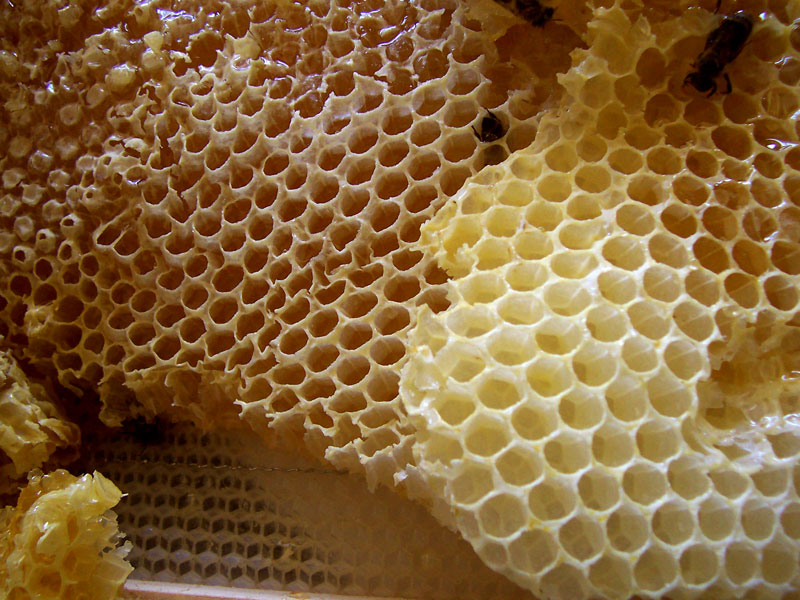
Bees need enough stored food to survive winter and support early brood rearing before spring forage becomes reliable. Autumn feeding tops up natural stores after nectar flows have ended and replaces honey removed during extraction.
Feed only after removing honey supers intended for human consumption. Do not feed syrup while saleable honey supers are on the hive, as bees can store sugar syrup in them.
In the UK, the main autumn feeding window is usually:
- Late August to September in many areas, especially after the main honey crop is removed
- September into early October where the weather remains mild and bees are still taking syrup
- Later autumn and winter only if needed, using fondant rather than liquid syrup
Earlier feeding is usually better than late feeding. Bees need warmth and time to take syrup down, process it and store it. If you wait until persistent cold weather arrives, colonies may ignore syrup and you will need to use fondant for emergency support.
Assessing whether a colony needs feeding
Do not feed automatically without checking. Some colonies finish the season heavy, especially where ivy, balsam or late heather provides a good flow. Others can be dangerously light after harvest or after a poor forage season.
Check stores by inspection
On a suitable warm day, inspect briefly and look for:
- Capped stores around and above the brood nest
- Frames of honey or syrup stores at the sides of the brood box
- A sensible balance between brood, bees and food
- Any signs of queen problems, disease or robbing
Avoid long inspections in cool autumn weather. The aim is to assess stores, not to dismantle the colony unnecessarily.
Heft or weigh the hive
Hefting is a quick way to judge whether a hive is light, especially if you do it regularly and know how your equipment feels when full. Lift one side of the hive slightly, then the other, and compare colonies in the same apiary.
For more accurate records, use a luggage scale, spring balance or hive scale to weigh one side or both sides. Be consistent in your method so the readings are useful over time.
Record the date, hive ID, estimated stores, weight or hefting note, brood condition and queen status. Bee Hive Tracker can be used to keep these feeding and weight records together, making it easier to spot which colonies or apiary sites regularly need extra autumn feed.
How much food does a colony need for winter?
There is no single target that suits every hive. Winter food requirements depend on colony size, hive type, local climate, exposure, strain of bee and how early spring forage becomes available.
As a practical UK guide, many full-sized colonies should go into winter with roughly:
- 15–20 kg of stores in sheltered, milder sites
- 20–25 kg or more in exposed, windy, northern, upland or coastal locations
- 10–15 kg for well-made nucs, depending on box size and colony strength
These figures refer to food stores, not total hive weight. A National brood frame full of stores will not weigh the same as a Langstroth deep or a 14x12 frame, so learn your own equipment and keep notes.
If a colony is underweight, estimate the shortfall and feed accordingly. One kilogram of white sugar contributes roughly one kilogram of sugar solids, though bees use some energy processing it. It is better to build stores steadily and reassess than to guess once and leave the colony short.
What to feed bees in autumn
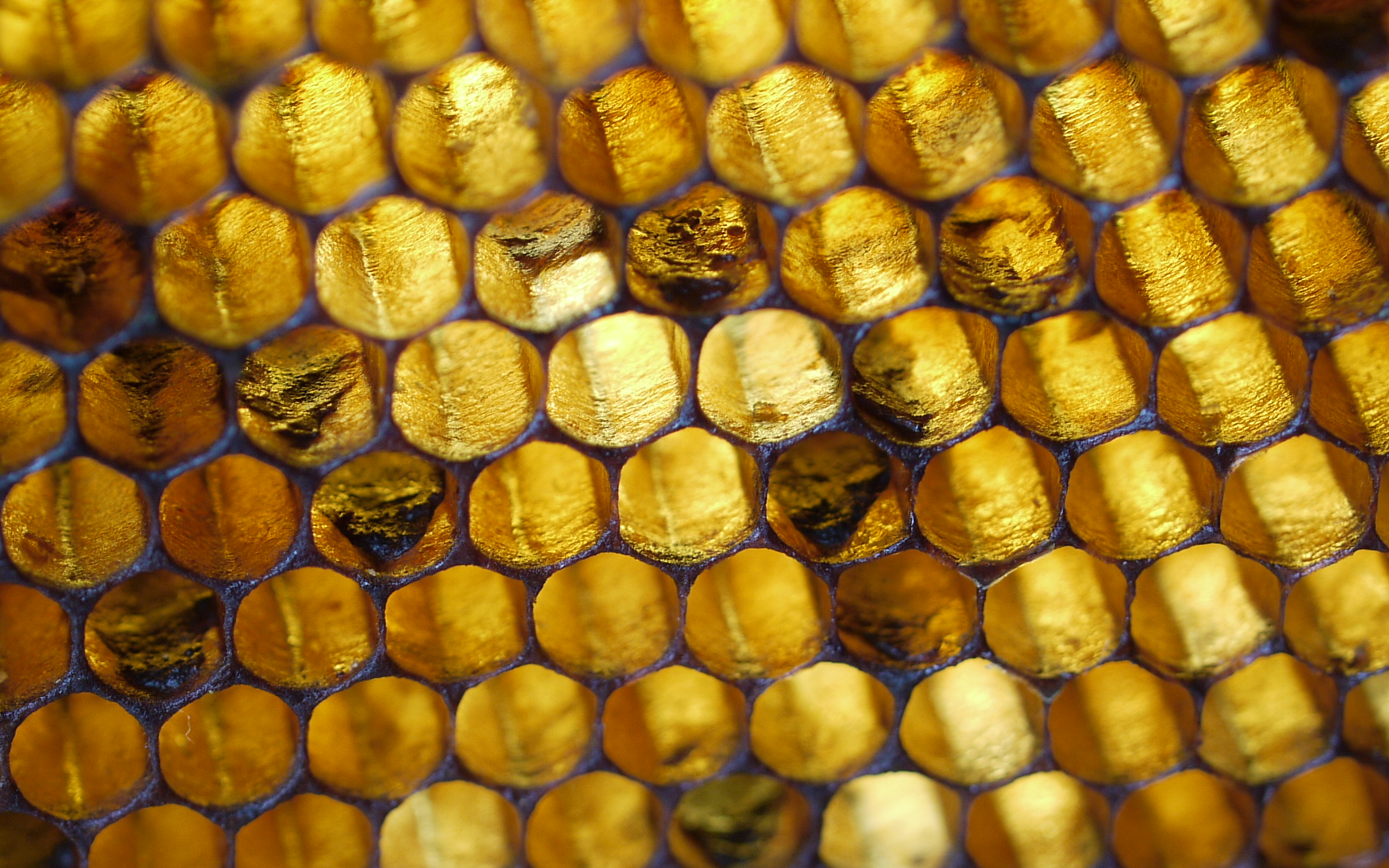
Thick sugar syrup: the standard autumn feed
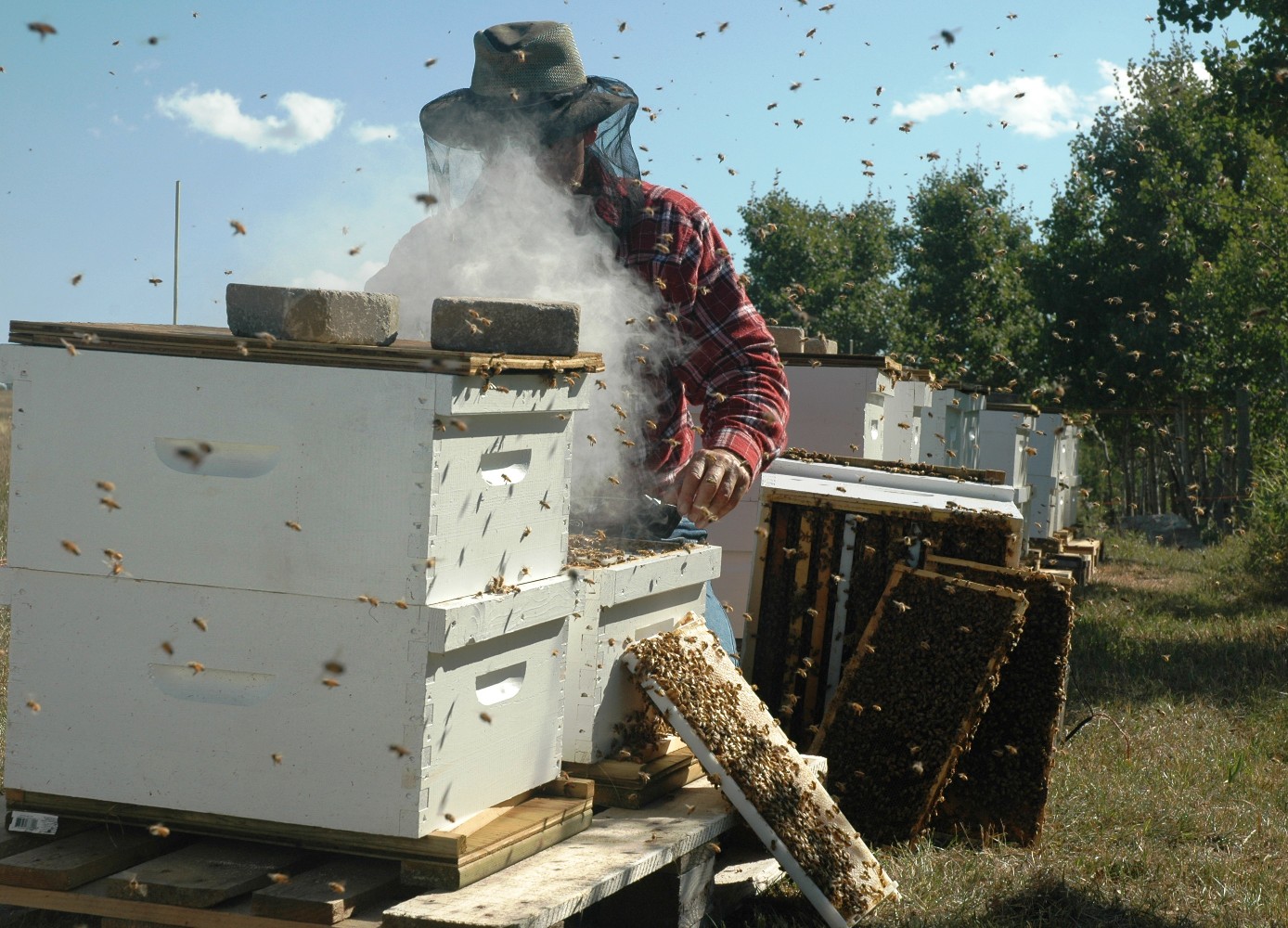
For autumn feeding, use thick syrup mixed at 2:1 by weight:
- 2 kg white granulated sugar
- 1 kg water, which is approximately 1 litre
Warm the water gently, stir in the sugar until dissolved, and allow the syrup to cool before giving it to the bees. Do not boil or caramelise sugar syrup.
Thick syrup is used in autumn because bees can store it more easily than thin spring syrup. It contains less water, so the colony has less work to do to ripen it. Feed it while the weather is still mild enough for bees to take liquid feed readily.
Use only white granulated sugar or a suitable commercial bee feed. Avoid brown sugar, molasses, raw sugar and kitchen leftovers, as these can contain substances that are not suitable for bees.
Fondant: best for late autumn and winter
Fondant is the safer choice when bees are no longer taking syrup. It does not ferment like syrup can, is less likely to trigger robbing, and can be placed directly above the cluster where bees can reach it in cold weather.
Use bakers’ fondant or a fondant sold for bee feeding. Place it:
- Over a crown board feed hole
- Directly above the cluster under an eke
- In an empty super above the brood box, with the space kept as small and insulated as practical
If using packaged fondant, cut a slit or small opening in the plastic so bees can access it while the block remains contained. In cold weather, position matters: bees may starve with food in the hive if it is too far from the cluster.
Invert syrup and proprietary bee feeds
Commercial invert syrups and ready-made winter feeds are widely used by some beekeepers, especially where many colonies need feeding efficiently. They are convenient and usually formulated to remain stable and palatable.
Follow the manufacturer’s instructions, especially on storage, timing and feeder type. Record the brand, batch if relevant, quantity and colony response in your hive notes.
Do not feed unknown honey
Never feed honey from another apiary or an unknown source. It may carry spores of American foulbrood or other disease risks. If feeding honey back to bees, it should only be from your own healthy colonies and managed with great care. For routine autumn feeding, sugar-based feeds are safer.
Choosing a feeder for autumn feeding
The best autumn feeders keep feed inside the hive. This reduces robbing, wasp pressure and unnecessary excitement in the apiary.
Rapid feeders, contact feeders and hive-top feeders
These are good choices for autumn syrup feeding. They sit above the brood box, usually over the crown board or under an empty super, and allow bees to access syrup without leaving the hive.
Practical tips:
- Feed in the evening where robbing risk is high
- Reduce entrances on weaker colonies
- Avoid spilling syrup around the hive
- Refill quickly and close up carefully
- Clean feeders after use and store them dry
Frame feeders
Frame feeders sit inside the brood box in place of a frame. They are useful when roof space is limited, but they can drown bees if badly designed or used without floats or ladders. Make sure bees can climb out safely.
Bucket feeders
A bucket feeder can work well if it is used inside the hive, above the crown board and enclosed by an empty super or eke. Make sure it seals properly and does not drip. Leaking syrup can start robbing very quickly.
Avoid open feeding
Open feeding syrup in trays, buckets or exposed containers is poor practice in autumn. It attracts wasps, encourages robbing, spreads fighting between colonies and can increase disease transmission. Feed colonies individually inside their own hives wherever possible.
Preventing robbing and wasp problems
Late summer and autumn are high-risk times for robbing. Nectar flows may have stopped, colonies are defensive about stores, and wasps are active.
To reduce problems:
- Use internal feeders
- Feed in the evening if robbing pressure is high
- Reduce entrances, especially on small colonies and nucs
- Keep syrup covered and clean up spills immediately
- Do not leave wet supers, extracted frames or sticky equipment exposed
- Avoid opening weak colonies for long periods
- Stop feeding temporarily if robbing becomes severe
Signs of robbing include bees fighting at the entrance, frantic zig-zag flight, bees trying to enter through gaps, wax debris at the entrance and a sudden increase in defensive behaviour.
Wasps can overwhelm weak colonies. Entrance reduction, wasp traps placed away from the hive, and avoiding exposed feed all help. The strongest defence is a healthy, queenright colony with an entrance it can guard.
Autumn feeding and varroa treatment
Autumn feeding often overlaps with varroa management, so plan the two together. In many UK systems the sequence is:
- Remove honey supers for extraction
- Assess colony strength, brood and stores
- Apply appropriate varroa treatment according to the product label and local conditions
- Feed as needed, taking account of the treatment being used
Some varroa treatments require supers to be removed. Some are temperature dependent. Some may affect feeding behaviour, and some feeding methods may interfere with treatment placement. Always follow the manufacturer’s instructions and current National Bee Unit guidance.
Do not assume that feeding will compensate for a heavy varroa burden. A colony with too many mites may go into winter with damaged, short-lived bees even if it has plenty of stores.
Disease checks before feeding
Autumn feeding should not be used to prop up a colony that is failing because of serious disease. While checking stores, watch for warning signs such as:
- Patchy brood pattern
- Sunken or perforated cappings
- Unpleasant smell from brood frames
- Larvae in abnormal positions
- Scales in brood cells
- Very weak colony with no clear explanation
If you suspect American foulbrood or European foulbrood, stop moving equipment or feed between colonies and contact your local bee inspector or the National Bee Unit. Foulbrood is notifiable in the UK and must be handled through official channels.
Record any disease concern, inspection findings and actions taken. Bee Hive Tracker can help keep these notes tied to the correct hive so nothing is missed during follow-up.
How to feed without contaminating honey
Sugar syrup and fondant must not end up in honey intended for sale or human consumption.
Follow these rules:
- Remove all honey supers before feeding syrup
- Do not return supers for a crop while feeding is underway
- Keep fed colonies clearly recorded
- Store extracted supers away from active feeding
- Do not extract frames that may contain sugar syrup and sell them as honey
Good records protect both your bees and your honey quality. Record which colonies were fed, what they were fed, and when feeding stopped.
Practical autumn feeding scenarios
Strong colony after honey harvest
After removing supers, inspect briefly and heft the hive. If the colony is strong but light, feed thick syrup in an internal feeder. Give enough for the bees to store efficiently, then reassess by hefting or weighing.
Continue until the colony reaches a sensible winter weight for your site. If temperatures drop and syrup is no longer taken, switch to fondant.
Colony with plenty of late forage
Some colonies bring in large amounts of ivy nectar or other late forage. If the hive is already heavy, feeding may not be needed. Keep monitoring, because late brood rearing can also use stores quickly.
Be aware that ivy honey can set hard in the comb. Bees can still use it, but colonies may benefit from some accessible stores or fondant later if conditions are difficult.
Weak colony or small nuc
A weak colony going into winter is a risk. Feeding alone will not fix lack of bees, queen failure or disease.
Options include:
- Combining with a stronger queenright colony
- Moving a nuc to a sheltered position
- Feeding carefully with syrup while conditions allow
- Providing fondant later, directly above the cluster
- Reducing space so the colony can keep warm and defend itself
Do not pour feed into a colony that is too small, queenless or diseased without first deciding whether it is worth overwintering.
Late queen failure
If a colony is queenless or has a failing queen late in the season, feeding may keep bees alive but will not solve the main problem. Depending on timing and available queens, requeening or uniting may be more reliable than trying to nurse it through winter.
Record queen status alongside feeding records so you do not mistake a food problem for a queen problem in spring.
Emergency winter feeding
If a winter heft suggests the hive is dangerously light, feed fondant immediately. Do not break the brood nest apart in cold weather. Open the hive briefly, place fondant directly over the cluster or feed hole, and close up again.
Emergency fondant can save a colony, but it is not a substitute for good autumn preparation. Make a note to reassess your autumn feeding target for that hive or apiary.
Step-by-step autumn feeding plan
- Remove honey supers intended for extraction.
- Inspect briefly on a warm day and check brood, queen status and stores.
- Heft or weigh the hive and compare it with your target for that site.
- If stores are low and weather is mild, feed 2:1 syrup using an internal feeder.
- Reduce entrances where needed and watch for robbing or wasps.
- Record the feed type, quantity, date, feeder and colony response.
- Continue feeding and reassessing until the colony has adequate winter stores.
- Coordinate feeding with varroa treatment according to product instructions.
- Switch to fondant if bees stop taking syrup or cold weather arrives.
- Fit mouse guards, tidy equipment and schedule winter hefting checks.
Hygiene and preparation tips
Good feeding hygiene prevents wasted feed and reduces stress on the colony.
- Use clean feeders and food-grade containers
- Mix syrup with clean water and white sugar
- Do not use fermented, mouldy or burnt syrup
- Avoid spilling syrup in the apiary
- Wash feeders after use
- Store fondant and sugar feeds somewhere dry and pest-free
- Keep feeding equipment separate from honey extraction equipment where practical
If syrup smells sour, foams or looks cloudy in an unusual way, discard it. Bees may refuse fermented feed, and it can cause problems inside the hive.
What to record after feeding
Autumn feeding records are most useful when they are specific. For each colony, record:
- Date of feeding
- Hive ID and apiary location
- Feed type: 2:1 syrup, fondant, invert syrup or other
- Quantity added, ideally in kg of sugar or kg of fondant
- Feeder type used
- Whether the feed was taken quickly, slowly or refused
- Any signs of robbing, wasps or leakage
- Hive weight or hefting result before and after feeding
- Queen status, brood condition and any disease concerns
- Varroa treatment timing where relevant
Using Bee Hive Tracker or a reliable logbook helps you compare colonies over several seasons. Patterns soon appear: exposed apiaries may need higher winter targets, certain hives may use stores faster, and some colonies may consistently need earlier attention.
Common autumn feeding mistakes
Waiting too long
The most common mistake is delaying until the weather turns cold. Feed syrup while bees are still active enough to process it.
Feeding with honey supers on
Never feed sugar syrup under supers that are intended for human consumption.
Using open feeders
Open feeding encourages robbing, wasps and disease spread. Feed inside the hive.
Treating every colony the same
Colonies vary. A large colony in an exposed site may need much more food than a smaller colony in a sheltered garden apiary.
Ignoring queen or disease problems
A light hive may simply need feed, but a failing colony may have queen, varroa or disease issues. Always assess the reason for weakness.
Poor record-keeping
Without records, it is easy to forget which colonies were fed, how much they received and whether they took it down. This can lead to both starvation and honey contamination mistakes.
Final advice for autumn feeding
Feed early enough for bees to process syrup, use fondant when liquid feed is no longer suitable, and keep feed inside the hive to reduce robbing. Aim for adequate stores for your own site rather than relying on a fixed national figure.
If you are unsure about disease signs, varroa treatment timing or whether a weak colony is worth overwintering, ask an experienced local beekeeper, your association or the National Bee Unit. Autumn feeding works best when it is part of a wider winter preparation plan: healthy bees, controlled varroa, adequate stores, sound equipment and clear records.
Sources Used
- https://www.gov.uk/guidance/national-bee-unit
- https://www.gov.uk/guidance/bee-health-diseases
- https://www.bbka.org.uk
- https://www.nationalbeeunit.com