How to Help Bees During a Drought
When a dry spell stops nectar flowing, honey bee colonies can go from comfortable to hungry surprisingly quickly. The priorities are simple: check stores, provide reliable water, feed safely where needed, reduce robbing pressure, avoid unnecessary disruption, and keep clear records so you know which colonies need follow-up.
For UK beekeepers, drought management is usually less about dramatic intervention and more about calm, timely triage. A few practical actions in the first week of failed forage can prevent starvation, robbing and weak colonies collapsing before autumn.
Why drought is a serious problem for honey bees
Drought affects bees in several ways at once:
- Nectar dries up before flowers disappear. Plants may still be in bloom, but nectar secretion can fall sharply in hot, dry conditions.
- Colonies burn through stores. A strong colony with brood to feed may use stores quickly if little nectar is coming in.
- Water becomes harder to find. Bees need water for cooling the hive, diluting food and supporting brood rearing.
- Robbing risk increases. When forage is scarce, strong colonies, wasps and other insects are more likely to target weaker hives.
- Existing problems show up faster. Queen issues, high varroa loads, poor brood patterns and disease symptoms become more obvious when a colony is under stress.
Drought does not remove the need for normal disease vigilance. If you suspect American foulbrood or European foulbrood, stop moving frames or combining colonies and contact your Local Bee Inspector or the National Bee Unit.
When to act
Act promptly if you notice any of the following:
- Hives feel light when lifted from the back.
- Bees are returning with pollen but little sign of nectar.
- Brood rearing has reduced suddenly.
- Bees are crowding water sources or flying in unusual numbers around taps, ponds or damp soil.
- Wasps or bees from other colonies are probing entrances.
- A previously calm colony becomes defensive, restless or frantic around feed or exposed comb.
Do not wait until bees are visibly starving. In a prolonged nectar gap, a colony that looked well supplied ten days ago may need urgent support.
First checks: quick drought triage
Keep inspections short, especially in hot weather. You do not need to dismantle every hive unless there is a clear reason.
1. Observe the entrance
Spend a minute watching each hive.
Look for:
- steady or reduced flight
- pollen coming in
- wasps testing the entrance
- fighting, shiny bees or bees trying to enter cracks
- fanning at the entrance
- signs of stress such as frantic searching or unusual clustering
Bees may forage early morning and late evening in hot weather, so a quiet hive at midday is not always a failing hive.
2. Heft the hive
Lift the back of the hive slightly to judge weight. Compare colonies in the same apiary. This is one of the fastest ways to identify which colonies need attention first.
If you keep regular records, previous hefting notes are very useful. A colony that has become noticeably lighter over a few days should be checked and may need feeding.
3. Open only if needed
If a hive feels light or looks stressed, make a brief inspection.
Check for:
- frames of sealed stores
- open nectar or recently stored syrup
- eggs and young brood
- brood pattern
- signs of disease
- the colony’s strength and ability to defend itself
Do not leave frames exposed. Drought inspections can trigger robbing if syrup, honey or wet comb is left open.
4. Record the decision
For each hive, note the date, weather, hive ID, estimated stores, queen status, signs of robbing, feed given and next action. Bee Hive Tracker is useful here because drought work often depends on remembering which colonies need another check in 48–72 hours.
Provide water before the bees become desperate
Bees need water to cool the brood nest and process food. During drought, a reliable water source near the apiary can reduce stress and discourage bees from becoming a nuisance at neighbours’ ponds, paddling pools, taps or animal troughs.
Good water sources for bees
Use:
- shallow trays or plant saucers
- poultry drinkers with landing material
- buckets with floating corks, wood, straw or pebbles
- purpose-made bee waterers
- damp gravel trays
The key is safe landing. Bees drown easily in deep open water without footholds.
Where to place water
Place water close enough for bees to find, but not directly in front of entrances. A few metres away and slightly to one side is usually better than putting it in the flight path.
Once bees have chosen a water source, they may keep returning to it, so make yours reliable. Top it up regularly and keep it clean. If you are setting up water for the first time during a drought, it can take a little while for bees to adopt it.
What to avoid
Avoid:
- syrup or honey in open water
- detergents or additives
- salty or polluted run-off
- deep containers without floats
- stagnant water left unchanged for long periods
Do not feed bees honey from unknown sources. It can spread disease.
Feeding bees during drought
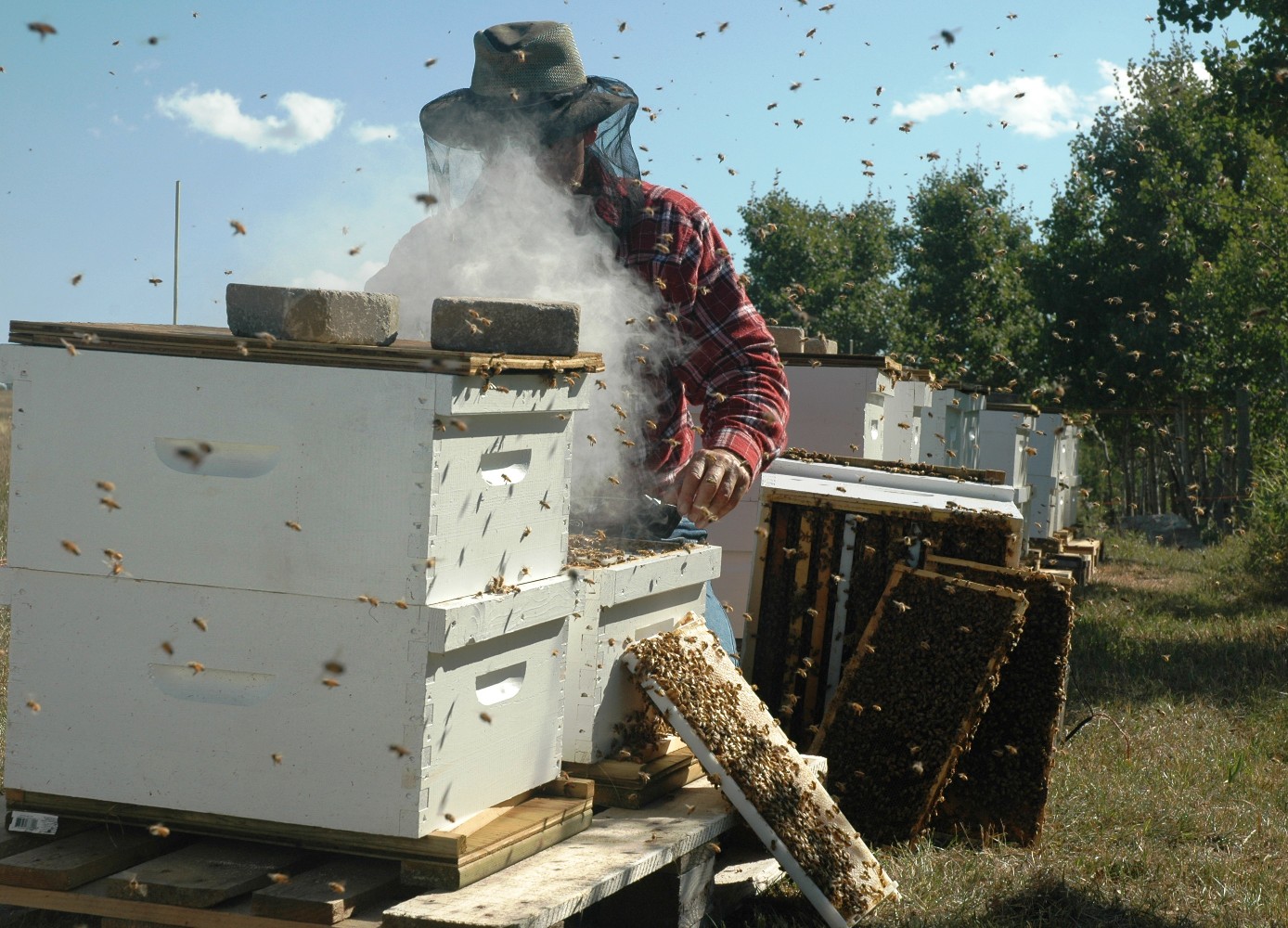
Feeding is sometimes essential during a drought, but it must be done carefully. Poor feeding practice can start robbing and cause more harm than good.
If you have honey supers on for crop, remove them before feeding syrup intended for the bees. Feeding while collecting honey for extraction risks contaminating the crop with sugar syrup.
Use internal feeders where possible
The safest drought feeding is usually inside the hive.
Good options include:
- rapid feeders
- frame feeders with floats
- contact feeders
- hive-top feeders
- inverted jar feeders placed securely above the brood box
Avoid open feeding near the apiary. It encourages robbing, spreads disease risk and attracts wasps.
Feed in the evening where practical, reduce entrances, and avoid spilling syrup. Any spillages should be washed away promptly.
What to feed and when
1:1 syrup for immediate support
A light syrup, commonly made as equal parts white granulated sugar and water, is useful when bees need rapid carbohydrate during a summer nectar gap.
Use it when:
- the colony is light
- brood rearing needs support
- drought has stopped nectar flow
- bees are still strong enough to take syrup quickly
Give modest amounts and reassess. A moderate colony may take 1–2 litres quickly in a severe nectar gap, but needs vary. Do not keep pouring syrup into colonies without checking whether they are storing it, using it or being robbed.
Use only white granulated sugar. Do not use brown sugar, molasses, raw sugar or other products that can contain residues unsuitable for bees.
2:1 syrup for building stores
A thicker syrup, commonly two parts white sugar to one part water, is mainly used later in the season to help colonies build winter stores.
Use it when:
- drought has extended into late summer
- the main nectar flow has failed
- winter stores are clearly short
- the colony is strong enough to process and store feed
Feed internally and check that the colony is not being robbed. Late-season feeding should fit around varroa treatment plans and local conditions.
Fondant for emergency or low-disturbance feeding
Fondant can be useful where:
- a colony is at risk of starvation
- you cannot visit often
- syrup feeding is provoking robbing
- conditions are unsuitable for liquid feed
- emergency support is needed over the brood nest
Place fondant above the cluster or brood area so bees can reach it. Use a clean food-grade fondant or bee fondant, and prevent bees becoming trapped in packaging. Although fondant contains less water than syrup, bees still need access to water to use food efficiently and cool the hive.
Prevent robbing and wasp pressure
Robbing can destroy a weak colony very quickly. During drought, assume robbing risk is high.
Reduce entrances
Fit entrance reducers so the colony has only as much entrance as it can defend. Weak colonies may need a very small opening.
Watch for congestion. A strong colony still needs enough space for normal traffic and ventilation.
Use robbing screens
Robbing screens are very effective when fitted early. They confuse robbers while allowing resident bees to reorientate.
If robbing has already started, act quickly:
- reduce the entrance
- cover exposed cracks
- stop inspections
- remove spilled feed
- fit a robbing screen
- consider moving the colony only if you can do so safely and appropriately
Do not shake bees, expose combs or leave wet supers accessible during robbing conditions.
Manage wasps carefully
Wasps are a common problem in late summer droughts. Reduce entrances and keep colonies strong enough to defend themselves. Traps may help if placed away from hives, but they are not a substitute for good hive defence.
Do not use poisons near bees. If you suspect Asian hornet activity, follow current UK reporting guidance.
Adjust the hive environment
Heat and drought often arrive together, but avoid making drastic changes without a reason. Bees are good at regulating the brood nest if they have enough workforce, water and stores.
Shade
Afternoon shade can help in exposed apiaries. Aim for morning sun and dappled shade later in the day if possible.
Useful options include:
- shade cloth
- temporary screens
- natural hedge shade
- moving stands slightly within the apiary before bees are flying, where practical
Avoid putting hives into deep shade all day unless local conditions make it necessary. Morning sun helps colonies start foraging and maintain normal activity.
Ventilation
Many UK hives already have open mesh floors, which provide significant ventilation. If a colony is overheating, you may improve airflow, but avoid opening gaps that robbers or wasps can exploit.
Do not over-ventilate small colonies. Too much space and airflow can make it harder for them to defend and regulate the brood nest.
Space
Reduce unused space in weak colonies. Dummy boards or insulated division boards can help concentrate bees, brood and stores into a defendable area.
Be careful not to isolate the queen or brood from food. Any reduction in space should be simple, logical and checked later.
Should you move hives to better forage?
Moving colonies can help if there is genuinely better forage elsewhere, but it is not always practical or safe.
Before moving hives, consider:
- whether the destination has reliable nectar and water
- disease status of both sites
- access in hot weather
- legal and landowner permissions
- the risk of moving colonies during a nectar dearth
- normal hive-moving precautions
Avoid casual short-distance moves unless you know how to manage reorientation properly. Poorly planned moves can leave flying bees returning to the old stand.
Managing weak colonies during drought

Drought often forces decisions. Weak colonies are more likely to starve, be robbed or fail to recover before winter.
Support if the colony has a future
A colony may be worth supporting if it has:
- a laying queen or clear signs of recent laying
- enough adult bees to cover brood
- no signs of notifiable disease
- a reasonable brood pattern
- the ability to defend a reduced entrance
Feed, provide water, reduce space if needed, and reassess within a few days.
Combine if recovery is unlikely
If a colony is very small, queenless, poorly defended or unlikely to build up before autumn, combining may be the best option.
Only combine if you are confident there is no foulbrood or serious disease concern. If in doubt, ask an experienced beekeeper, association officer or bee inspector before moving frames.
The newspaper method is commonly used: place the weaker colony above a stronger, healthy colony with a sheet of newspaper between them, after dealing appropriately with queen status. The bees chew through gradually, reducing fighting. Do this in the evening and keep entrances reduced.
Do not combine diseased colonies
If you see suspicious brood, ropiness, sunken cappings, abnormal larvae, foul smell, patchy brood with unexplained dead larvae, or anything that raises concern about AFB or EFB, stop. Contact your Local Bee Inspector or the National Bee Unit.
Varroa and disease during drought
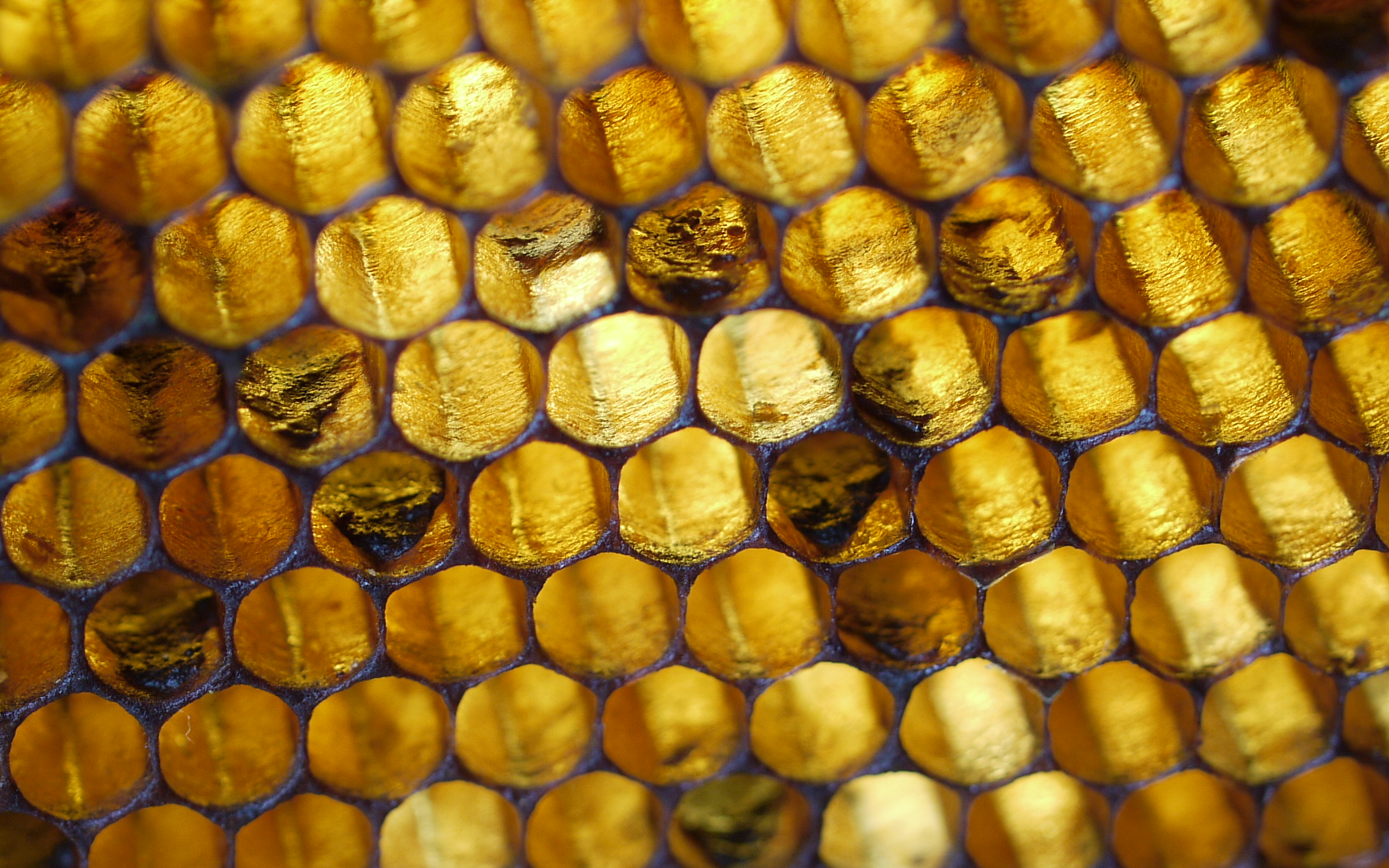
Drought does not stop varroa. In fact, stressed colonies with high mite levels are less likely to recover well or overwinter successfully.
Keep varroa monitoring and treatment on your seasonal plan. Use authorised treatments according to the label, and consider temperature restrictions carefully, as some products have limits in hot weather.
Watch for:
- deformed wings
- dwindling adult population
- poor brood pattern
- uncapped or chewed brood
- mites on bees or monitoring boards
- signs of paralysis viruses
Also remain alert for dysentery, crawling bees, lethargy and queen failure. Stress can make diagnosis harder, so do not guess where official advice is needed.
Practical drought feeding schedule
Every apiary is different, but this approach works well as a starting point.
Same day
- Observe entrances.
- Heft all hives.
- Provide water.
- Reduce entrances on vulnerable colonies.
- Briefly inspect only light or worrying hives.
- Feed light colonies internally in the evening.
- Record actions and set follow-up reminders.
48–72 hours later
- Recheck hive weight.
- Confirm feed has been taken.
- Look for robbing or wasp pressure.
- Top up water.
- Feed again only where needed.
- Check that weak colonies are still viable.
Weekly during ongoing drought
- Continue hefting.
- Keep water reliable.
- Monitor stores, brood and queen status.
- Reassess weak colonies for combining.
- Maintain varroa and disease vigilance.
- Update records after every intervention.
What to record during drought
Good records prevent missed follow-ups and repeated disturbance. Record:
- hive ID
- date and time
- weather conditions
- local forage notes
- hive weight by hefting or scales
- frames of stores estimated
- queen seen or signs of laying
- brood condition
- feed type and amount
- water provision
- entrance reduction or robbing screen fitted
- wasp or robbing activity
- disease concerns
- next planned action
Bee Hive Tracker can help keep these notes linked to each colony, especially when several hives need different feeding dates, water checks or re-inspections.
Longer-term ways to make an apiary more drought-resilient
Once the immediate pressure has passed, review what happened.
Consider:
- choosing apiary sites with afternoon shade and reliable water nearby
- planting drought-tolerant forage such as lavender, rosemary, thyme, borage, marjoram, catmint and suitable late-flowering shrubs
- working with landowners, councils or neighbours to improve pollinator planting
- avoiding overstocking apiaries where summer forage is limited
- selecting colonies that cope well with local conditions
- reviewing which hives needed repeated emergency feeding
Use your records to identify patterns. If the same site or colony type struggles every dry summer, it may need a different management plan.
Common mistakes to avoid
Open feeding
Open syrup feeding can trigger robbing, attract wasps and increase disease risk. Feed inside the hive whenever possible.
Waiting too long
A colony can decline quickly once stores run low. Heft early and often during a nectar gap.
Over-inspecting
Long inspections in hot, dry conditions stress colonies and expose food to robbers. Keep checks short and purposeful.
Feeding with supers on
If honey is intended for human consumption, do not feed syrup while supers are on for harvest.
Ignoring weak colonies
Weak colonies rarely improve during a serious drought without help. Support them promptly or combine them if appropriate.
Forgetting water
Syrup alone is not enough. Bees need water for cooling and colony function.
Immediate action checklist
- Heft every hive and identify the lightest colonies.
- Provide shallow, safe water close to the apiary.
- Reduce entrances where robbing or wasps are likely.
- Feed light colonies internally in the evening.
- Avoid open feeding and exposed comb.
- Keep inspections short.
- Combine failing colonies only if disease is not suspected.
- Continue varroa and disease monitoring.
- Record feed, water, hive weight and next actions.
- Contact your Local Bee Inspector if you suspect AFB or EFB.
Final advice
During drought, the best results come from steady, practical management. Check stores before bees are starving, provide reliable water, feed only where needed, and protect vulnerable colonies from robbing.
Keep clear records so you know what each colony received and when it needs checking again. In a dry season, that follow-up often makes the difference between a colony that recovers and one that quietly fails.
Sources Used
- https://www.gov.uk/government/collections/bee-health-and-diseases
- https://www.nationalbeeunit.com/
- https://www.bbka.org.uk/