How to Know If a New Queen Has Mated
You cannot confirm that a new queen has mated simply by seeing her on the comb. The reliable evidence is what she lays.
A successfully mated queen should lay single eggs in worker cells, followed by a compact patch of worker larvae and, a little later, flat-capped worker brood. In UK conditions, first eggs often appear around 7–14 days after the queen emerges, but poor weather can push this towards three weeks. Capped worker brood appears about nine days after eggs are laid, so it is usually the second or third inspection that gives the clearest answer.
If you see only drone brood, scattered laying, persistent multiple eggs per cell, or no eggs after repeated checks and fair mating weather, the queen may be unmated, poorly mated or absent, and the colony will need help.
Why a New Queen Does Not Lay Straight Away
A virgin queen needs time before she becomes a laying queen. The usual sequence is:
- Emergence
The virgin queen chews her way out of the queen cell. She may be hard to find because she is quick, slim and easily disturbed.
- Maturation and orientation
Over the next few days she matures, hardens, takes orientation flights and prepares for mating.
- Mating flights
On warm, bright, calm afternoons she flies to drone congregation areas and mates with multiple drones. These areas may be nearby or several kilometres away.
- Start of laying
Once successfully mated, she usually starts laying within two or three days. Fertilised eggs become workers or queens; unfertilised eggs become drones.
- Visible brood development
Eggs hatch after about three days. Worker larvae are capped around day nine from the egg being laid, and workers emerge around day 21.
This is why a hive can look “queenless” for a while even when everything is progressing normally. The key is to judge the colony against the correct timeline, not against impatience.
UK Mating Conditions and Swarm-Season Timing
In most of the UK, queen mating is most reliable from late April through June, often continuing into July in good years. Late-summer mating can work, especially during supersedure or after splits, but drone numbers and weather become less dependable.
Good mating weather usually means:
- warm, bright afternoons
- light wind
- no persistent rain
- enough drones flying locally
- a colony strong enough to support the virgin queen
Temperatures in the high teens may allow some flight, but mating is much more reliable in settled, warm weather. A week of cold rain or strong wind can delay mating and should be taken into account before writing off a queen.
Drone availability also matters. Colonies in areas with plenty of managed and feral colonies tend to have better mating odds during the main season. Early spring, exposed sites, isolated apiaries and late-season queen rearing all carry more risk.
Queen Mating Timeline: What to Expect
Use the date of queen emergence if you know it. If you only know when the queen cell was sealed, remember that queens usually emerge about eight days after sealing.
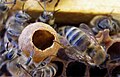
Day 0: queen emerges You may see an opened queen cell with a neat hole at the tip. Avoid unnecessary inspections. Virgin queens are easily lost, damaged or caused to fly.
Days 1–6: maturation and orientation There may be no eggs yet. The colony may sound slightly unsettled but should not be hopelessly queenless. Leave them as undisturbed as possible unless there is a serious reason to inspect.
Days 7–14: first eggs often appear Look for single eggs in the bottom centre of worker cells. If eggs are present, close up and plan a follow-up inspection. Do not keep searching for the queen unless you need to.
Days 14–21: larvae and capped worker brood should develop This is the point at which the picture becomes clearer. A good queen should be building a worker brood nest. Flat worker cappings are a strong sign that mating has succeeded.
After day 21: concern increases if there are still no eggs If weather has been poor, you may allow a little longer. If there has been good mating weather and the colony still has no eggs or only drone brood, assume there is a problem and plan corrective action.
After day 28: take action in most cases By four weeks after emergence, a queen that has not produced worker brood is unlikely to become reliable. Requeen, unite, or manage the colony as appropriate.
The Main Signs That a New Queen Has Mated
Single Eggs in Worker Cells
A mated queen normally lays one egg per cell, placed on the floor of the cell. Very fresh eggs stand upright like tiny white pins; older eggs lean over before hatching.
This is a good early sign, but it is not the final proof. You still need to see that those eggs develop into worker brood.
Worker Larvae
After three days, eggs hatch into larvae. Pearly white larvae in worker cells, arranged in a growing brood patch, suggest that the queen has started properly.
Flat-Capped Worker Brood
This is the strongest confirmation. Worker brood is capped with flatter, biscuit-coloured cappings. A developing patch of worker brood means the queen has mated and is using stored sperm to fertilise eggs.
A Compact Brood Pattern
A good brood pattern does not need to be perfect. Small gaps are normal, especially around stores, pollen, drone cells or damaged comb. What you want is a reasonably compact area of eggs, larvae and capped worker brood that expands over time.
Judge the trend. A brood nest that improves over the next two inspections is reassuring. A pattern that becomes more scattered, drone-heavy or irregular is a warning sign.
Signs the Queen May Not Have Mated Properly
Only Drone Brood
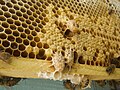
Drone brood has raised, domed cappings. If domed drone cappings appear in worker-sized cells, the queen may be unmated or sperm-depleted. This is often called a drone-laying queen.
A normal colony will have some drone brood in drone comb. The problem is when the brood nest is mostly drones, especially in worker cells.
No Eggs After Repeated Checks
No eggs 10 days after emergence is not necessarily failure, especially after poor weather. No eggs after three to four weeks, despite suitable weather, is a serious concern.
Check your dates carefully before acting. Many queens are lost because beekeepers inspect too often or intervene too soon.
Persistent Multiple Eggs Per Cell
Laying workers often lay several eggs in one cell, frequently on the side walls or off-centre. This usually develops after a colony has been queenless for several weeks.
A newly mated queen can occasionally lay untidily for a very short period when she first starts, but persistent multiple eggs across the brood nest point to laying workers or a serious queen problem.
Very Patchy Brood
Patchy brood can have several causes, including poor mating, an old or failing queen, chilled brood, varroa damage, comb problems or disease. Do not assume every poor pattern is a mating issue. If cappings are sunken, perforated, greasy-looking or associated with unpleasant smells, treat it as a possible brood disease concern.
How to Inspect Without Disrupting the Queen
Keep inspections short during the mating period. Virgin queens are more vulnerable than established laying queens.
- Check your records first
Before opening the hive, confirm the date the queen cell was sealed, the likely emergence date, previous weather and any earlier notes. Bee Hive Tracker is useful here because queen status, queen cell dates and recheck reminders can be kept with the colony record.
- Choose suitable weather
Inspect on a warm, calm day. Avoid opening colonies in cold wind or rain unless urgent.
- Use minimal smoke
Too much smoke can scatter bees and make eggs harder to see.
- Handle brood frames gently
Do not shake frames during this period. Avoid rolling bees. If the virgin queen is present, she may be small and fast.
- Look for eggs, not the queen
You do not need to find the queen to know she is mated. Eggs and developing worker brood are better evidence.
- Check the central brood area first
The first eggs are usually laid where nurse bees are concentrated, often near the centre of the brood nest.
- Close up once you have the answer
If you find good eggs or larvae, stop. There is no benefit in over-inspecting a newly established queen.
How to Read Eggs and Brood Correctly
Good signs include:
- one egg per worker cell
- eggs placed centrally on the cell floor
- larvae appearing three or four days later
- flat-capped worker brood nine days after eggs are laid
- a brood patch that becomes more organised over time
- calmer colony behaviour once brood is present
Warning signs include:
- no eggs after several suitable mating days and repeated checks
- domed drone cappings in worker cells
- a scattered pattern with little worker brood
- multiple eggs per cell over a wide area
- eggs on cell walls
- no young larvae where eggs were expected
- queen cells being built again after a virgin should have mated
Decision Points: Wait, Recheck or Intervene?
If You See Good Eggs
Record the finding and leave the colony alone. Recheck in 7–10 days to confirm larvae and developing worker brood.
Do not disturb the hive repeatedly just to “make sure”. The brood will tell you more at the next visit.
If You See Eggs but Are Unsure
If there are only a few eggs on one frame, the queen may have just started laying. Mark the colony for recheck in a week.
At the next inspection, you want to see more eggs, larvae and the beginning of a pattern. If it is improving, give her time.
If You See No Eggs
Work from the queen’s likely emergence date.
If she emerged less than two weeks ago, and the weather has been poor, wait.
If she emerged more than three weeks ago, and there has been fair mating weather, prepare to intervene.
If she emerged more than four weeks ago, and there is still no worker brood, the colony should usually be requeened or united.
If You See Only Drone Brood
A queen laying only drones is not properly mated or has failed. The colony will not recover into a normal worker-producing colony unless you replace her or unite the bees.
Find and remove the drone-laying queen before introducing a new queen. If you cannot find her, introduction success will be poor.
If You Find Laying Workers
Laying-worker colonies are difficult to fix because they often reject introduced queens. The most reliable options are usually to unite them with a strong queenright colony or to break them up and use the bees and stores carefully.
Do not unite diseased or suspect colonies. If there are any brood disease concerns, deal with those first and seek official advice where appropriate.
Practical Options for a Failed or Unmated Queen
Wait a Little Longer
Best when:
- the queen emerged recently
- weather has been cold, wet or windy
- the colony still has enough bees and stores
- there are no signs of laying workers
- there is no disease concern
Set a firm recheck date. Open-ended waiting is how colonies dwindle.
Requeen with a Mated Queen
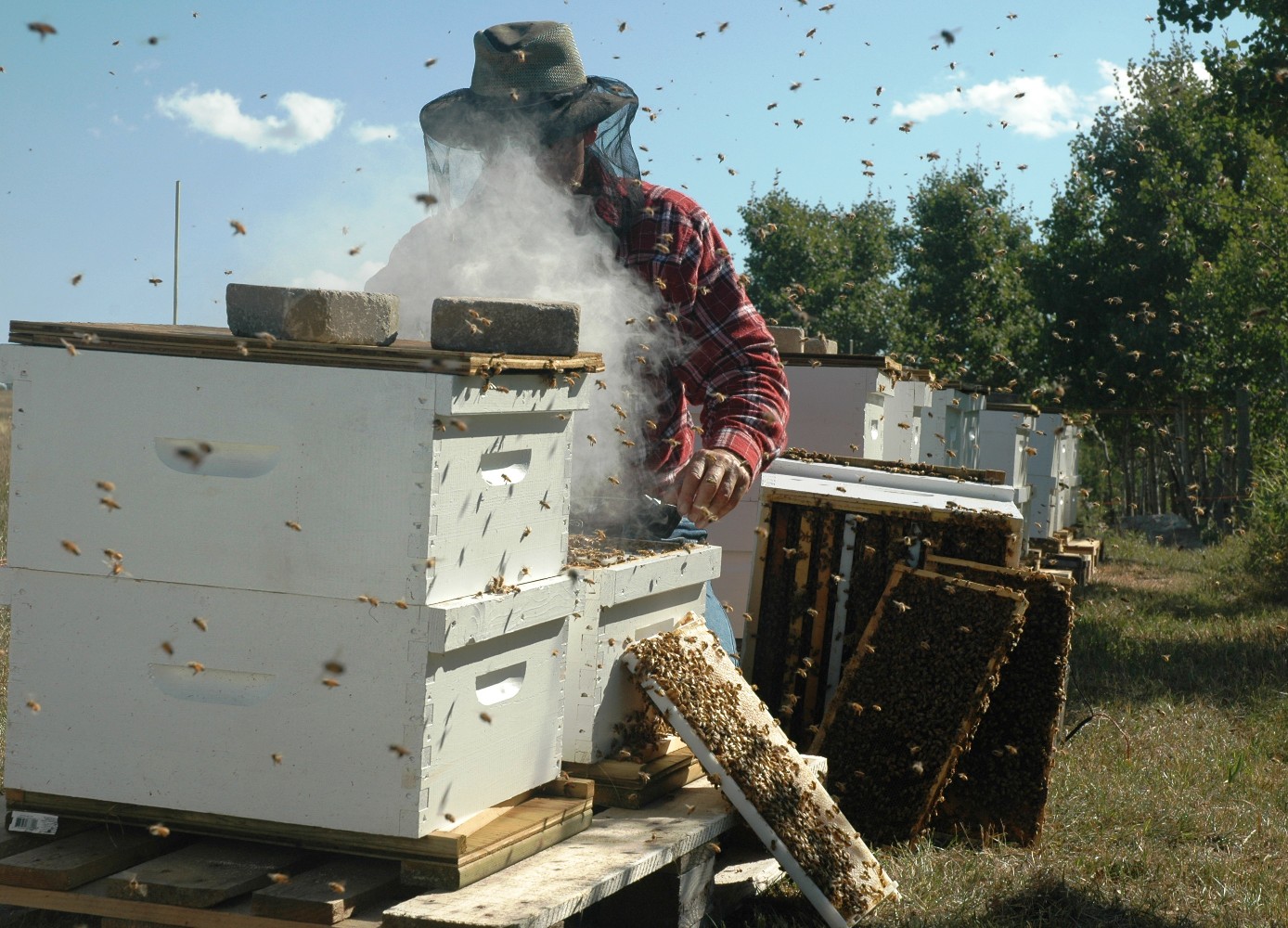
This is often the quickest solution if the colony is worth saving and you have access to a good mated queen.
Before introducing her:
- confirm the old queen is absent or remove the failed queen
- reduce disturbance
- use a proper introduction cage
- allow slow release
- check acceptance after 7–10 days
Record the queen’s origin, marking colour, introduction date and acceptance result. This is exactly the sort of detail that helps later when comparing colony performance.
Make Up a Nucleus Colony
If you are managing swarm control or queen rearing, a nucleus colony can be a better environment for a ripe queen cell or virgin queen than a large unsettled colony.
A typical mating nuc or small nuc should have:
- a ripe queen cell or virgin queen
- young bees
- emerging brood
- food stores
- enough bees to keep brood warm
- a small entrance that can be defended
It is usually easier to move a ripe queen cell before emergence than to move a virgin after she has started orientating. If moving nucs within the same apiary, expect flying bees to drift back unless the nuc is managed accordingly.
Unite with a Queenright Colony
If the colony is weak, late in the season, or not worth requeening, uniting may be best. The newspaper method is commonly used, provided both colonies are healthy.
Before uniting:
- remove any failed or drone-laying queen
- check for brood disease
- decide which queen you are keeping
- record the unite in your hive notes
Uniting preserves bees and stores while avoiding further mating risk.
Dealing with Laying Workers
Laying workers usually develop after a colony has been queenless for too long. Signs include multiple eggs, eggs on cell walls, scattered drone brood and a lack of organised worker brood.
Directly introducing a queen into a laying-worker colony is often unsuccessful. Better options include:
- uniting with a strong queenright colony, if healthy
- shaking bees out and removing the failing hive equipment from the stand
- distributing usable stores or comb only if disease is not suspected
- making up fresh nucs from reliable brood and introducing queens properly
Be cautious. Laying-worker colonies can waste a valuable queen if rushed.
What to Record When Checking Queen Mating
Good records make queen assessment far easier. At each inspection, record:
- apiary and hive ID
- date and time
- weather and recent weather pattern
- date queen cell was seen open or sealed
- estimated queen emergence date
- whether the queen was seen
- whether eggs were present
- number of frames with eggs or young larvae
- whether capped worker brood was present
- whether drone brood was normal or excessive
- brood pattern: compact, improving, patchy or drone-heavy
- any queen cells present
- temperament
- stores and colony strength
- disease concerns
- action taken
- next inspection date
Photos are valuable, especially of brood patterns, queen cells or anything suspicious. Keeping these with the colony record in Bee Hive Tracker makes later decisions much easier, particularly when several colonies are at different stages of swarm control.
When to Check Again
If eggs are present Recheck in 7–10 days to confirm larvae and worker brood.
If no eggs are present but the queen emerged recently Recheck in 7–10 days, allowing longer if the weather has been poor.
If a mated queen has been introduced Check after 7–10 days for acceptance and eggs. Avoid disturbing the cage too early.
If a nuc has been made for mating Check after about 10–14 days for eggs, then again later for capped worker brood.
If laying workers are suspected Do not keep waiting. Decide whether to unite, break up or seek help.
Common Apiary Scenarios
The Queen Cell Is Open but There Are No Eggs
If the queen emerged within the last week, this is normal. Close the hive and return later.
If it has been two weeks and the weather has been poor, wait a little longer.
If it has been three or four weeks with good weather, assume failure and plan to requeen or unite.
Eggs Appear on One Frame Only
This is often the start of normal laying. Record it and recheck in a week. If the brood area expands and larvae appear, the queen is probably fine.
There Is Patchy Brood and Lots of Drone Cappings
Check whether the domed cappings are in drone comb or worker cells. Drone brood in worker cells suggests a drone-laying queen. Requeen or unite unless there is a strong reason to preserve the genetics.
There Are Multiple Eggs in Many Cells
If this is widespread, especially with eggs on cell walls, suspect laying workers. Do not waste a good queen by introducing her without preparing the colony properly.
The Colony Is Very Defensive During the Gap
Some colonies are more unsettled while queenless or waiting for a virgin to mate. If the queen mates and starts laying, temperament may improve. If aggression remains severe, record it; temperament is a valid reason to replace the queen once practical.
Disease and Welfare Notes
Poor brood pattern is not always a queen-mating problem. Varroa, starvation, chilled brood, old comb and brood disease can all affect brood appearance.
Seek help if you see:
- sunken or perforated cappings
- greasy-looking cappings
- ropy larval remains
- unpleasant brood smell
- dead or discoloured larvae
- unusual scale-like remains in cells
- rapidly dwindling bees with abnormal brood
In England and Wales, contact the National Bee Unit or your local bee inspector through BeeBase if notifiable disease is suspected. In Scotland or Northern Ireland, follow the relevant local reporting route. Do not move suspect frames, bees or equipment between apiaries.
Also watch stores. A queenless colony or a small split can starve during poor weather, even in swarm season. Feed if necessary, but avoid spreading disease and do not feed honey from unknown sources.
Final Checklist for Your Next Visit
Before opening the hive, know the likely emergence date.
During the inspection, answer three questions:
- Are there eggs?
- Are they in worker cells and laid singly?
- Are they developing into worker brood?
After the inspection, record:
- queen status
- brood stage
- weather context
- action taken
- next check date
The safest conclusion comes from worker brood, not guesswork. Give a new queen enough time to mate in suitable weather, but do not let a failing colony drift for weeks without a plan.
Sources Used
- https://www.gov.uk/government/collections/bees-and-beekeeping
- https://www.bbka.org.uk/
- https://secure.fera.defra.gov.uk/beebase/