How to Manage Bees During the June Gap
The June Gap is a temporary shortage of nectar that can occur between the end of spring forage and the start of the main summer flows. In the UK it often follows oilseed rape, hawthorn, sycamore and orchard blossom, and may arrive before bramble, lime, clover, sweet chestnut and rosebay willowherb are producing reliably.
It is not the same every year, and it does not affect every apiary. A warm, settled June with bramble opening early may make the gap barely noticeable. A cold, wet spell after spring blossom can leave colonies burning through stores while still raising large amounts of brood.
Good June Gap management is simple: check stores, confirm queen status, watch for disease and robbing, feed when necessary, and keep clear records so each colony gets the right follow-up.
What the June Gap looks like in a hive
A colony affected by a nectar dearth may show:
- A hive that feels noticeably lighter when hefted
- Little fresh nectar in the brood box or supers
- Fewer foragers returning with pollen
- Bees searching around equipment, sheds or other hives
- More defensive behaviour, especially in marginal colonies
- Increased robbing attempts on nucs, weak colonies or recently opened hives
- A brood nest that is still expanding but has too little food beside it
This last point is important. A strong queen can keep laying through June, and a large brood nest consumes a lot of food. A colony may look busy and healthy but still be only a few poor flying days away from starvation.
When the June Gap happens in the UK
The timing depends on region, weather and local forage.
In southern and lowland areas, the gap is often seen from late May into mid-June, especially after oilseed rape and spring blossom finish. In northern, upland or cooler areas it may come later, be shorter, or be hidden by different forage patterns.
Weather matters as much as the calendar. Rain, low temperatures or wind can stop bees flying even when plants are in flower. Conversely, a warm spell can make nectar sources open quickly and shorten the gap.
Keep local notes. If you record when oilseed rape finishes, when bramble starts and when your colonies begin to lose weight, you will soon build a useful picture of your own June Gap rather than relying on a national average.
Inspect with purpose: stores, queen and disease
Do not open colonies repeatedly just because forage is uncertain. Each inspection breaks hive atmosphere, exposes stores and may increase robbing. When you do inspect, have a clear aim.
Check stores first
Heft the hive before opening. If you know the normal feel of that colony, a light hive tells you a great deal before a frame is lifted.
Inside the hive, look for food close to the brood nest. As a practical guide, a full-size colony should have several frames of stores available, ideally immediately beside or above the brood. If you find less than two full brood-frame equivalents of food, or the colony feels light and the weather forecast is poor, feed promptly.
Adjust this judgement for colony size. A nuc with a small brood nest does not need the same quantity as a double-brood production colony, but it has less reserve and can run out very quickly.
Do not strip brood boxes of stores to make room for supers. The bees need food where they can access it, particularly if bad weather follows.
Confirm queen status
You do not always need to see the queen, but you do need evidence that the colony is queenright.
Look for:
- Eggs or very young larvae
- A reasonable brood pattern for the age and strain of the queen
- Brood at different stages
- Normal behaviour on the comb
A patchy brood pattern, polished empty cells, emergency queen cells or a sudden drop in brood area needs attention. A queenless colony may raise a new queen if it has suitable young larvae and drones are available, but it will lose time during the gap and may not rebuild in time for the summer flow.
Record what you see. “Queen not seen, eggs present” is a very different note from “queen not seen, no eggs, emergency cells”.
Look carefully for disease
Stress and food shortage can reveal underlying problems. While inspecting, check brood frames for signs of foulbrood and other disease.
Possible warning signs include:
- Sunken, perforated or greasy-looking cappings
- Larvae in abnormal positions
- Melted-looking larvae
- Ropy larval remains
- Dark scales stuck to the lower cell wall
- Unusual or unpleasant smells
- Patchy brood not explained by queen age, chilled brood or normal emergence
American foulbrood and European foulbrood are notifiable diseases in the UK. If you suspect either, stop moving bees, brood frames or equipment between colonies, close the hive, clean your tools, and contact your local bee inspector or the National Bee Unit. Do not rely on social media diagnosis.
What to do when a colony is short of food
A June Gap colony normally falls into one of three broad categories.
Strong colony with good stores
If the colony has a laying queen, a solid brood nest and adequate stores, leave it mostly alone. If nectar is coming in and the brood box is not short of food, add a super if needed to prevent congestion.
Follow up in 7 to 10 days, or sooner if the weather turns poor.
Borderline colony with low stores
If the colony has brood but only limited stores, feed before it becomes an emergency. Reduce the entrance if robbing pressure is likely, avoid spilling syrup, and keep inspections short.
Recheck in 4 to 7 days. If the colony is still losing weight, increase support or consider whether queen failure, disease or varroa is part of the problem.
Weak, queenless or diseased colony
A very weak colony is often better united than nursed along through a forage shortage. If it is queenless, decide whether requeening, uniting or allowing it to raise a queen is realistic for the time of year and its strength.
Never unite a colony that may have foulbrood or another serious disease. Get official advice first.
Feeding bees during the June Gap
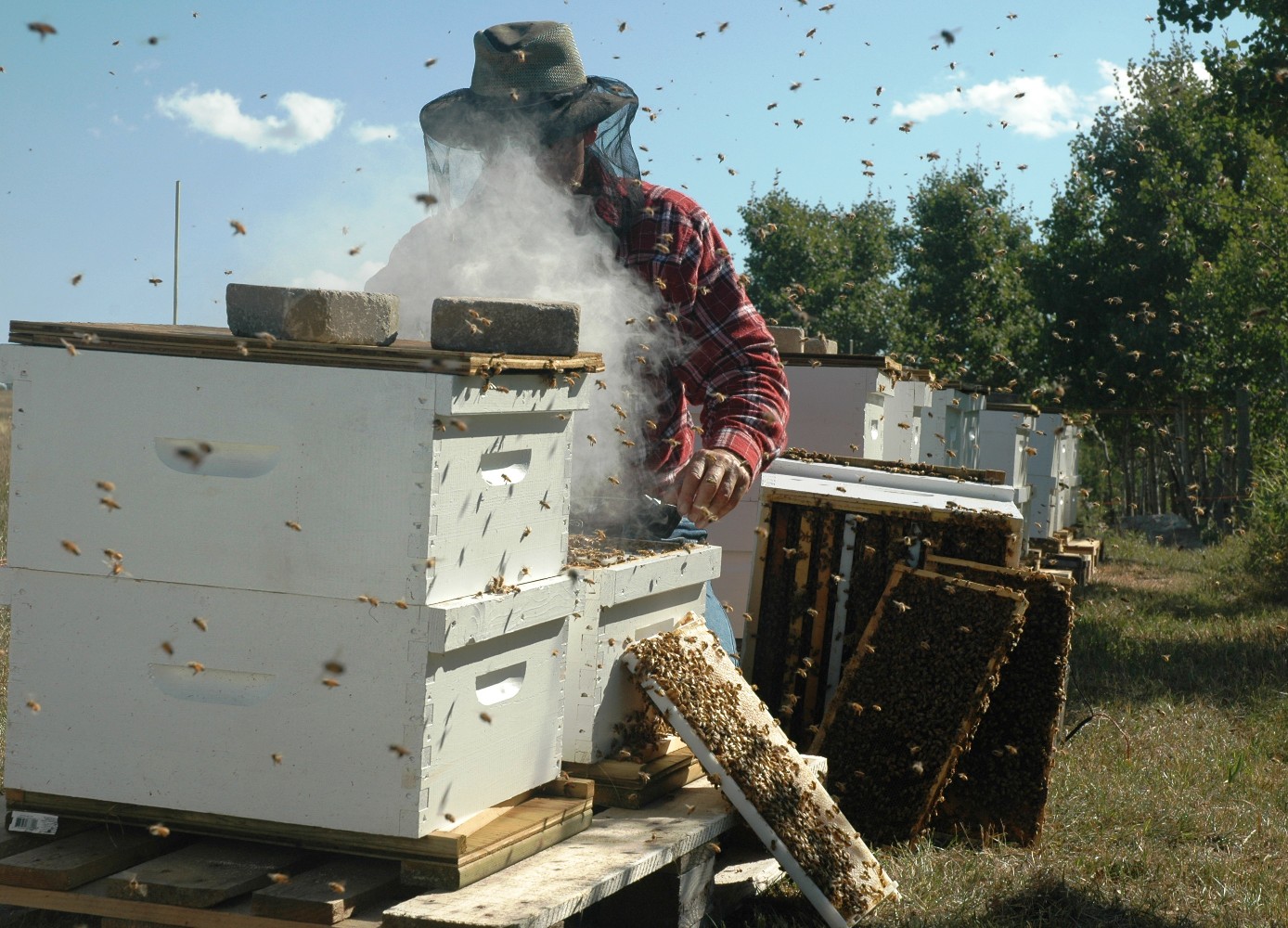
Feeding can save colonies during a dearth, but it must be done carefully. The aim is to keep bees alive and brood rearing steady, not to put sugar into honey supers.
Use only clean white granulated sugar or properly made bee fondant. Do not feed brown sugar, molasses, treacle or waste confectionery products, as these can harm bees.
Fondant for emergency feeding
Fondant is often the safest emergency feed during a June Gap. It is less likely to spill, less likely to start robbing, and easier to place quickly than syrup.
Place fondant directly over the cluster or above the crownboard feed hole, making sure bees can reach it. Use an eke if needed. If bees are already weak or the weather is cold, placing feed close to the bees is better than leaving it where they may not access it.
Fondant is particularly useful for:
- Light colonies in poor weather
- Nucs and weak colonies at risk of robbing
- Emergency top-ups when you cannot make a full inspection
- Colonies that need support but should not be stimulated too heavily
Syrup for controlled feeding
Thin syrup can be useful when colonies are expanding and able to take feed down quickly. A common spring and early-summer mix is equal weights sugar and water. Heavier syrup, such as two parts sugar to one part water by weight, is more often used when building stores.
During a June Gap, syrup has drawbacks. It can spill, ferment in warm weather and trigger robbing. If you use it:
- Feed inside the hive, not in the open
- Use a feeder that does not leak
- Avoid spilling syrup on the hive or stand
- Feed in the evening if robbing pressure is high
- Reduce entrances on weaker colonies
- Give modest amounts and check uptake
For a small or weak colony, half a litre to one litre at a time may be enough. Stronger colonies may need more, but avoid large feeds if they have honey supers on for extraction.
Feeding and honey supers
Do not feed sugar syrup while supers intended for extraction are on the hive, unless you are prepared to remove those supers from the honey crop. Bees can store feed above the brood nest, and sugar syrup must not be sold or given away as honey.
If a colony is short of food, survival comes before crop. Remove crop supers if necessary, feed the colony, and clearly record what was done.
Preventing robbing during the June Gap

Robbing can develop fast when nectar is scarce. Strong colonies, wasps later in the season, and even bees from neighbouring apiaries may target weak hives.
To reduce the risk:
- Fit entrance reducers to nucs and small colonies
- Use robbing screens where needed
- Close unnecessary upper entrances
- Keep inspections short
- Cover exposed frames
- Do not leave brace comb, wet supers or honey buckets open
- Avoid spilling syrup
- Feed in the evening when flying is slowing
- Keep weak colonies tidy, compact and defendable
If a colony is being heavily robbed, reduce the entrance to a small gap, cover obvious cracks, and avoid opening it until the robbing has stopped. In serious cases, moving the colony to another suitable site may be necessary, but check disease status first and follow sensible moving practice.
Swarm risk during the June Gap
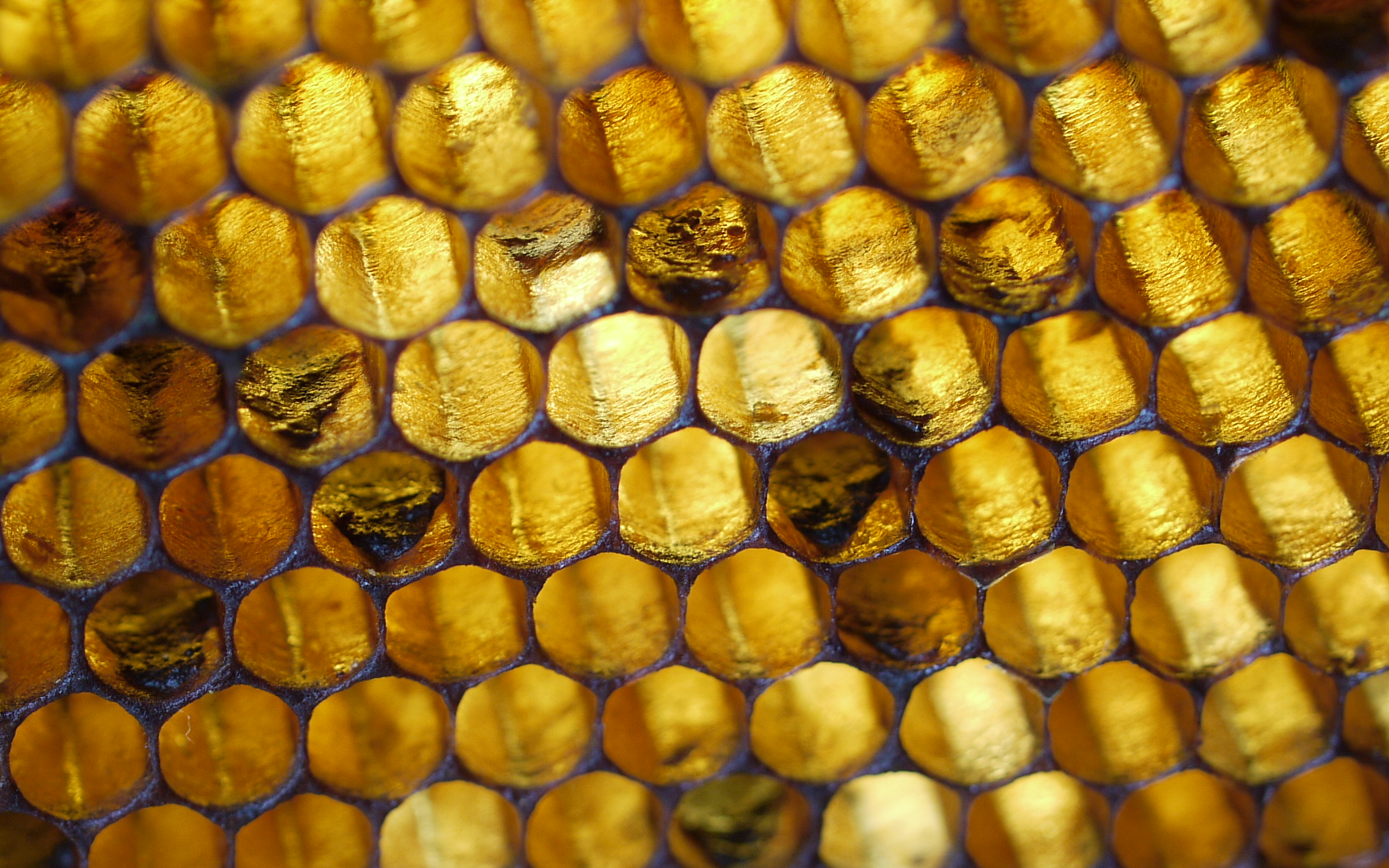
The June Gap does not remove swarm risk. Many colonies are still populous in June, especially after a strong spring build-up. Poor forage can also create a difficult mix: crowded hives, little incoming nectar and bees with less field work to do.
During inspections, check for queen cells. If you find charged swarm cells in a strong colony, manage them promptly using your normal swarm control method.
Be cautious about making extra splits during a forage shortage. A split needs bees, brood, food and attention. If you create small colonies during the gap, expect to feed them and protect them from robbing.
Requeening and uniting in June
June can be a good time to correct queen problems, provided drones are available and the colony is strong enough. A failing queen going into the summer flow can cost more than a missed honey crop; it can leave the colony weak going into late summer and autumn.
Consider requeening when you see:
- Persistently poor brood pattern
- Aggressive behaviour not explained by weather or handling
- Repeated queen failure
- A colony that has not recovered after adequate feeding
- Poor performance compared with colonies in the same apiary
For very weak colonies, uniting is often the better option. The newspaper method is widely used, but only unite healthy colonies. If disease is suspected, isolate and seek advice.
Varroa monitoring during the June Gap
Varroa pressure can make the June Gap worse by reducing the lifespan and effectiveness of foragers. A colony with high mite levels may look strong on the comb but fail to gather enough food when conditions improve.
Monitor rather than guess. Options include:
- Natural mite drop on a sticky board
- Sugar roll where appropriate
- Alcohol wash where used by experienced beekeepers
- Drone brood uncapping as an additional check
Each method has limitations, so use it consistently and record the result. A trend across several inspections is often more useful than a single number.
If mite levels are high, use only authorised treatments and follow the label exactly. Treatment choice in June is constrained by brood levels, temperature, colony condition and whether honey supers are present. Some products cannot be used with supers on, and oxalic acid treatments are most effective when little or no sealed brood is present.
Record the product, date, dose, batch number if available, and any follow-up mite counts.
Supering decisions during a June Gap
Supering in June requires judgement. Too much empty space can make a small colony harder to manage, but a strong colony with incoming nectar still needs room.
Use these principles:
- Do not remove brood-box stores to create crop space
- Do not super a colony that is short of food unless you are also addressing stores
- Add space when a strong colony is congested and nectar is clearly coming in
- Remove or mark any supers exposed to feeding so they do not enter the honey crop
- Prioritise colony survival over an early harvest
If you took spring honey after oilseed rape or blossom, be particularly careful. Colonies can be left with less reserve than they need for a poor June.
Moving hives to better forage
If you run movable apiaries, relocating colonies to better forage can help, but it must be planned. Suitable June forage may include lime, bramble, clover-rich pasture, sweet chestnut, borage, phacelia, large gardens, shelter belts and urban planting.
Before moving colonies, consider:
- Whether the new site genuinely has forage now, not just later
- Access, livestock, public footpaths and spray risk
- Water availability
- Disease restrictions and local bee health advice
- The practical “less than three feet or more than three miles” rule, unless using a managed relocation method
- Ventilation and secure closure during transport
Moving a weak or diseased colony is not a cure. Feed and assess it first, and never move colonies if foulbrood is suspected.
What to record during the June Gap
Short, accurate notes are one of the best tools you have in June. They help you spot colonies that are slipping before they become emergencies.
In Bee Hive Tracker, or in your own hive record system, note:
- Hive ID and apiary
- Date and weather
- Hive weight by hefting or scale reading
- Queen seen, not seen, marked or clipped
- Eggs and brood pattern
- Frames of brood
- Frames or estimated amount of sealed stores
- Pollen availability
- Feed given, type and quantity
- Robbing risk and entrance changes
- Disease concerns and photos if useful
- Varroa monitoring result
- Treatments applied
- Next action and review date
A good record does not need to be long. For example:
“Hive B12, 12 June: queen seen, blue mark. Eggs present, brood on 7 frames. Stores low, about 2 brood-frame equivalents. 2 kg fondant placed over crownboard hole with eke. Entrance reduced. No disease signs. Recheck 16 June.”
That note is enough to make the next visit purposeful.
June Gap inspection checklist
Take a simple checklist to the apiary and use it consistently.
- Heft hive: light, medium or heavy
- Check entrance activity and robbing risk
- Confirm queen status or eggs
- Assess brood pattern
- Count frames of brood
- Estimate sealed stores in the brood box
- Check pollen near the brood nest
- Look for queen cells
- Check for signs of foulbrood or abnormal brood
- Note varroa monitoring result or schedule a test
- Decide whether to feed
- Reduce entrance if needed
- Record next action and date
For weak or light colonies, revisit in 3 to 7 days rather than waiting for the next routine inspection.
Practical examples
Strong colony, little nectar coming in
A full colony has a good queen, brood on several frames and enough food in the brood box, but the supers are light and the weather forecast is mixed. In this case, avoid unnecessary disturbance. Leave brood-box stores in place, add space only if the bees are crowded, and recheck within a week.
Nuc low on stores after poor weather
A five-frame nuc has eggs and young brood but very little sealed food. Give fondant close to the bees or a small internal syrup feed if conditions are suitable. Reduce the entrance and recheck within a few days. If it continues to lose strength, consider whether the queen, disease or varroa is the underlying issue.
Queenless colony during a forage gap
A colony has no eggs, no queen seen and emergency cells. If it is strong and healthy, you may allow it to requeen or introduce a queen if available. If it is small and short of food, uniting with a healthy queenright colony may be the better decision. Feed and protect from robbing while you decide.
Suspicious brood
If brood looks abnormal and foulbrood is a possibility, stop. Close the hive, avoid transferring equipment, clean tools and contact the bee inspector. Fast official advice protects your bees and neighbouring apiaries.
Safety, legal and association advice
American foulbrood and European foulbrood are notifiable. Report suspected cases promptly through the National Bee Unit or your local bee inspector. Do not move colonies, brood frames or used equipment from a suspect hive until you have advice.
For varroa treatments, follow the manufacturer’s instructions and UK authorisations. Check temperature limits, colony strength requirements, honey-super restrictions and personal protective equipment requirements.
If you are unsure, ask an experienced beekeeper, your local association or a bee inspector. A second pair of eyes is especially valuable when judging stores, queen status and disease.
Key points for managing bees during the June Gap
- Treat the June Gap as a predictable nectar shortage, not a disaster
- Inspect with purpose: stores, queen, brood health and disease
- Feed promptly when stores are low
- Use fondant for low-risk emergency support
- Use syrup carefully and avoid contaminating honey supers
- Reduce entrances and prevent robbing
- Manage queen problems before they cost the summer flow
- Monitor varroa and plan treatment based on evidence
- Be conservative with early honey removal
- Keep concise records so every colony gets the right follow-up
Sources Used
- https://www.gov.uk/guidance/animal-diseases-notifiable-diseases-and-control-of-disease
- https://www.nationalbeeunit.com
- https://www.bbka.org.uk
- Local county beekeeping association advice pages and training resources
- Current UK varroa treatment labels and manufacturer guidance