How to Manage Bees in Autumn
Autumn beekeeping is about preparing colonies to survive winter, not about tidying up for the beekeeper. Once the main honey flow is over, your priorities are clear: reduce varroa before winter bees are damaged, make sure each colony has enough accessible stores, and protect the hive from wasps, mice, damp and avoidable disturbance.
For most UK beekeepers, autumn work begins in late August or September after the summer crop is removed. The exact timing depends on your area, weather, forage and whether your bees work late flows such as heather or ivy. Work with the colony and the season in front of you rather than the calendar alone.
Good notes matter at this point in the year. Record queen status, brood condition, stores, feeding, treatments and any concerns in Bee Hive Tracker so you can see what was done, when it was done, and how each colony comes through winter.
When does autumn beekeeping start?
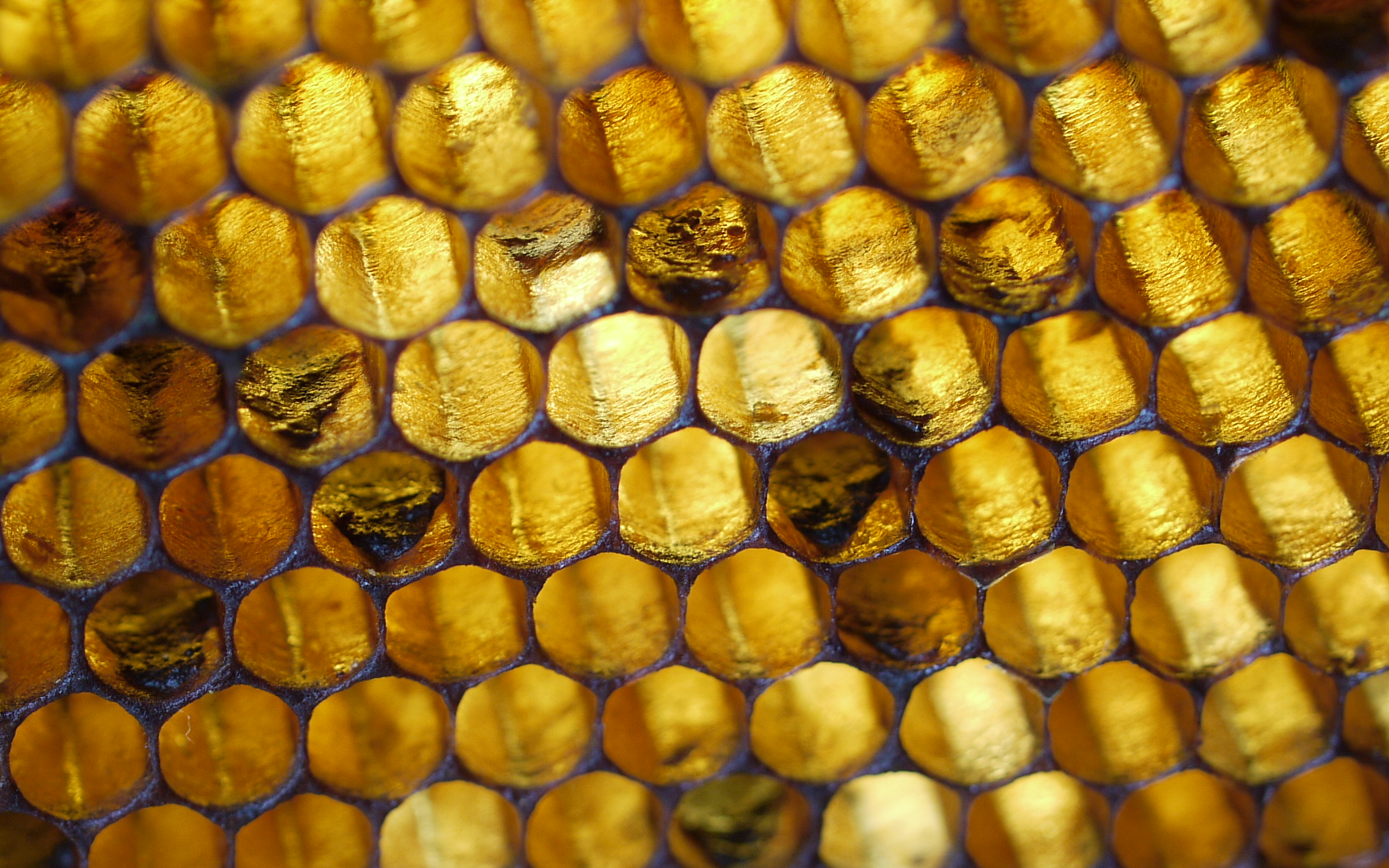
In practical terms, autumn starts when the main nectar flows wind down and honey supers come off. In many parts of the UK this is August or September, although upland, northern and coastal sites may differ, and some areas have useful late forage.
Autumn management begins once you are no longer building the colony for honey production. Your focus changes to:
- assessing colony strength
- checking the queen and brood pattern
- estimating winter stores
- treating or monitoring varroa
- feeding if required
- reducing entrances where needed
- fitting mouse guards
- deciding whether weak colonies should be united
- preparing equipment and comb for storage
Do the main work early enough while bees are still active and weather allows short, sensible inspections. Late autumn is a poor time to solve problems that could have been dealt with in September.
The key autumn inspection
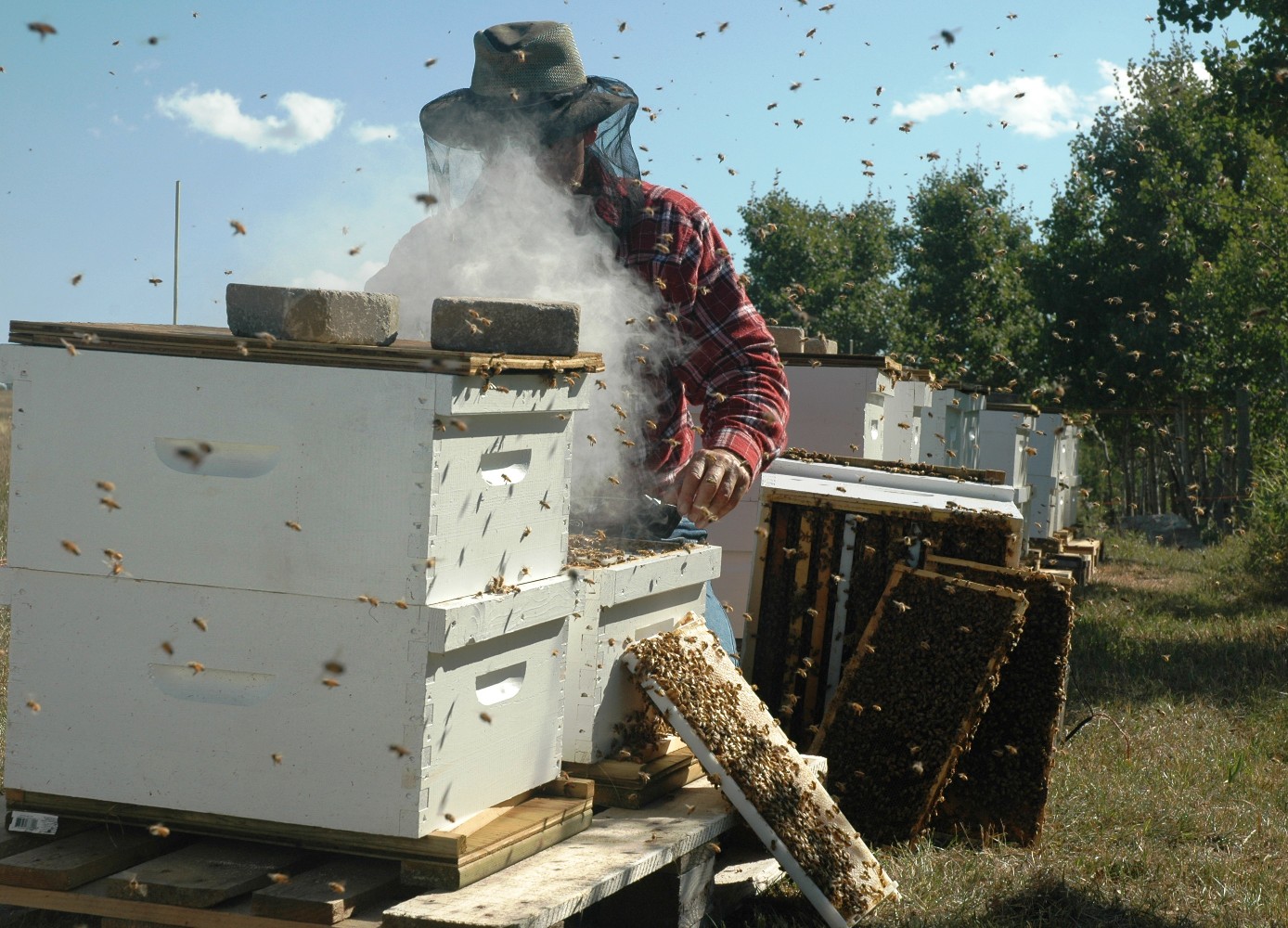
Aim to carry out one thorough but efficient inspection after the main flow has finished and before cool, unsettled weather becomes regular. Choose a mild, calm day when flying bees are active. Avoid opening colonies in cold, wet or windy conditions unless there is a clear need.
During this inspection, check the essentials.
Queen status
Look for eggs, young larvae and a reasonable brood pattern. You do not always need to see the queen if there is clear evidence that she is laying.
Note:
- whether the queen is present and laying
- whether the brood pattern is compact or failing
- any signs of supersedure
- queen age, if known
- whether the colony is queenless, drone-laying or unusually aggressive
A failing queen discovered early in autumn may still be dealt with. A queen problem found late in the season is often better managed by uniting the colony rather than attempting a risky late requeening.
Brood health
Healthy brood should have a reasonably even pattern, normal cappings and larvae that look pearly white and well fed. Be alert for signs of brood disease, including:
- sunken, perforated or greasy-looking cappings
- discoloured larvae
- ropiness or unpleasant smell
- patchy brood with dead larvae
- scale-like remains in cells
If you suspect American foulbrood, European foulbrood or any notifiable disease, stop moving frames between colonies and contact your local Bee Inspector or the National Bee Unit for advice.
Colony strength
Assess how many frames are covered with bees and whether the colony has enough young bees to form a winter cluster. A large colony with good stores and a laying queen is usually worth supporting. A small, queenless or heavily diseased colony may not be.
Weak colonies should be assessed honestly. Feeding alone will not fix poor queen status, severe varroa damage or disease.
Stores
Estimate how much food the colony has and whether it is positioned where bees can access it. Stores should be close to the brood nest and available above or around the winter cluster.
Use a combination of:
- visual assessment of frames
- hive hefting
- previous records
- local knowledge of your hive type and bee strain
Bee Hive Tracker notes are useful here because they let you compare feed given, autumn hive weight and winter outcome over several seasons.
Varroa signs
Check for visible symptoms of varroa and associated viruses, including:
- bees with deformed wings
- crawling bees near the entrance
- poor brood pattern
- uncapped or chewed brood
- unexpectedly weak colonies after summer
Visible symptoms usually mean the problem is already advanced. Monitoring and timely treatment are more reliable than waiting for signs of damage.
Winter stores: how much food do bees need?
The amount of stores needed depends on region, hive type, colony size, bee strain, exposure and length of winter. A sheltered lowland colony may need less than a large colony on an exposed upland site.
As a broad UK guide, many full-size colonies should go into winter with around 18–24 kg of stores. In colder, exposed or late-spring areas, aim towards the higher end. Smaller colonies and nucs need less total food but are more vulnerable because they have a smaller cluster and less margin for error.
These figures refer to usable stores, not simply the total weight of the hive.
How to assess stores without over-opening
Hefting is one of the most useful autumn skills. Lift the back or side of the hive slightly and learn what “heavy enough” feels like for your equipment. Compare colonies in the same apiary.
If you need to open the hive, be brief. Check edge frames and the arrangement of stores, then close up. Repeated autumn inspections waste heat, break propolis seals and increase robbing risk.
Signs a colony may be short of stores include:
- light hive when hefted
- little sealed honey around the brood nest
- bees clustered high in the hive unusually early
- heavy feeding response in mild weather
- previous records showing low stores or poor forage
Feeding bees in autumn
Feed early, feed properly and stop liquid feeding before it becomes too cold for bees to process syrup.
Thick syrup for autumn feeding
For late summer and early autumn feeding, use thick syrup, commonly made at about 2 parts white granulated sugar to 1 part water by weight or volume. Thick syrup is easier for bees to ripen and store than thin spring syrup.
Use a rapid feeder, contact feeder or other enclosed feeder that suits your hive. Avoid spilling syrup around the apiary, as this can trigger robbing and wasp attention.
Feed syrup while temperatures are still warm enough for bees to take it down and reduce the water content. In many UK areas this means completing most liquid feeding by October, though local weather varies.
Do not feed brown sugar, molasses or unsuitable kitchen sugars. They can contain impurities that are harmful to bees.
Fondant for cold weather
Once nights are cold and bees are less able to process syrup, use fondant or a suitable solid bee feed. Place it directly over the cluster, usually above the feed hole or under an eke, so bees can reach it without travelling far.
Fondant is useful for:
- emergency winter feeding
- topping up colonies that are slightly light
- supporting nucs or smaller colonies
- periods when opening the hive is not appropriate
Check that fondant remains accessible. Bees can starve in a hive with food present if it is too far from the cluster during cold weather.
Feeding precautions
When feeding in autumn:
- feed in the evening if robbing is a risk
- reduce entrances on weak colonies
- avoid syrup spills
- do not leave feeders exposed
- check that the feeder is bee-tight
- record the amount and date of each feed
Bee Hive Tracker can help you identify colonies that repeatedly need heavy autumn feeding and those that winter well with less intervention.
Varroa control in autumn
Varroa management is one of the most important autumn jobs. The bees raised in late summer and autumn are the bees that must carry the colony through winter. If they are weakened by varroa and viruses, the colony may dwindle or collapse even if it has plenty of food.
The aim is to reduce mite levels before winter bees are seriously affected, then consider a broodless winter treatment where appropriate.
Timing autumn varroa treatment
In most cases, remove honey supers intended for human consumption before applying autumn varroa treatments, unless the product label specifically permits otherwise. Always follow the current UK product authorisation and label instructions.
Autumn treatments are commonly applied after the summer crop is removed, often in late August or September. The exact timing should consider:
- mite levels
- whether brood is present
- treatment temperature requirements
- honey supers
- colony strength
- local forage and weather
- previous treatment history
Do not leave varroa treatment so late that winter bees have already been damaged.
Choosing a varroa treatment
Use only veterinary medicines authorised for bees in the UK and follow the label. Common active ingredients and treatment types include thymol, formic acid, amitraz and oxalic acid products, but availability, instructions and permitted uses can change.
Different products have different constraints:
- thymol products need suitable temperatures to work well
- formic acid products can be temperature-sensitive and require careful use
- amitraz strips depend on correct placement and treatment duration
- oxalic acid is most effective when there is little or no sealed brood
Rotate approaches where appropriate and avoid repeated misuse of the same active ingredient, as poor practice increases the risk of treatment failure and resistance.
If unsure, ask your local association, Seasonal Bee Inspector or the National Bee Unit for current advice.
Monitoring varroa
Monitoring helps you decide whether treatment is needed and whether it has worked. Useful methods include:
- sticky boards for natural mite drop
- sugar roll or alcohol wash where the beekeeper is trained and confident
- checking brood and adult bees for virus symptoms
- comparing post-treatment mite drop between colonies
A 300-bee sample showing around 3% infestation is often treated as a warning level in autumn, but thresholds are not absolute. Colony condition, time of year, treatment history and local guidance all matter.
After treating, record:
- product name
- active ingredient
- batch or lot number if available
- date applied
- date removed, where relevant
- dose and method
- mite drop or monitoring result
- weather conditions if relevant
- colony reaction
This is exactly the kind of record that pays off. A searchable Bee Hive Tracker treatment history helps you see which colonies repeatedly carry high mite loads and which treatment timings worked best.
Winter oxalic acid treatment
Many UK beekeepers apply oxalic acid during the broodless or near-broodless period, often in December or January. This can be highly effective because most mites are on adult bees rather than protected under sealed brood cappings.
Only use authorised oxalic acid products and follow the label for trickling, sublimation or other approved methods. Wear the correct personal protective equipment, particularly when using vapour or sublimation methods.
A winter oxalic treatment is not a substitute for timely autumn control. If mite levels are high in September, waiting until winter may be too late to protect winter bees.
Requeening in autumn
A young, well-mated queen going into autumn is a major advantage, but timing matters. Requeening is best done in late summer or early autumn while drones and suitable weather are still available and colonies are active enough to accept a queen.
Consider requeening if:
- the queen is old and failing
- the brood pattern is poor without an obvious disease cause
- the colony is persistently aggressive
- the colony has undesirable traits
- there are repeated queen problems in your records
Late autumn is usually too late to rely on mating or queen introduction. If a colony is queenless or failing at that stage, uniting is often the safer option.
Uniting weak colonies
Autumn is a good time to unite colonies that are unlikely to survive alone. A weak colony can consume time, feed and equipment yet still fail in winter. Combining it with a stronger colony can produce one viable unit instead of two poor ones.
Before uniting, check:
- both colonies are healthy
- neither has suspected foulbrood
- varroa status is known
- the queen you want to keep is identified
- there are enough stores after uniting
The newspaper method is widely used. Place the weaker colony above the stronger colony with a sheet of newspaper between the boxes. Make a few small slits or holes in the paper. The bees chew through gradually, allowing odours to mix and reducing fighting.
Do not unite a diseased colony with a healthy one. If disease is suspected, seek advice first.
Autumn nucs and small colonies
Nucleus colonies can be overwintered successfully, but they need careful management. They have less cluster size, less food reserve and less tolerance for mistakes.
For nucs and small colonies:
- ensure the queen is laying well
- feed early and monitor stores closely
- reduce entrances against wasps and mice
- insulate appropriately
- keep them sheltered from wind and wet
- avoid unnecessary disturbance
Making new nucs late in autumn is usually risky unless you have a clear plan, suitable queens, enough bees, and experience with overwintering small units.
Protecting hives from wasps and robbing
Wasps can cause serious pressure in late summer and early autumn, especially on small or weak colonies. Robbing by other honey bees is also a risk when nectar is scarce.
To reduce problems:
- keep inspections short
- avoid spilling syrup or honey
- feed inside the hive
- reduce entrances on weaker colonies
- keep colonies strong where possible
- store wet supers securely
- avoid leaving exposed comb in the apiary
Wasp traps may help when placed away from hives. Do not bait traps right beside colonies, as this can attract more wasps into the apiary.
A strong colony with a defendable entrance is usually the best wasp defence.
Mouse guards and entrance management
Fit mouse guards before mice start looking for winter shelter, often from September or October depending on the site. Mice can cause severe damage to comb, stores and equipment, and bees may be unable to drive them out once clustered.
Use a proper mouse guard or entrance arrangement that allows bees to pass while excluding mice. Check that dead bees do not block the entrance during winter.
Entrance reduction is also useful for weak colonies and during wasp pressure, but avoid making the entrance so small that ventilation and cleansing flights are compromised.
Ventilation, damp and insulation
Bees can tolerate cold far better than damp, but the answer is not to create a draughty hive. The goal is a dry, stable environment with enough ventilation to prevent harmful moisture build-up and enough insulation to reduce heat loss.
Good autumn preparation includes:
- sound roofs with no leaks
- hives raised off wet ground
- stands that are stable and level
- insulation above the crownboard where appropriate
- clear entrances
- avoiding large gaps that cause draughts
- ensuring moisture does not drip directly onto the cluster
Many UK beekeepers use open mesh floors successfully. Some use insulated crownboards, quilts or roof insulation. Management varies, but the principle is the same: prevent leaks, reduce condensation above the bees, and avoid trapping damp air in a poorly designed setup.
Do not seal a hive completely. Equally, do not over-ventilate it so the cluster has to work harder all winter.
Securing hives for autumn and winter weather
Autumn storms can shift roofs, blow over lightweight hives and expose colonies at the worst time of year.
Before winter:
- strap hives securely
- weigh down roofs if needed
- check stands are firm
- clear vegetation from entrances
- protect exposed apiaries from livestock
- consider windbreaks on open sites
- ensure water does not pool under hives
If woodpeckers are a problem locally, fit guards before damage starts. Green woodpeckers can attack hives in winter, especially during hard weather.
Theft and vandalism are less common but worth considering. Mark equipment, keep photos and hive records, and avoid advertising valuable apiary locations unnecessarily.
Comb and equipment after the honey harvest
Once honey supers are removed, deal with them promptly. Do not leave stacks of comb exposed, as they attract robbers, wasps and wax moth.
After extraction:
- return wet supers briefly for cleaning only if safe and managed carefully
- store supers dry and pest-proof
- freeze vulnerable comb if wax moth is a concern
- repair damaged frames
- clean feeders after use
- scrape excess brace comb and propolis from equipment when appropriate
- label equipment that needs attention in spring
Avoid major brood comb rearrangement late in autumn. If old, dark or damaged brood comb needs replacing, note it and plan the work for spring when the colony is expanding.
Disease checks and notifiable conditions
Autumn is not the time to ignore doubtful brood. Disease problems carried into winter often become dead colonies or a source of infection in spring.
American foulbrood and European foulbrood are notifiable in the UK. If you suspect either, contact your local Bee Inspector or the National Bee Unit. Do not shake bees out, move frames between colonies, sell equipment, or transfer comb elsewhere while awaiting advice.
Good hygiene helps reduce disease spread:
- avoid moving brood frames between colonies unless necessary
- clean hive tools between suspect colonies
- use disposable gloves or wash gloves regularly
- keep dead-outs closed until inspected
- do not feed honey of unknown origin to bees
- keep accurate records and photos of concerns
Bee Hive Tracker can be used to store disease observations, photos, inspection notes and follow-up actions for each hive.
Late autumn and early winter management

Once cold weather sets in, keep interference to a minimum. Opening a hive in poor conditions breaks the bees’ winter arrangement and costs energy.
From late autumn onwards:
- check entrances from outside
- make sure mouse guards are clear
- heft hives occasionally to assess stores
- add fondant if a colony feels light
- check roofs and straps after storms
- avoid removing frames unless essential
- record observations without disturbing bees
On mild, calm days you may see cleansing flights. A lack of flying on a cold day does not mean a colony is dead. Judge with care and avoid unnecessary knocking or opening.
Autumn beekeeping checklist
Late August to September
- Remove honey supers after the main flow.
- Carry out a full autumn inspection.
- Check queen status, brood health, colony strength and stores.
- Monitor varroa and apply an authorised treatment if needed.
- Start feeding thick syrup if stores are low.
- Reduce entrances where wasps or robbing are a problem.
- Decide whether weak colonies should be united.
- Record all findings and actions.
September to October
- Continue feeding until colonies have enough stores.
- Complete autumn varroa treatment according to the label.
- Fit mouse guards before mice become active.
- Store extracted supers securely.
- Monitor wasp pressure.
- Unite weak or queenless colonies while weather still allows.
- Check roofs, stands and hive security.
October to November
- Finish liquid feeding where possible.
- Switch to fondant if colonies need support in colder weather.
- Add roof insulation or moisture control if part of your system.
- Avoid unnecessary inspections.
- Heft hives to identify light colonies.
- Ensure entrances are clear and protected.
December to January
- Consider oxalic acid treatment if the colony is broodless or near broodless and treatment is appropriate.
- Use only authorised products and correct PPE.
- Keep checks external unless there is a genuine need.
- Add fondant over the cluster if stores are low.
- Check hives after storms.
February to March
- Continue monitoring stores.
- Feed fondant if colonies are light.
- Wait for suitable weather before the first proper inspection.
- Look for early laying when conditions allow.
- Review winter records and plan spring comb replacement.
Common autumn mistakes
Avoid these frequent problems:
- treating varroa too late
- assuming visible virus signs are an early warning
- taking too much honey and underfeeding
- feeding thin syrup in cold weather
- repeatedly opening colonies in autumn
- trying to overwinter hopelessly weak colonies
- uniting colonies without checking for disease
- leaving entrances open during wasp pressure
- fitting mouse guards too late
- failing to record treatment dates and feed amounts
Autumn success is usually built on timely, practical decisions rather than complicated interventions.
Final autumn priorities
If you do nothing else, focus on these actions:
- Complete one careful post-harvest inspection.
- Confirm queen status and colony strength.
- Reduce varroa early enough to protect winter bees.
- Ensure adequate winter stores.
- Feed early if needed.
- Unite colonies that are too weak to overwinter.
- Fit mouse guards and manage wasp pressure.
- Keep hives dry, secure and protected from weather.
- Avoid unnecessary winter disturbance.
- Keep clear records for each colony.
Autumn beekeeping is about giving bees the best possible start to winter. Colonies that enter winter healthy, well fed, low in varroa and headed by a sound queen are far more likely to build strongly in spring.
Sources Used
- UK beekeeping practice and seasonal management principles.
- National Bee Unit guidance on honey bee health, foulbrood and varroa management.
- UK veterinary medicine label requirements for authorised bee treatments.
- Practical experience from UK seasonal colony management and overwintering.