How to Prepare Bees for Winter
Preparing bees for winter is mainly autumn work. By the time cold weather arrives, your colonies should have healthy winter bees, low Varroa pressure, enough accessible stores, a sound queen, a weatherproof hive and an entrance they can defend.
For most UK beekeepers, the critical window is August to October, with only light checks and emergency feeding from November onwards. Exact timing depends on your area, altitude, forage, late flows such as heather or ivy, and the weather in that particular season.
Why winter preparation matters
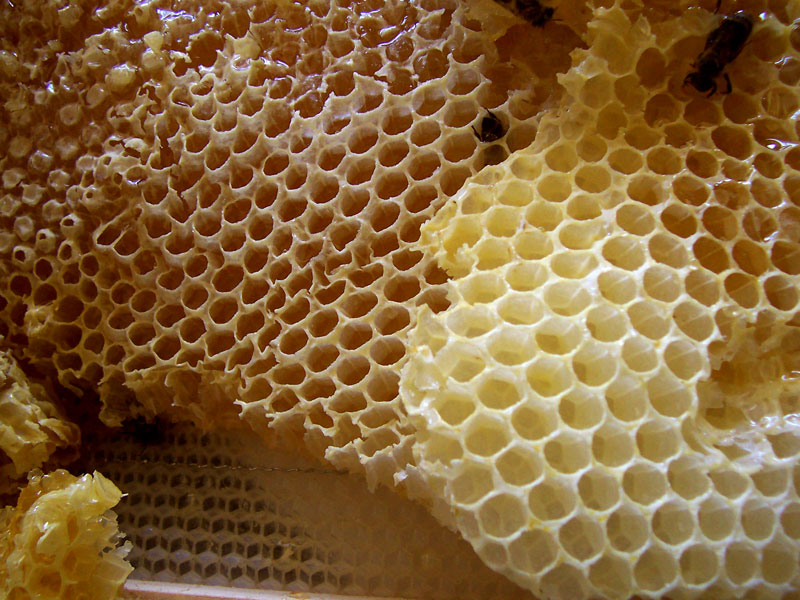
A colony’s winter survival is usually decided before winter starts. Late summer and autumn management affects:
- the health and lifespan of the winter bees
- the colony’s ability to form a strong cluster
- whether stores are close enough for bees to reach in cold weather
- Varroa and virus levels going into winter
- whether the queen is good enough for spring build-up
Small, well-timed jobs in late summer are far more useful than major disturbance in January.
Start with a thorough late-summer inspection
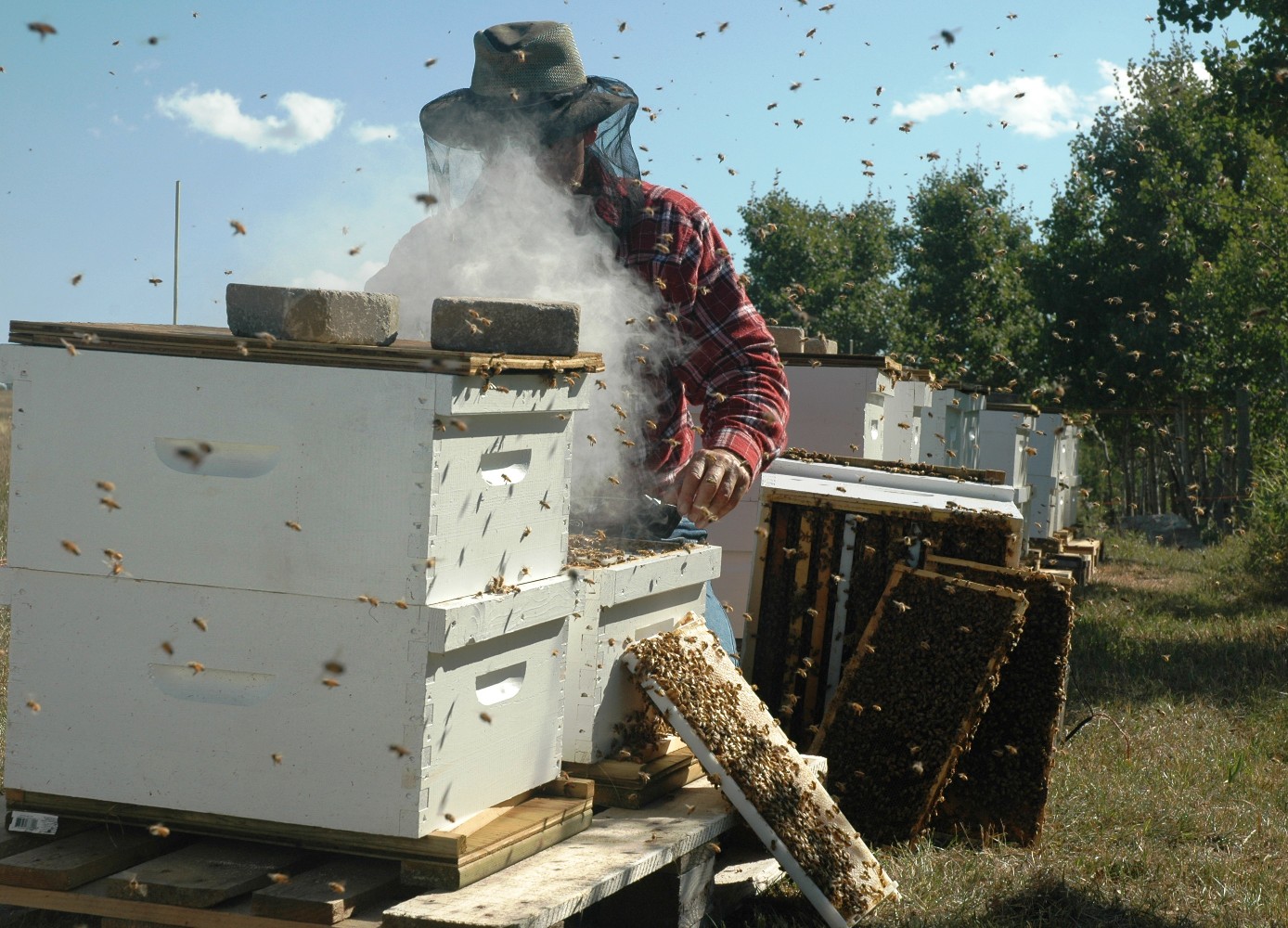
Choose a warm, calm day when bees are flying well. This is often your last proper opportunity to inspect brood, queen performance and stores without chilling the colony.
Check and record:
- Queen status: eggs, young larvae, laying pattern and any signs of supersedure
- Brood pattern: even, healthy brood or patchy brood that needs investigation
- Colony strength: how many frames of bees are covered
- Stores: sealed honey, nectar and pollen available in the brood box
- Varroa level: recent mite drop, sugar roll, alcohol wash or other monitoring results
- Disease signs: abnormal larvae, sunken cappings, chalkbrood, dysentery, unusual odour or dwindling
- Temperament: sudden defensiveness can point to queen problems, robbing pressure or disturbance
- Equipment condition: roof, crownboard, floor, stand, strap, brood box joints and entrances
Make these notes while you are at the hive, not later from memory. Bee Hive Tracker is useful here because you can attach dates, photos, treatment records and follow-up actions to the correct colony.
How much food do bees need for winter?
There is no single number that suits every colony, but a full-sized UK colony should normally go into winter with a substantial reserve of sealed stores.
As a practical guide for a National hive, aim for around 18 to 25 kg of stores for a full colony, with the higher end more appropriate for exposed, northern, upland or long-winter sites. In frame terms, this is often roughly the equivalent of 8 to 12 full brood frames of sealed stores, though frame type and hive configuration affect the calculation.
Smaller colonies and nucs need less in total but have less margin for error. They should be well packed with stores for their size and checked more carefully.
Good winter stores should be:
- mostly sealed
- close to the cluster
- not separated from the bees by a queen excluder
- sufficient for local winter conditions
- topped up before temperatures are too low for syrup feeding
If you leave a super of stores on for the bees, remove the queen excluder. Otherwise the cluster may move up to the food while the queen is left below.
Feeding bees for winter
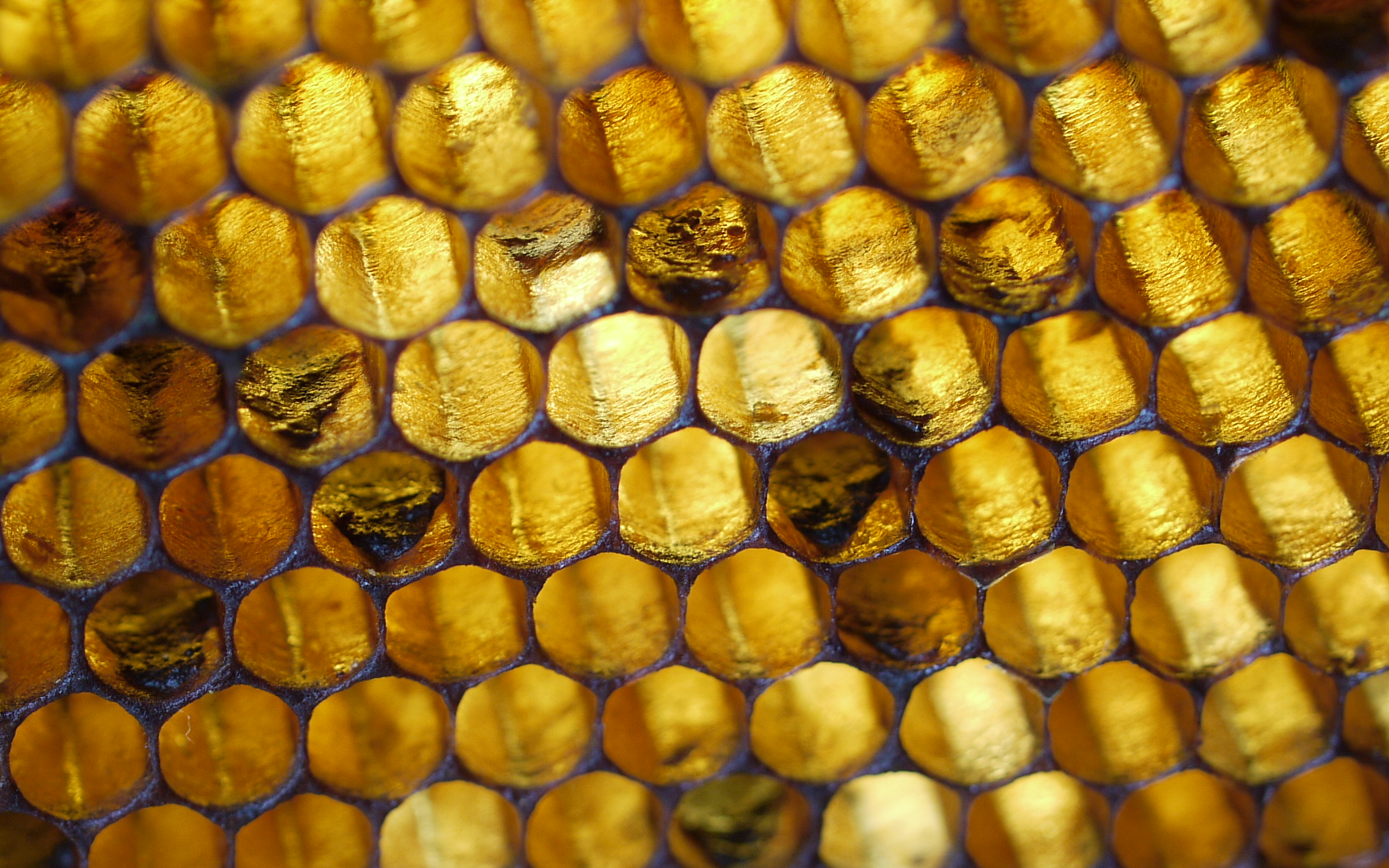
Autumn syrup feeding
If a colony is short of stores in late summer or early autumn, feed thick syrup while temperatures are still warm enough for bees to take it down, process it and seal it.
Use white granulated sugar only. A common autumn mix is 2:1 syrup by weight, meaning two parts sugar to one part water. For example, 2 kg sugar to 1 litre of water.
Avoid:
- brown sugar, raw sugar or molasses-based sugar
- fermented syrup
- open feeding, which encourages robbing
- feeding honey from unknown sources, due to disease risk
- leaving feeders leaking around the apiary
Feed internally using a contact feeder, rapid feeder, frame feeder or hive-top feeder. Reduce entrances during feeding, especially in September when wasps and robbing bees can be a serious problem.
Do not put supers intended for human consumption back on while feeding syrup, or they may become contaminated with sugar syrup.
When to stop syrup feeding
Syrup feeding becomes less useful as temperatures drop. If bees cannot take syrup down and dry it properly, it can ferment or leave the colony with unsuitable stores.
As a rule of thumb, once daytime temperatures are consistently low and bees are no longer active enough to process syrup, switch to fondant.
Also check the instructions for any Varroa treatment you are using. Some products have specific guidance on feeding during treatment.
Winter fondant feeding
Fondant is the safest emergency food for cold weather. Place it directly above the cluster, usually over the feed hole or under an eke so the bees can reach it without travelling far.
Use bee fondant or plain baker’s fondant. For a light colony, start with 2 to 4 kg and check again without unnecessary disturbance. In very cold weather, avoid opening the brood box unless the colony is at immediate risk of starvation.
Record the amount and date of every feed. This helps you spot colonies that burn through stores quickly and may need different management next year.
Varroa control before winter
Varroa management is one of the most important parts of preparing bees for winter. High mite levels in late summer lead to virus-damaged winter bees, which often fail before spring.
The aim is to reduce Varroa before and during the period when winter bees are being reared.
Monitor before treating
Useful monitoring methods include:
- natural mite drop on a monitoring board
- sugar roll or alcohol wash, if you are trained and comfortable using them
- uncapping drone brood earlier in the season
- reviewing previous treatment results and colony history
Do not rely on guesswork. A colony can look strong in August and still collapse later if mite and virus levels are high.
Common autumn treatment options
Use only authorised products and follow the manufacturer’s label exactly. Do not treat with honey supers on unless the product specifically allows it. Keep records of all veterinary medicines used.
Common approaches in the UK include:
- Thymol-based treatments: often used after honey removal while temperatures remain suitable. They require the correct temperature range and treatment duration.
- Formic acid products: can affect mites under cappings but must be used carefully, especially in hot weather or on vulnerable colonies.
- Oxalic acid products: most effective when little or no brood is present, because oxalic acid mainly targets phoretic mites on adult bees. Many beekeepers use an authorised oxalic treatment in the broodless period, often in winter.
- Pyrethroid strips: still used in some places, but resistance is widespread in many areas, so they should not be used routinely without considering local effectiveness.
After treatment, monitor again where practical. Record the product, batch number, dose, start and finish dates, method, colony ID and result. Bee Hive Tracker can keep these treatment records alongside your inspection notes, which is helpful for both traceability and future planning.
Check queen quality and colony strength
A winter colony needs enough healthy bees and a queen capable of leading the spring build-up.
Warning signs include:
- a very patchy brood pattern
- repeated queenlessness
- drone brood in worker cells
- a dwindling population
- poor temperament combined with poor brood
- very small clusters going into autumn
If a queen is clearly failing, late summer is usually a better time to act than spring. Options include requeening, uniting with another colony, or using the bees and stores to strengthen a better unit.
Very weak colonies rarely improve over winter. If they are healthy but too small, unite them with a stronger colony using a standard newspaper method. Do not unite any colony showing suspicious disease signs.
Watch for disease before uniting or moving frames
American foulbrood and European foulbrood are notifiable diseases in the UK. If you see suspicious brood, stop manipulating frames between colonies and seek advice from your local bee inspector.
Possible warning signs include:
- sunken or perforated cappings
- dead larvae in unusual positions
- ropy remains when tested appropriately
- unpleasant brood smell
- uneven brood pattern that cannot be explained by queen performance alone
- colonies dwindling despite adequate food
Do not move brood frames, combs or equipment from a suspect colony into another hive. Record what you saw, take clear photos if safe to do so, and contact the appropriate inspector or your local association for guidance.
Prepare the hive itself
Winter preparation is not about wrapping the hive up tightly. It is about keeping the colony dry, secure, well supplied and free from draughts and pests.
Remove surplus supers
When your main nectar flow has finished and the honey is ready, remove surplus supers. In heather areas or where ivy is important, timing may be later.
If a box of stores is left for the bees, make sure the bees can access it. Remove any queen excluder for winter.
Fit mouseguards and entrance reducers
Fit mouseguards before mice start looking for warm shelter, often from early autumn onwards. Mice can destroy comb, eat stores and seriously weaken a colony.
Entrance reducers help colonies defend against wasps, robbing bees and other intruders. Make sure the entrance remains large enough for normal traffic on warm days and does not become blocked with dead bees in winter.
Improve weather protection
Check that:
- roofs are sound and weighted or strapped
- hives are secure against wind
- stands are stable and off wet ground
- entrances are not blocked by grass or leaves
- the hive slopes slightly forward so rainwater can drain away
- woodpecker protection is in place where needed
In exposed areas, strapping hives to stands is often worth doing before the first storms.
Manage insulation and ventilation sensibly
A cold colony can survive if it is dry and well fed. A wet colony is in trouble.
Insulating the roof is often useful because it reduces heat loss above the cluster and can limit condensation dripping back onto the bees. Many beekeepers use a block of insulation above the crownboard or a quilt box, depending on hive type.
Avoid creating strong draughts through the hive. Good practice is to prevent trapped moisture while keeping the colony sheltered. If you use open mesh floors, many beekeepers leave them open for ventilation except when monitoring mite drop, though local conditions and hive type matter.
Do not wrap hives in non-breathable materials in a way that traps moisture. If using external protection, ensure it does not block entrances or create damp.
Manage wasps, robbing and late-season stress
Late summer and early autumn are high-risk periods for robbing, especially after honey removal or during feeding.
To reduce problems:
- keep inspections short
- avoid spilling syrup
- feed in the evening where practical
- reduce entrances on weaker colonies
- do not leave wet supers or exposed comb near the apiary
- clear up brace comb and scraps of honey
- inspect all colonies in an apiary efficiently rather than leaving one open for too long
Wasps can overwhelm weak colonies. Traps may help reduce pressure, but strong colonies, small entrances and tidy feeding are the best defence.
Preparing nucs for winter
Nucs can overwinter well, but only if they are genuinely strong for their box size.
A winter nuc should have:
- a good queen
- enough bees to cover the combs
- adequate stores
- Varroa treatment appropriate to its size and brood status
- insulation suited to the box
- protection from damp and wind
Do not overwinter a nuc simply because it exists. A small nuc with a poor queen is often better united with another colony before cold weather arrives.
Keep nuc records carefully: queen origin, number of frames of bees, stores, feed, Varroa treatment and any disease concerns.
Month-by-month UK winter preparation timetable
July
- Monitor Varroa levels
- Continue swarm and queen management
- Check colony strength after the main flow
- Plan honey removal and autumn treatments
- Make decisions about weak queens while there is still time
August
- Remove surplus honey once the local flow has finished
- Carry out a detailed colony assessment
- Treat for Varroa if needed and conditions suit the product
- Requeen or unite colonies that are unlikely to winter well
- Start feeding colonies that are short of stores
September
- Continue autumn feeding where necessary
- Keep entrances reduced against wasps and robbing
- Complete Varroa treatments that require warmer conditions
- Check that stores are building
- Avoid excessive disturbance as brood rearing slows
October
- Fit mouseguards if not already fitted
- Check hive weight and stores
- Add insulation or quilt arrangements if you use them
- Make sure roofs, straps, stands and entrances are secure
- Switch to fondant if syrup feeding is no longer suitable
November
- Avoid full inspections unless essential
- Heft colonies to assess weight
- Add fondant to light colonies
- Check hives after storms
- Keep entrances clear
December to February
- Minimise disturbance
- Heft periodically in mild spells
- Feed fondant if colonies feel light
- Apply authorised winter Varroa treatment if appropriate and conditions match the label
- Clear blocked entrances gently
- Check for storm damage, flooding or woodpecker attack
March
- Continue watching stores, as colonies can starve during spring build-up
- Add fondant if needed
- Wait for suitable weather before full inspections
- Review winter notes and plan spring management
Midwinter checks and emergency feeding
Do not open hives routinely in winter. A quick external check often tells you enough.
Look for:
- blocked entrances
- storm damage
- signs of woodpecker attack
- hives knocked out of level
- very light colonies when hefted
- dead bees accumulating in unusual quantities
- damp or water ingress
If a colony is light, feed immediately with fondant. Place it where the bees can reach it easily, directly above the cluster if possible. Do not wait for the next planned inspection if starvation is likely.
If the hive is wet inside, correct the cause quickly: roof leak, poor drainage, blocked entrance, trapped condensation or unsuitable covering.
Common mistakes to avoid
- Leaving Varroa treatment too late to protect winter bees
- Guessing stores instead of checking weight or frames
- Feeding thin syrup too late in cold weather
- Leaving a queen excluder between bees and winter food
- Over-opening hives in winter
- Uniting a diseased colony with a healthy one
- Using treatments outside label instructions
- Forgetting mouseguards until damage is already done
- Failing to record what was fed or treated
What to record before winter
Good records make winter losses easier to understand and surviving colonies easier to manage in spring.
Record:
- hive ID and apiary location
- queen age, origin and performance
- brood pattern and colony strength
- stores by frame estimate or hive weight
- feed type, quantity and dates
- Varroa monitoring results
- treatment product, batch number, dose and dates
- disease observations and photos
- equipment changes, such as mouseguards or insulation
- next action and target date
Bee Hive Tracker is a practical place to keep these notes because winter preparation is spread over several visits. A short, accurate record after each inspection is more useful than a long reconstruction weeks later.
Final winter preparation checklist
Before you leave colonies for winter, confirm that each one has:
- a laying, healthy queen or a sensible uniting plan
- enough bees to form a viable cluster
- sufficient accessible stores
- Varroa under control
- no signs of notifiable disease
- mouseguard fitted
- entrance reduced appropriately
- sound roof and dry interior
- secure stand and straps
- clear entrance and drainage
- fondant plan for lighter colonies
- complete feeding and treatment records
Winter success is rarely about one dramatic intervention. It comes from getting the basics right in time: healthy bees, low mites, enough food, dry hives and calm, minimal disturbance through the coldest months.
Sources Used
- National Bee Unit BeeBase guidance on honey bee pests, diseases and Varroa management
- UK veterinary medicine product labels and manufacturer instructions for authorised honey bee treatments
- British Beekeepers Association seasonal and husbandry guidance
- Standard UK beekeeping practice and field experience