How to Stop a Swarm Leaving Again
Short answer
To stop a swarm leaving again, you must change the colony’s situation, not just remove a few queen cells. Check whether the queen is present, assess the number and stage of queen cells, relieve brood-nest congestion, and use a recognised swarm-control method such as an artificial swarm, nuc split or Demaree where appropriate.
If you have just hived a captured swarm, give it conditions that encourage it to stay: a suitable box, ventilation, drawn comb if available, a small entrance, and feed if needed. Re-check at the right time and keep clear records of queen status, queen cells, frames moved and next actions. Bee Hive Tracker is useful here because swarm control often involves several colonies, spare boxes and timed follow-up inspections.
Why bees try to swarm
Swarming is the natural reproduction of a honey bee colony. A strong colony builds up in spring, raises queen cells, and the old queen usually leaves with a large proportion of the flying bees as the prime swarm. The parent colony then raises a replacement queen. If several virgin queens emerge and the colony remains strong, cast swarms may follow.
Swarming is influenced by several factors, including:
- A crowded brood nest
- Lack of empty comb for the queen to lay in
- Heavy nectar backfilling brood comb
- Strong numbers of young bees
- Queen pheromone distribution becoming less effective in a large colony
- Weather and forage conditions
- Genetics and queen age
The important point is that swarming is a colony-level behaviour. Once the bees are well advanced, especially once queen cells are sealed, simply cutting out cells is rarely reliable. You need to change the physical and social balance of the colony.
When swarming happens in the UK
The main UK swarm season is usually from late April to the end of June, with the heaviest pressure often in May and early June. The exact timing varies with local weather, forage and colony strength.
Be especially alert during:
- Warm settled spells after a cold spring
- Oilseed rape, hawthorn, sycamore and early lime flows
- Periods when brood boxes fill rapidly with nectar
- Any week when inspections have been delayed by poor weather
Cast swarms can still occur in July and occasionally later, particularly after a strong nectar flow or where a colony was left with several queen cells.
Inspect first: what to look for
A swarm-control decision depends on what you find in the brood box. Work calmly, but do not drift through the inspection without a plan.
Record the following during the inspection:
- Queen status: seen, not seen, marked, clipped, laying normally or not laying
- Queen cells: number, position and stage
- Cell position: bottom or edge of frames often suggests swarm preparation; cells on the face of comb may be supersedure or emergency cells, depending on context
- Cell stage: charged with larvae and royal jelly, sealed, torn down or emerged
- Brood pattern: solid, patchy, reduced or backfilled with nectar
- Stores: whether the brood nest is clogged with nectar or pollen
- Space: whether there is empty drawn comb available near the brood nest
- Temperament: unusually restless colonies can be harder to manage during swarm season
- Disease signs: sunken cappings, ropey larvae, foul smell or abnormal brood must be treated seriously
Do not move brood frames between colonies if there is any suspicion of disease.
Reading the signs
Use the whole picture, not one sign in isolation.
Queen present, no queen cells, brood nest open
This is low immediate risk. Add space if the colony is growing fast, especially drawn comb or a super before the bees need it. Re-check in about seven days during swarm season.
Queen present, one or two unsealed cells
This may be early swarm preparation, supersedure or a response to temporary conditions. Look at the colony’s strength and congestion. If the colony is not crowded and the cells are on the comb face, supersedure is possible. Do not rush to destroy good supersedure cells without a reason.
Queen present, several charged cells on frame edges or bottoms
This is a high swarm risk. If there are multiple charged queen cells and the colony is congested, act at that inspection. Adding a super alone is unlikely to be enough.
Sealed queen cells
The swarm process is advanced. The prime swarm may already have left, especially if you cannot find the queen. You are now managing the outcome rather than reliably preventing the original swarm. The priority is to prevent further casts, preserve a viable queen route and avoid leaving the colony hopelessly queenless.
No queen seen, queen cells present
Assume the queen may have already gone unless you have strong evidence otherwise. Do not shake frames containing queen cells, and do not destroy all queen cells unless you are introducing a queen or giving suitable young brood from a known healthy colony.
Immediate actions when you find swarm preparations
1. Make a clear record before changing anything
Swarm control often goes wrong because the beekeeper cannot remember what was moved, which colony had the queen, or when the next check was due.
Record:
- Hive ID and apiary
- Date and weather
- Whether the queen was seen
- Number and stage of queen cells
- Which frames contained queen cells
- Brood and stores condition
- Space added or removed
- Frames moved, and where they went
- Next inspection date
A photo attached to the inspection note in Bee Hive Tracker can be very useful, especially where more than one colony is being split or rearranged.
2. Relieve congestion where it matters
Adding space helps most when the colony has not fully committed to swarming. It is less effective once there are many charged or sealed queen cells.
Useful actions include:
- Add a super before the brood nest is blocked
- Use drawn comb where possible, not just foundation
- Replace full brood frames of stores with drawn comb if suitable and disease-free
- Ensure the queen has laying space in the brood nest
- Avoid leaving a solid band of honey above the brood nest that discourages expansion
- Consider brood-and-a-half or a larger brood box for colonies that repeatedly run out of room
Do not assume that adding a super above full honey supers will solve brood-nest congestion. The queen needs usable space near the brood area.
3. Do not rely on cutting out queen cells
Removing queen cells can be useful only in limited situations. It is not a dependable swarm-control method on its own.
If you remove unsealed queen cells but do not change the conditions that caused them, the bees can build more. If you miss one cell, the colony may still swarm. If you remove all cells from a colony that has already lost its queen, you may leave it queenless.
As a rule:
- A few unsealed cells in a colony with plenty of space may justify removing them and re-checking in seven days
- Several charged cells in a crowded colony need proper swarm control
- Sealed cells mean you should assume the process is advanced
- In a queenless colony, always leave a viable queen cell unless you are introducing a queen or providing another queen route
The most reliable option: an artificial swarm
An artificial swarm works because it mimics the natural swarm in a controlled way. The old queen is separated from most of the brood and queen cells, while the flying bees are redirected in a way that reduces the swarm impulse.
There are several versions. The classic Pagden-style artificial swarm is widely used in the UK.
Artificial swarm: practical method
You need:
- A spare brood box or nucleus box
- Floor, crownboard and roof
- Frames of drawn comb or foundation
- Space to move the original brood box to one side
- A clear record of where the queen is
Steps:
- Find the queen.
- Move the original brood box, containing brood and queen cells, to a new position a few feet away.
- Put a new brood box on the original stand.
- Place the queen in the new box on one frame of brood, preferably open brood if available and healthy.
- Fill the rest of the box with drawn comb or foundation.
- Add a feeder if there is little forage or mostly foundation.
- Supers can go back above the queen-right unit if appropriate.
- Leave the moved parent colony with queen cells to raise a new queen.
- After about seven days, check the parent colony and reduce queen cells to one good cell, or two if you are concerned one may be damaged. This helps reduce cast swarms.
- Record both units clearly and plan follow-up checks.
The queen-right unit on the original stand receives returning flying bees and behaves like a swarm with the old queen. The queenless parent colony has lost many flying bees and is left to rear a replacement queen.
Follow-up after an artificial swarm
Follow-up matters as much as the split itself.
Check the queen-right unit after about seven days to confirm:
- The queen is present
- There are eggs or young larvae
- The colony has enough space
- They are drawing comb if foundation was used
- They have enough food
Check the queenless parent colony carefully:
- Do not shake frames with queen cells
- Reduce excess queen cells to limit casts
- Avoid repeated disturbance during virgin queen emergence and mating
- Expect a gap in brood before the new queen starts laying
A newly emerged queen may take two to three weeks, sometimes longer in poor weather, to mate and start laying. Avoid declaring failure too early.
If queen cells are already sealed
Sealed queen cells usually mean the colony is well advanced. The queen may already have left with a prime swarm. Your aim is to prevent further losses and ensure the colony ends up queen-right.
Practical options include:
- If the old queen is still present, perform an artificial swarm immediately
- If the queen is gone, reduce queen cells to one or two good cells to reduce cast swarms
- Use a nucleus split if you want insurance against queen failure
- Introduce a mated queen only after removing queen cells and confirming the colony’s condition
- Mark the colony for careful follow-up rather than repeated intrusive inspections
Do not remove every sealed cell unless you are certain the colony has a queen or you are providing one.
Other swarm-control methods
Demaree method
The Demaree method is useful when you want to keep a strong workforce together for a honey crop. It separates the queen from most of the brood using boxes and a queen excluder, while giving the queen space to lay.
It can work well for strong colonies, but it requires equipment, careful timing and follow-up inspections. It is not a casual fix for a colony with sealed queen cells that may already have swarmed.
Nucleus split
A nuc split is often the most practical option for small apiaries. You remove the old queen into a nuc with brood, stores and bees, leaving the main colony to raise a new queen. This reduces the pressure in the parent colony and gives you a backup queen.
A nuc split is also useful if you want to requeen later, make increase, or keep a spare colony for emergencies.
Shook swarm
A shook swarm is mainly a disease-management or comb-renewal technique, though it can interrupt colony behaviour by putting bees onto fresh comb or foundation. It is not usually the first-choice swarm-control method for a normally healthy colony preparing to swarm, and it needs suitable conditions, feed and follow-up.
Temporary queen caging
Caging the queen may buy time in an emergency, but it does not remove the colony’s underlying swarm impulse. It should not be used as a routine substitute for proper swarm control. If you cage a queen, keep accurate dates and inspect promptly.
How to stop a captured swarm leaving again
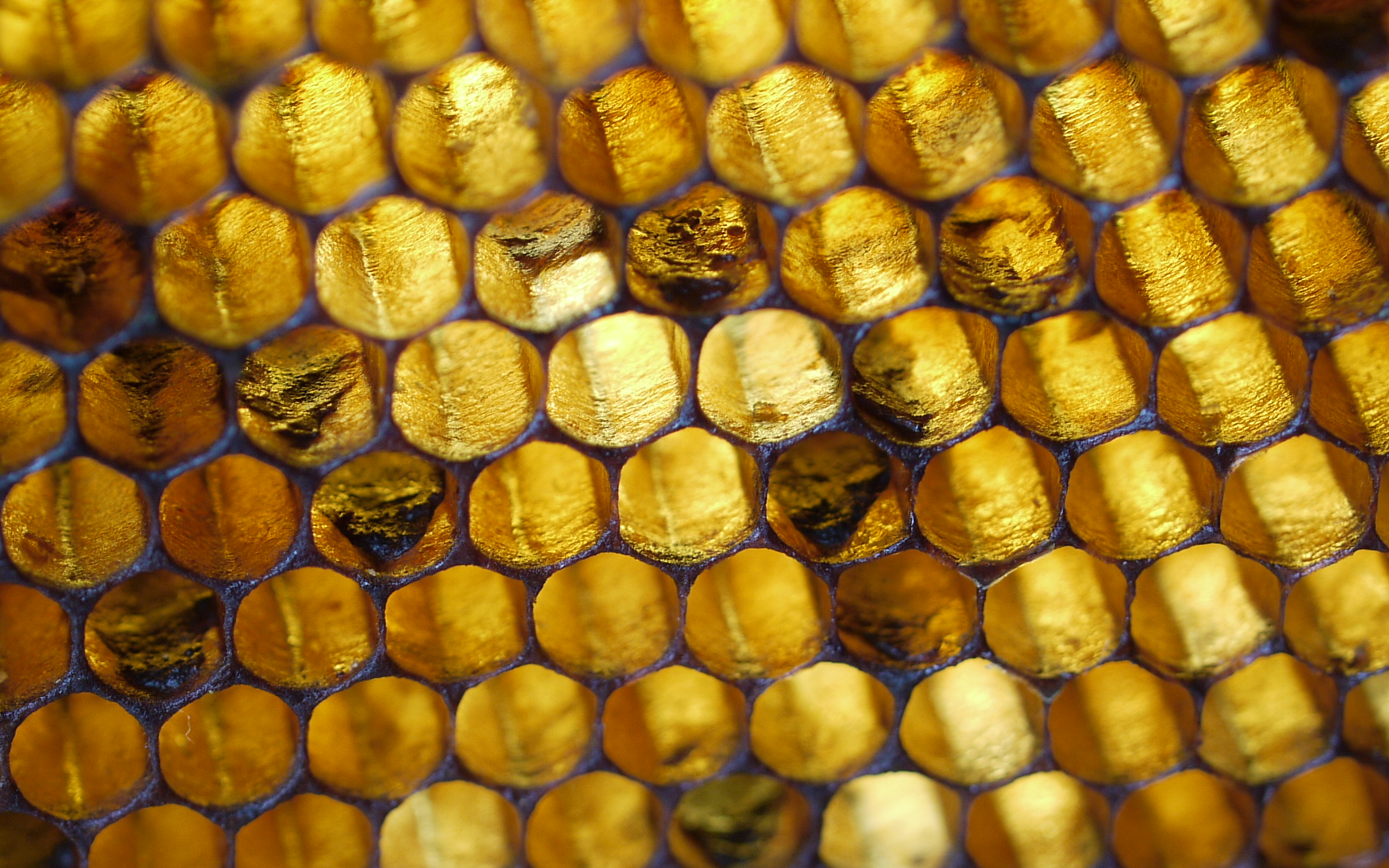

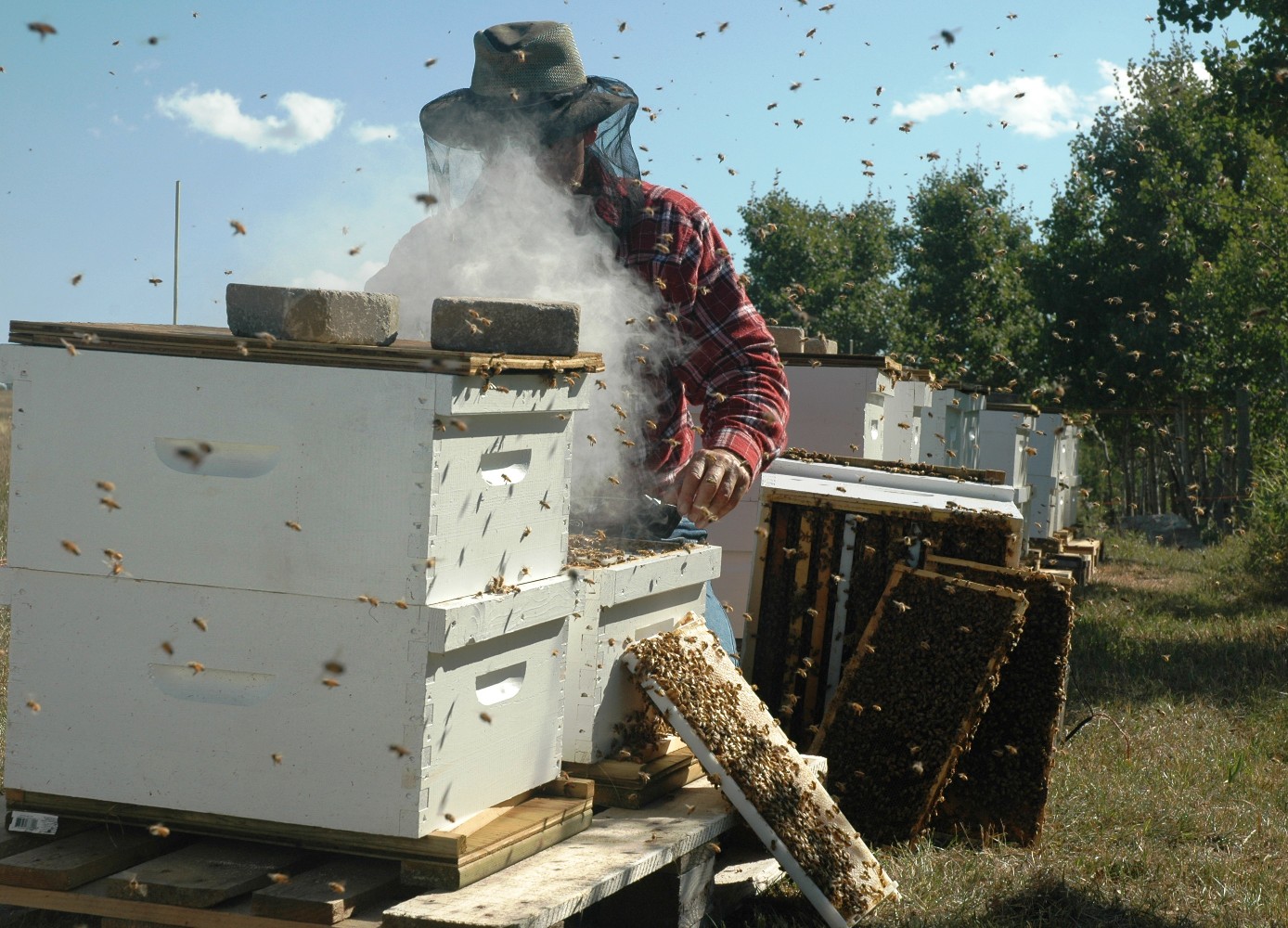
A newly hived swarm can abscond if the box is unsuitable, too hot, too exposed, queenless, or if scout bees have already committed to another site. You cannot guarantee they will stay, but you can improve the odds.
1. Use a suitable hive or nuc
Give the swarm a box that matches its size. A small swarm in a large cold brood box may struggle; a large prime swarm in a cramped nuc may overheat or move on.
Make sure the hive has:
- A secure roof
- Good ventilation
- A reduced entrance
- Frames fitted properly
- Protection from full sun in hot weather
- Enough internal space for the cluster
2. Confirm the queen is in the box if possible
If the queen is inside, bees usually start fanning at the entrance and the remaining bees move in. If bees keep flying out and returning to the original cluster site, the queen may not be in the box.
Avoid excessive disturbance. If the swarm has just been hived, it is often better to let it settle and check later the same day or the next day.
3. Give drawn comb if you can
Drawn comb is one of the best ways to persuade a swarm to stay. It gives the queen somewhere to lay and the bees somewhere to store food immediately.
A frame of open brood from a known healthy colony can also anchor a swarm, but only do this if you are confident there is no disease risk. Do not move brood from colonies with suspicious brood symptoms or unknown health status.
For a swarm of unknown origin, many beekeepers prefer to hive it on foundation and monitor it separately until its health is clearer.
4. Feed sensibly
A swarm often carries honey in its stomachs, but feeding can help if forage is poor, the weather turns, or the bees are on foundation and need to draw comb.
Use light syrup when appropriate, and avoid overfeeding if honey supers are present. Feed inside the hive, reduce the entrance, and watch for robbing.
5. Keep the entrance small
A reduced entrance helps a new swarm defend itself and settle. It also reduces draughts and robbing pressure. Balance this with ventilation in hot weather, especially for large swarms.
6. Avoid moving it repeatedly
Once hived, give the swarm stability. If it must be moved to another apiary, use normal moving precautions and ensure ventilation during transport. Frequent short moves and repeated disturbance can encourage absconding.
7. Re-check at the right time
For a captured swarm:
- Check within 3–7 days to confirm they are still settled and drawing comb
- Look for eggs after several days if the queen is mated
- If it was a cast with a virgin queen, expect a longer wait before eggs appear
- Check again at 14–21 days for brood pattern and food status
- Monitor Varroa once brood is present
Record the capture date, source if known, queen status, feed given, and first egg date in Bee Hive Tracker or your inspection notes.
When requeening is the better answer
Some colonies are persistently swarmy despite good management. Genetics, queen age, brood-box size and local forage can all contribute. If a colony repeatedly prepares to swarm, requeening may be more effective than fighting the same behaviour all season.
Consider requeening when:
- The colony repeatedly builds swarm cells after intervention
- The queen is old or failing
- Temperament is poor
- The colony is unproductive or difficult to manage
- You want steadier behaviour from selected stock
Record the queen source, introduction date and acceptance checks. Confirm laying after introduction rather than assuming success.
Quick decision guide
No queen cells and the brood nest has space Add space if needed and re-check in seven days during swarm season.
A few unsealed cells and the queen is laying Assess whether it is supersedure or early swarm preparation. Add space and monitor closely.
Several charged queen cells with the queen present Use an artificial swarm, nuc split or Demaree. Do not rely on cutting cells out.
Sealed queen cells and the queen present Act immediately. An artificial swarm may still prevent the old queen leaving, but time is short.
Sealed queen cells and no queen seen Assume the prime swarm may have gone. Leave a viable queen cell and manage to prevent casts.
Captured swarm in a hive or nuc Make it comfortable, reduce the entrance, provide comb if safe, feed if needed, and check for queen-right status.
Common mistakes to avoid
- Cutting out queen cells without relieving congestion
- Missing one queen cell and assuming the colony is safe
- Destroying all queen cells in a colony that has already lost its queen
- Adding supers above a blocked brood nest and expecting that to solve laying-space problems
- Inspecting too late in the swarm season cycle
- Shaking frames that contain queen cells
- Moving brood between colonies without considering foulbrood risk
- Forgetting follow-up dates after a split
- Disturbing a virgin queen colony too often during mating time
- Housing a captured swarm in a hot, cramped or unsuitable box
Disease and safety cautions
If you see suspicious brood, stop manipulating frames between colonies. Signs of possible foulbrood include sunken or perforated cappings, abnormal larvae, unpleasant smell, ropiness or melted-looking brood. Contact your local Bee Inspector or the National Bee Unit for advice.
Swarms can carry Varroa and disease. A swarm may have a temporarily reduced mite load because it has little or no sealed brood, but that does not remove the need for monitoring. Plan Varroa checks and treatments according to current UK guidance and your local conditions.
Use safe lifting and working practices when collecting swarms. Get permission before entering land or removing bees from a property.
What to record
For every swarm-control action, record:
- Hive or swarm ID
- Apiary location
- Date and time
- Weather and forage conditions
- Queen seen or not seen
- Queen marking or clipping status
- Queen cell number and stage
- Which frames were moved
- Whether queen cells were left, reduced or removed
- Space added
- Feed given
- Disease concerns
- Next inspection date
- Outcome at follow-up
This is exactly where structured records help. In Bee Hive Tracker, link the original colony and any nuc or artificial swarm so you can see what happened later and avoid losing track during a busy swarm week.
Final advice
The most reliable way to stop a swarm leaving again is to act before the process is too far advanced. Give the queen laying space, recognise queen cells accurately, and use a proper swarm-control method when the colony is committed.
Once sealed queen cells are present, be realistic: you may be managing the aftermath rather than preventing the prime swarm. Leave the colony with a viable route to a new queen, reduce the risk of casts, and keep follow-up inspections on schedule.
For captured swarms, make the new home immediately attractive: correct-sized equipment, ventilation, a small entrance, drawn comb if safe, and sensible feeding. Then leave them settled long enough to commit.
Good swarm control is preparation, timing and records. Spare kit ready before May, calm inspections, and accurate notes will prevent more lost swarms than any last-minute trick.
Sources Used
- https://www.nationalbeeunit.com/
- https://www.bbka.org.uk/
- https://www.gov.uk/guidance/bee-diseases-and-pests