How to Fix a Weak Hive
A weak hive needs a calm diagnosis before it needs a dramatic rescue. In most UK apiaries, the cause is one of six things: queen failure, lack of food, Varroa and associated viruses, robbing, cold stress, or brood disease.
Your first job is to stabilise the colony without making matters worse: check stores, reduce space, stop robbing, avoid unnecessary chilling, and record exactly what you find. Once the immediate risk is under control, the usual fixes are to re-queen, unite the colony with a stronger one, correct Varroa pressure, or seek help if disease is suspected.
If you see signs of American foulbrood or European foulbrood, stop inspecting, close the hive, do not move frames or combine colonies, and contact your local bee inspector through the National Bee Unit.
Signs of a weak colony
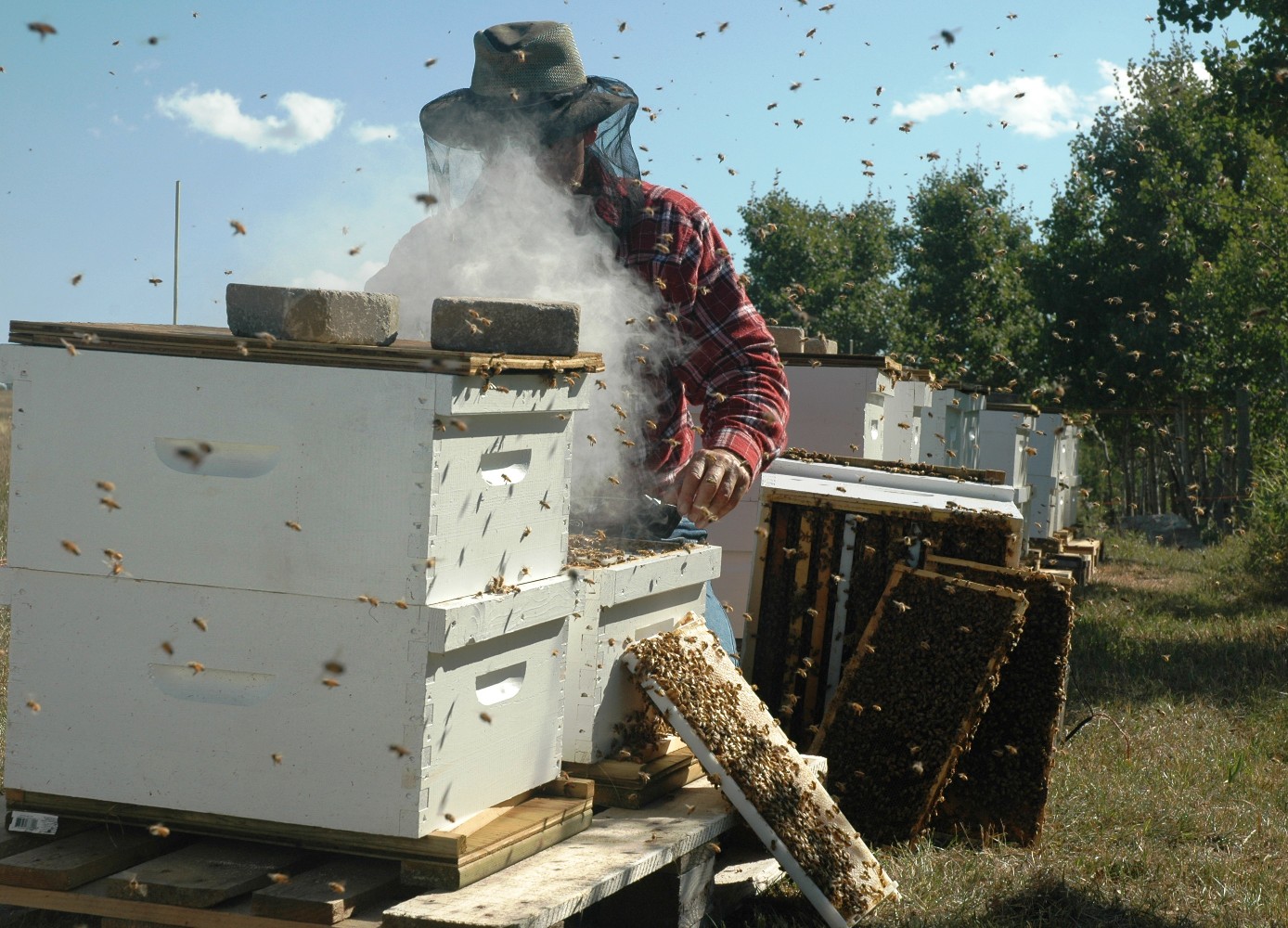
A colony may be weak if you notice:
- Very few bees at the entrance during flying weather
- Little or no pollen coming in during the brood-rearing season
- A small cluster that cannot cover the brood
- Patchy or scattered brood
- No eggs or young larvae
- Too many drone cells in worker comb
- Bees with deformed wings
- Dead bees on the floor, landing board or in front of the hive
- Robbing behaviour, fighting or shredded wax
- Light stores, especially in late winter, spring or after a poor nectar flow
Weakness is not a diagnosis. A small but queenright nucleus in spring is different from a collapsing full colony in August. Treat what you can prove, not what you guess.
First response: inspect only enough to find the cause
Choose a warm, settled part of the day if possible. In cold weather, avoid a full brood inspection unless the colony’s survival depends on it. You can often check food and cluster position quickly without dismantling the hive.
Before opening the hive, watch the entrance for one to three minutes:
- Are bees flying normally for the weather?
- Is pollen coming in?
- Are bees fighting at the entrance?
- Are wasps or bees from other colonies trying to get in?
- Are there deformed-wing bees or crawling bees?
- Is there fresh wax debris below the entrance, which may suggest robbing?
Then open the hive gently and inspect only the frames needed to answer four questions:
- Is there a laying queen?
- Is there enough food?
- Is there evidence of Varroa, virus or brood disease?
- Is the colony able to cover and defend its space?
Record the hive ID, date, weather, colony strength, brood pattern, stores, queen status, signs of disease, mite counts, photos and next action. Bee Hive Tracker is useful here because a weak colony often needs several timed follow-ups, and it is easy to forget exactly what changed between inspections.
What to look for inside the hive
Eggs and young larvae
Eggs or very young larvae usually mean a queen was laying within the last few days. If there are no eggs, no young larvae and no queen seen, suspect queenlessness, a failed queen or a brood break.
Multiple eggs per cell, eggs on cell walls, and scattered drone brood in worker cells may indicate laying workers. Laying-worker colonies are difficult to re-queen directly and are often better united with a strong queenright colony, provided disease is not suspected.
Brood pattern
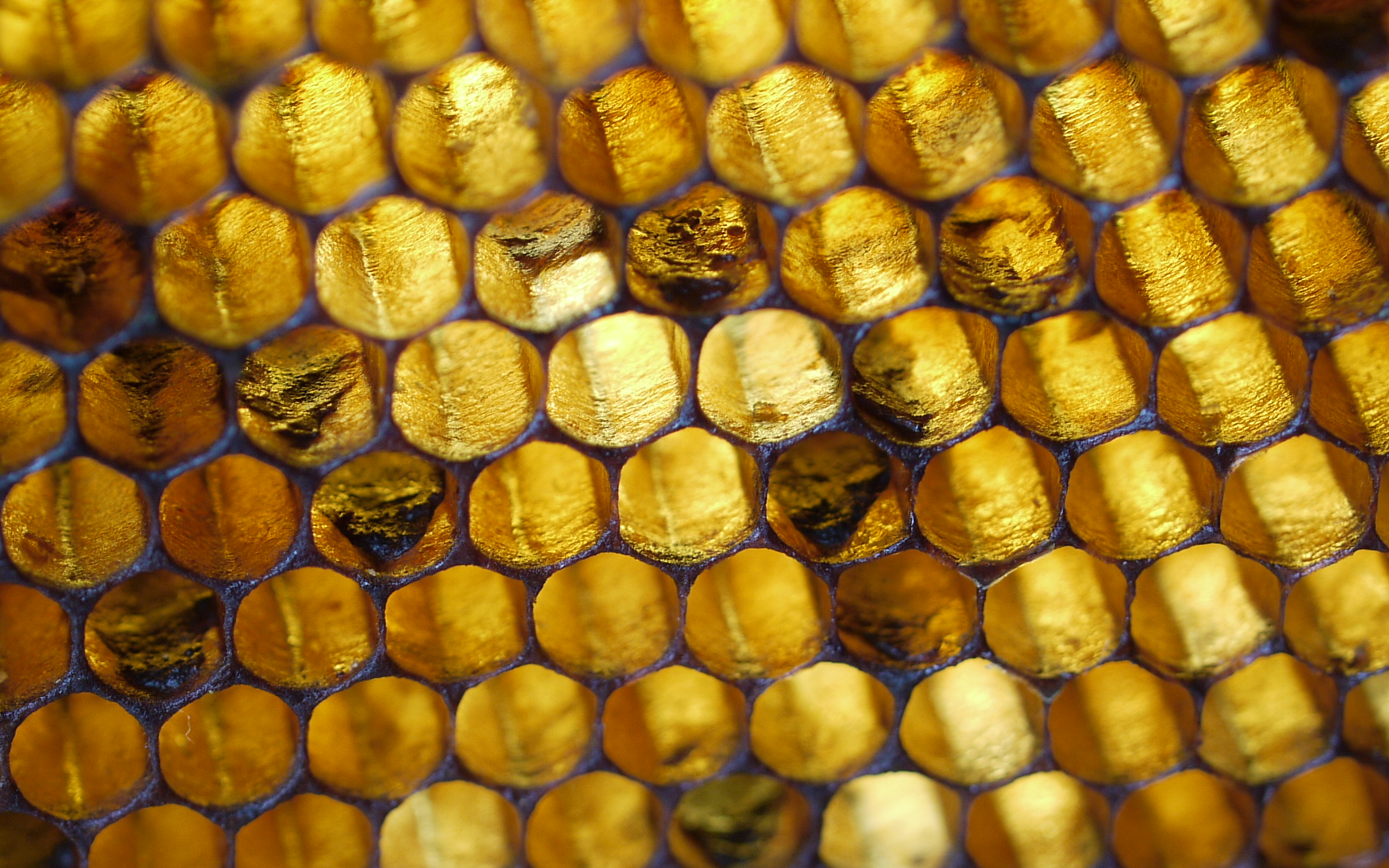
A good brood pattern is compact, with larvae of similar age grouped together and capped brood forming a reasonably even area. A poor pattern may show:
- Pepper-pot gaps
- Many missed cells
- Dead or discoloured larvae
- Excess drone brood
- Sunken or perforated cappings
- Larvae twisted unnaturally in cells
- Ropy remains or dark scales
A patchy pattern can be caused by a failing queen, Varroa, chilled brood, starvation, pesticide exposure or disease. Do not assume it is only a queen problem.
Stores
Check both honey or syrup stores and pollen. A colony can starve even when there is food elsewhere in the hive if the cluster cannot reach it in cold weather.
As a rough field check, a weak colony needs food close to the cluster. If frames next to the bees are empty, treat it as urgent.
Bee coverage
The bees should cover the brood they are trying to rear. If there are more brood frames than bees can keep warm, the colony may decline further through chilled brood. Reduce the nest to what the bees can cover.
Varroa and virus signs
Look for:
- Bees with deformed wings
- Crawling bees unable to fly
- Spotty brood
- Mites on drone pupae
- High mite drop on an inspection board
- Colony decline despite apparent queenright status
Varroa is one of the most common reasons a colony becomes weak in late summer, autumn or after an inadequate treatment programme.
Robbing
Robbing can turn a weak colony into a dead colony very quickly. Signs include:
- Fighting at the entrance
- Bees searching cracks and joints
- Frantic flight around the hive
- Torn cappings and wax crumbs
- Honey smell or wet comb
- A sudden drop in colony population
If robbing is active, close down the entrance immediately and stop spilling syrup or exposing comb.
When to stop and call a bee inspector
Stop the inspection and seek expert help if you see signs that could indicate notifiable disease, especially American foulbrood or European foulbrood.
Concerning signs include:
- Sunken, greasy or perforated cappings
- Larvae that look melted, twisted, discoloured or abnormal
- Ropy larval remains
- Dark scales stuck to the lower cell wall
- A sour or unpleasant smell
- Multiple brood frames with suspicious dead brood
Close the hive, avoid shaking bees, do not move combs to another colony, do not unite the hive, and contact your local bee inspector via the National Bee Unit. If you are unsure, take clear photographs and ask for advice before doing anything else.
Stabilise the colony in the first 24 to 48 hours
Feed if stores are low
If the colony is short of food, feed before you attempt a more complicated fix.
Use fondant in winter, early spring or cold weather when bees may not be able to take syrup reliably. Place it directly above the cluster, usually over the feed hole or on the top bars under an eke, so the bees can access it without breaking cluster.
Use syrup only when bees are active and temperatures are suitable. In spring, light syrup can help a small colony expand, but do not overfeed to the point that the queen has no laying space. Feed internally to reduce robbing risk.
Avoid open feeding, leaking feeders and leaving wet comb exposed. These can trigger robbing and spread disease.
Reduce space
A weak colony should not be left rattling around in too much equipment. Remove empty supers, close off unused space and keep brood frames together. If the colony is very small, consider moving it into a nuc box or using dummy boards so it can maintain warmth and defend itself.
The aim is simple: bees should be able to cover the brood, reach nearby food and guard the entrance.
Reduce the entrance
A small entrance helps a weak colony defend itself against robbers and wasps. Use an entrance block, mouseguard arrangement, reduced opening or a robber screen if needed.
If robbing is severe, reduce the entrance to one or two bee spaces temporarily, feed only inside the hive, and avoid further disturbance until the colony has settled.
Keep the colony dry and warm
Top insulation can help weak colonies, especially in cold or changeable weather. Keep the roof sound and avoid draughts through poorly fitting boxes. Ventilation matters, but excessive ventilation can chill a small colony. The priority is a dry, sheltered hive with the cluster close to food.
Check Varroa properly before treating
If Varroa is suspected, use a recognised monitoring method rather than guessing. Options include:
- Monitoring natural mite drop on a clean insert
- Uncapping drone brood where appropriate
- Sugar roll or alcohol wash if you are trained and the colony can spare the bees
Natural mite drop is useful but can be misleading, so interpret it alongside colony symptoms and seasonal context. Use the National Bee Unit’s current Varroa guidance and only use authorised treatments according to the label. Record the product, batch if required, dose, date, weather conditions and follow-up result.
Never mix treatments, improvise chemicals or use unapproved products.
Diagnose the cause and choose the right fix
If the colony is starving
Feed immediately and reduce space. Put food where the bees can reach it. Recheck within a few days in cold weather or within a week in active season.
A starving colony may take time to resume brood rearing even after feeding. Do not assume queen failure until the colony has had food and enough warmth to recover.
If the colony is queenless
If there are no eggs or young larvae and no queen is found, decide whether the colony is strong enough to save on its own.
Good options include:
- Introducing a mated queen
- Giving a frame of eggs from a healthy colony so they can raise emergency queen cells, if the season allows
- Uniting with a stronger queenright colony
A mated queen is usually the fastest route, but a very weak, stressed or laying-worker colony may reject her.
If the queen is failing
Signs of a failing queen include a poor brood pattern, scattered eggs, too much drone brood, slow build-up and repeated failure to expand despite food and good weather.
In that case, re-queen if the colony has enough bees to recover. If it is late in the season or the colony is too small, uniting may be the kinder and more reliable option.
If laying workers are present
Laying-worker colonies are difficult to correct because the bees may not accept a new queen. Typical signs include:
- Several eggs in one cell
- Eggs stuck to cell walls rather than centred on the base
- Patchy drone brood in worker cells
- No normal worker brood
For most beekeepers, the practical solution is to unite with a strong queenright colony, assuming there is no disease concern. Ask an experienced beekeeper for help if you are unsure.
If Varroa is the main issue
High Varroa levels need prompt action, but timing and treatment choice matter. Some treatments depend on temperature, brood status, honey supers and colony condition.
Follow current NBU guidance and the product label. After treatment, monitor again. A colony weakened by Varroa and viruses may not recover quickly, especially if winter bees have already been damaged in late summer.
If robbing is the main issue
A robbed colony may be short of bees, food and confidence. Reduce the entrance, fit a robber screen if needed, feed internally and avoid opening the hive until the robbing pressure has stopped.
Do not leave supers, wet frames or feeders exposed in the apiary. If one colony is repeatedly targeted, reassess its queen status and strength once robbing is under control.
If cold stress or too much space is the issue
Move brood together, remove unnecessary boxes, add dummy boards or transfer the colony into a nuc. Ensure stores are beside or above the bees. Small colonies can survive poor weather if they are compact, fed and dry.
If brood disease is suspected
Do not attempt to fix it yourself. Do not shake bees, transfer frames, feed combs to other colonies or unite the hive. Contact the bee inspector and follow their instructions.
Re-queening a weak hive

Re-queening works best when the colony is queenless or has a clearly failing queen, has enough young bees to care for brood, and is not suffering from serious disease or severe robbing.
Practical steps:
- Confirm the colony needs a queen. Look for eggs, larvae, queen cells and signs of laying workers.
- Remove the old queen if she is present and failing.
- Use a mated queen from a reputable source where possible.
- Introduce her in a cage placed in the brood nest, where nurse bees can contact her.
- Follow the supplier’s instructions on candy release or delayed release.
- Feed lightly if conditions are poor, but avoid triggering robbing.
- Leave the colony undisturbed long enough for acceptance.
- Check after about a week for queen release and calm behaviour.
- Check again after two to three weeks for eggs and a developing brood pattern.
Do not keep opening the hive daily to “see if she is accepted”. Disturbance can reduce acceptance and may lead to balling or rejection.
Uniting a weak colony with a stronger one
Uniting is often the best option when a colony is too small to recover, when it is late in the season, or when re-queening is unlikely to succeed.
Only unite colonies if both are free from suspicion of notifiable disease.
The newspaper method is the standard approach:
- Inspect both colonies and confirm there is no sign of brood disease.
- Decide which queen you want to keep. Usually this is the queen in the stronger colony.
- Remove the unwanted queen if she is present.
- Place a sheet of newspaper over the top bars of the queenright colony.
- Make a few small slits or holes in the paper.
- Put the weak colony’s brood box above it.
- Close the hive and leave the bees to chew through gradually.
- Check after several days to a week that the colony has united successfully.
- Remove surplus empty frames or boxes once the bees are settled.
Record the unite in your hive notes, including which queen was kept, which frames were moved and the follow-up inspection date.
Should you shake bees out?
Shaking out a weak colony is sometimes discussed, but it is not a cure-all. It can spread disease, spread mites and worsen robbing if done carelessly.
Do not shake out bees if there is any suspicion of foulbrood or unexplained disease. If you are dealing with laying workers or a hopelessly queenless colony, ask a mentor or local association before deciding whether to shake out, unite or close the colony down.
Seasonal considerations in the UK
Late winter and early spring
The most common emergency is starvation. Colonies can die with food elsewhere in the hive if they cannot reach it. Use fondant close to the cluster, avoid chilling brood and keep inspections brief.
Do not expect rapid build-up until weather and forage improve. If the colony has a queen and enough bees, feeding and reducing space may be enough.
Spring build-up
Weak colonies in spring often need food, warmth and a good queen. Re-queening may be possible, but availability of mated queens can be limited early in the season. A frame of emerging brood from a healthy colony can help, but only if the weak colony can cover it and there is no disease risk.
Summer
Check for queen failure, swarming history, robbing, forage gaps and Varroa. A colony that failed to build in good conditions needs a clear diagnosis. Re-queening is often effective in summer if the colony still has enough bees.
Late summer and autumn
Varroa and virus damage become critical. A colony that is weak after the main season may not rear enough healthy winter bees. Treat Varroa appropriately, feed if needed and consider uniting rather than trying to overwinter a colony that is too small.
Winter
Do not open the brood nest unless necessary. Heft the hive, check fondant, ensure the entrance is clear and the hive is weatherproof. If the colony is alive but light, feed fondant directly above the bees.
Quick decision guide
No eggs or young larvae Suspect queenlessness. Re-queen if the colony is strong enough, or unite with a queenright colony.
Patchy brood and poor build-up Check for queen failure, Varroa, chilled brood and disease. Re-queen only after ruling out disease and serious mite pressure.
Few stores or bees clustered away from food Feed immediately. Use fondant in cold weather and internal syrup feeding when conditions are suitable.
Deformed wings, crawling bees or high mite counts Monitor properly and treat with an authorised Varroa product following current guidance.
Fighting, wax debris and frantic entrance activity Treat as robbing. Reduce the entrance, feed internally and stop exposing syrup or comb.
Sunken cappings, abnormal larvae, ropiness or suspicious smell Stop. Close the hive and contact your local bee inspector.
Very small colony late in the season Consider uniting. A single strong colony is usually better than two colonies that are unlikely to survive.
Follow-up inspections
A weak colony needs planned follow-up, not constant disturbance.
Set a clear next inspection task, such as:
- Check fondant or syrup uptake in three to seven days
- Confirm robbing has stopped
- Look for eggs seven to ten days after queen introduction
- Check brood pattern two to three weeks after re-queening
- Reassess stores before poor weather
- Monitor Varroa after treatment according to the product instructions
Keep a simple timeline: problem found, evidence, action taken, treatment dates, feeding, queen changes and outcome. Recording this in Bee Hive Tracker helps you compare colonies, spot repeated queen or Varroa issues, and avoid repeating a failed fix next season.
When fixes fail
If the colony continues to decline despite feeding, space reduction, queen correction and Varroa control, do not keep intervening indefinitely. A colony with no brood recovery after several weeks, persistent dead bees, rising mite levels or unexplained abnormal brood needs experienced help.
Sometimes the best decision is to unite the remaining healthy bees with a strong colony. If disease is confirmed or suspected, follow the bee inspector’s instructions. Protecting the wider apiary is more important than saving one failing hive at any cost.
Practical checklist
- Watch the entrance before opening.
- Inspect calmly and briefly.
- Check eggs, brood pattern, stores, bee coverage, robbing signs and Varroa indicators.
- Photograph anything unusual.
- Feed immediately if stores are low.
- Reduce space so bees can cover the brood.
- Reduce the entrance if the colony is vulnerable.
- Monitor Varroa and treat only with authorised products when needed.
- Re-queen if queen failure is confirmed and the colony is strong enough.
- Unite if the colony is too weak to recover on its own.
- Stop and call a bee inspector if foulbrood is suspected.
- Record actions, dates and follow-up tasks.
Sources Used
- https://www.nationalbeeunit.org.uk/
- https://www.gov.uk/guidance/report-notifiable-diseases-in-honey-bees
- https://www.gov.uk/guidance/varroa-mite-control-in-honey-bees
- https://www.bbka.org.uk/