How to Deal with Bees Not Producing Honey
When a hive is “not producing honey”, it usually means it is not producing a surplus for you. The colony may still be using nectar as fast as it comes in to feed brood, draw comb, recover from winter, replace lost bees or defend itself from robbers.
Treat low honey yield as a diagnosis problem, not a single fault. Start with the basics: colony strength, stores, queen performance, forage, disease, Varroa, robbing and timing. The right response might be feeding, requeening, combining, removing excess supers, improving Varroa control or simply accepting that the local nectar flow has failed.
Good records make this much easier. Note when supers went on and off, colony strength, queen status, treatments, moisture readings and harvest dates. A tool such as Bee Hive Tracker is useful for linking hive inspections with honey batches, moisture readings and extraction notes.
First, confirm there is a real production problem
Inspect in settled weather, when flying bees are active and the colony is calm. Before changing management, gather evidence.
Check the following:
- Hive weight and food stores. Heft the hive if you can do so safely. Look at brood box stores and the lowest super. A colony that is light cannot be expected to make surplus honey.
- Adult bee population. A productive colony needs a large foraging force. If bees barely cover the brood frames, it is not ready to fill supers.
- Brood quantity and pattern. Several frames of healthy brood, with a good spread of eggs, larvae and sealed brood, indicate a colony building well. A patchy pattern may point to queen failure, disease, chilled brood or Varroa-related stress.
- Queen status. Confirm the colony is queenright by finding eggs or the queen. Queen cells, a long brood gap or drone-heavy brood need attention.
- Local forage and weather. In the UK, oilseed rape can give a short, intense spring flow, while lime, clover, bramble, heather and ivy vary greatly by region and weather. A cold spring or wet, windy summer can leave even good colonies with little surplus.
- Robbing and wasp pressure. Torn cappings, fighting at the entrance, dead bees, frantic flight and bees searching cracks in the hive can indicate robbing.
- Disease and Varroa. High mite levels and brood disease reduce the future workforce and can make a colony look unproductive for weeks.
Record the inspection date, hive ID, brood frames, bee coverage, queen status, stores, supers present and any concerns. This baseline is often what reveals the real cause later.
Common reasons bees are not producing surplus honey
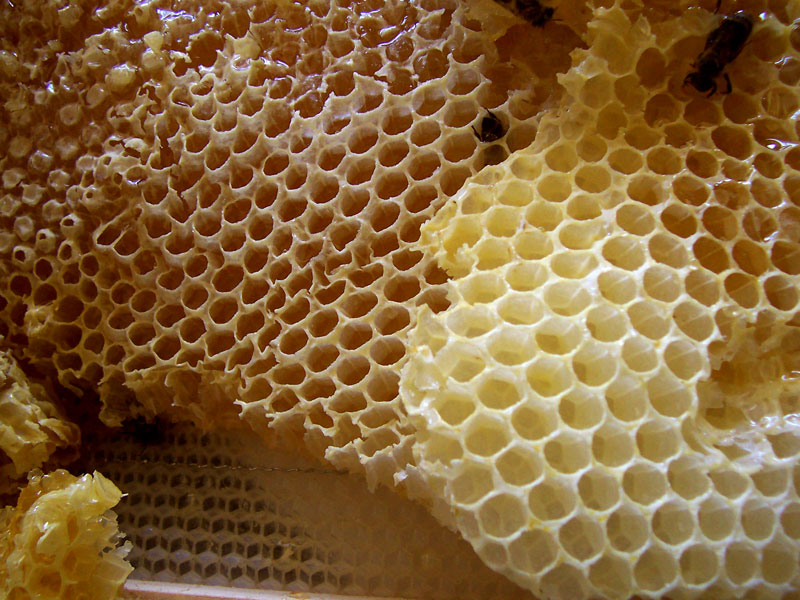
1. The colony is short of stores
A colony that comes through winter light, or uses its reserves during a cold spring, must rebuild before it can store honey for you. Bees will prioritise survival and brood rearing over filling supers.
What to do:
- Feed promptly if the colony is short of food.
- Use fondant in cold conditions when bees may not take syrup reliably.
- Use syrup when temperatures are suitable: thin syrup can encourage brood rearing, while thicker syrup is more useful for building stores.
- Do not feed syrup while supers intended for human consumption are on the hive, unless it is an emergency and those supers are removed from the honey crop.
- Reduce unnecessary space if the colony is small, so bees can keep brood warm and defend stores.
- Add supers only when the colony is strong enough and there is a nectar flow.
A light colony in spring needs support, not extra boxes and expectations.
2. The queen is failing or the population is too small
Honey crops are made by strong colonies with enough foragers at the right time. A poor queen in April or May can mean a weak foraging force in June and July.
Signs of queen problems include:
- Patchy brood with many missed cells
- Too much drone brood in worker cells
- Few eggs despite good weather and food
- Repeated supersedure attempts
- A long brood gap outside normal swarm control or requeening
- Laying workers, shown by multiple eggs per cell and scattered drone brood
What to do:
- Requeen early if the queen is clearly failing.
- Combine weak colonies where appropriate, rather than nursing several poor units through the main flow.
- Use a newspaper combine onto a good queen if one colony is queenless or weak.
- Keep notes on queen age, origin and performance so poor lines are not repeated.
Requeening early in the season is often more effective than hoping a failing queen will recover in time for the main nectar flow.
3. The colony has swarmed or is preparing to swarm
Swarming is one of the most common reasons for a sudden drop in honey production. A colony that has lost its flying bees or has paused brood rearing while requeening may miss the main flow.
Look for:
- Charged queen cells
- Reduced laying
- A sudden drop in bees
- Backfilling of the brood nest with nectar
- A new virgin queen or no eggs for a period
What to do:
- Use a suitable swarm control method as soon as queen cells are found.
- Make sure the colony has enough space before and during strong nectar flows.
- Avoid leaving colonies congested in spring.
- Record swarm cells, artificial swarms and brood breaks, as these often explain later low yields.
A colony can look healthy after swarming but still fail to produce a crop because the timing of its workforce has been disrupted.
4. There is no nectar flow
Sometimes there is nothing wrong with the bees. Poor weather, drought, late frosts or a gap between local forage sources can mean little nectar is available.
What to do:
- Check whether other colonies in the same apiary are also failing to gain weight.
- Speak to nearby beekeepers or your local association to compare conditions.
- Avoid adding too many supers during a dearth, as excess space can make temperature control and defence harder.
- If practical and permitted, move strong colonies to better forage, following good biosecurity and distance considerations.
- Plan apiary sites around reliable local forage rather than relying on one short crop.
A single strong colony on good forage will usually outperform several weak colonies on poor forage.
5. Supers were added too early, too late or in the wrong way
Supering is a balance. Too little space can encourage swarming and restrict storage. Too much space too early can leave bees spread thinly, especially in cool weather.
Practical guidance:
- Add a super when the brood box is well occupied and bees are ready to use the space.
- During a strong flow, add space before the existing super is completely full.
- If bees refuse to move through a queen excluder, check colony strength, comb condition and whether the super contains drawn comb or only foundation.
- Drawn comb is far more attractive and productive than foundation during short UK flows.
- Remove empty supers during a dearth if the colony is struggling to defend them.
If a colony has bees boiling out of the brood box and nectar coming in, lack of super space can cost you honey and increase swarming pressure.
6. Robbing or wasps are stripping stores
Robbing can turn a modest honey crop into an empty hive. It is most common during nectar gaps, after extraction, in dry summers and around weak colonies.
Signs include:
- Fighting at the entrance
- Bees trying to enter through roof joints or cracks
- Wax debris on the floor
- Ragged cappings
- Sudden loss of stores
- A roaring, agitated colony
- Wasps repeatedly entering the hive
What to do:
- Reduce the entrance immediately.
- Close gaps and repair damaged equipment.
- Stop open feeding.
- Feed only inside the hive and avoid spilling syrup.
- Do not leave wet supers, exposed comb or cappings near colonies.
- Remove honey supers quickly and keep them covered.
- Consider moving a badly affected weak colony if it cannot defend itself.
Once robbing starts, act quickly. Delay can lead to colony collapse.
7. Varroa and viruses are reducing the workforce
Varroa does not only kill colonies in winter. It can reduce adult bee lifespan, weaken brood and lower foraging performance during the season.
What to do:
- Monitor mite levels using an appropriate method, such as an alcohol wash, sugar roll or monitoring board, depending on your practice.
- Treat according to UK-approved products, label instructions and seasonal suitability.
- Avoid contaminating honey supers with treatments not approved for use during a honey flow.
- Record treatment dates, products, mite counts and withdrawal or super restrictions.
- Review Varroa control if colonies repeatedly fail to build or produce despite good forage.
Oxalic acid is commonly used during broodless periods, including winter or managed brood breaks. Thymol-based products are generally used after honey removal when temperatures are suitable. Always follow the current product label.
Disease checks and when to seek official advice
Low honey production can be an early sign that brood disease or another serious problem is reducing colony strength.
Contact your local bee inspector or the National Bee Unit if you suspect notifiable disease, especially American foulbrood (AFB) or European foulbrood (EFB).
Concerning signs include:
- Sunken, greasy or perforated brood cappings
- Larvae that look melted, twisted, discoloured or abnormal
- Ropey larval remains
- Pepper-pot brood pattern with dead brood
- Unpleasant smell from brood comb
- Sudden unexplained colony decline
If you suspect notifiable disease, stop moving bees, brood frames, supers and equipment until you have taken advice. Do not combine suspect colonies.
Brood in the supers
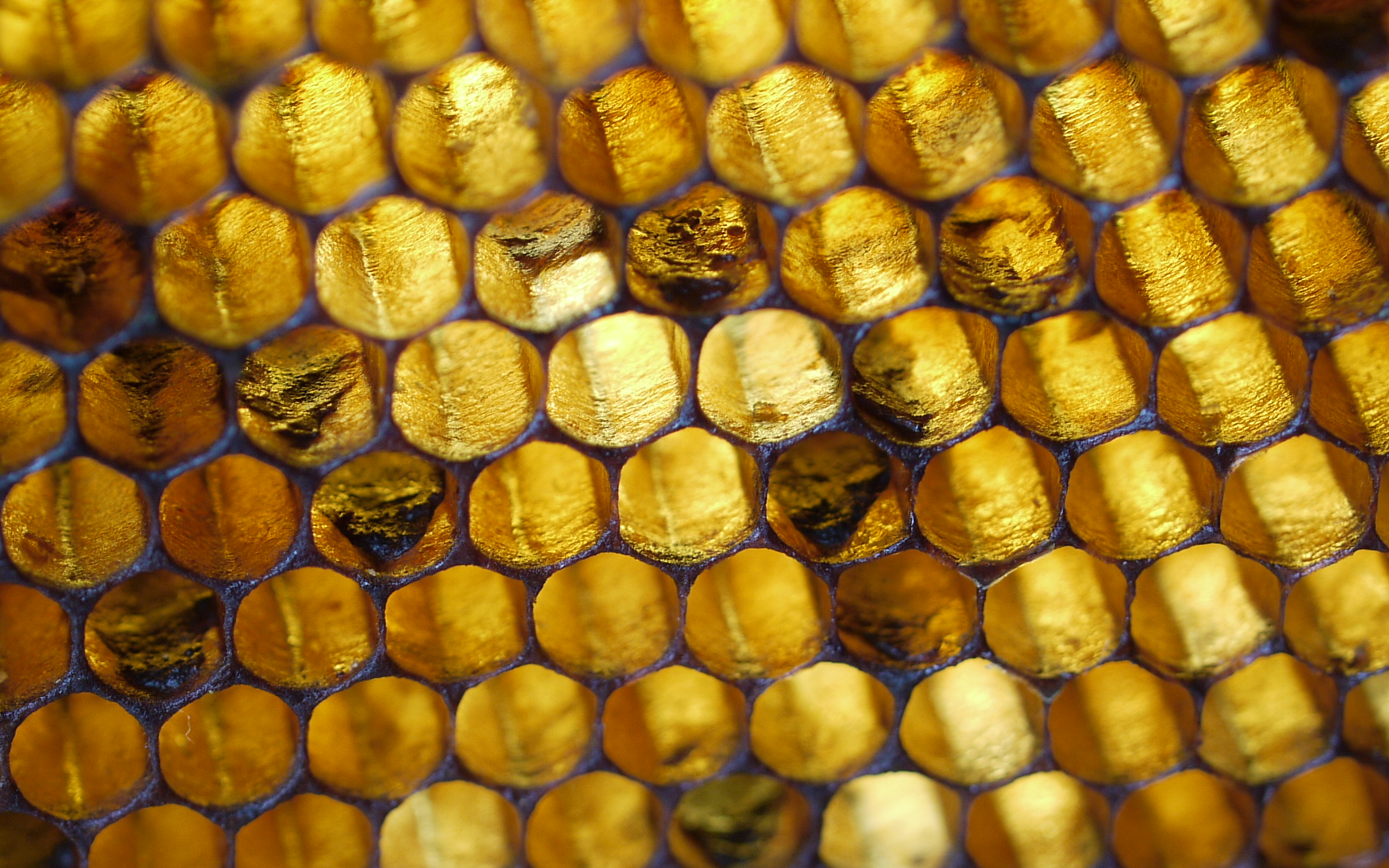
Brood in supers can reduce honey quality, complicate extraction and make colony management messy. It usually means the queen has gained access above the brood box or the queen excluder is missing, damaged or badly fitted.
What to do:
- Find and place the queen below a sound queen excluder.
- Move brood frames down into the brood area if there is space and it can be done without chilling brood.
- If brood is already sealed in a super, allow it to emerge above an excluder, then remove the comb from the honey crop if unsuitable.
- Do not extract frames containing brood.
- Replace damaged excluders and check for gaps between boxes.
- Consider whether brood and super configuration needs simplifying.
Some colonies are reluctant to work through an excluder, especially if only foundation is above it. Drawn comb above the excluder often helps.
Handling wet, uncapped or unripe honey
Sometimes the bees have collected nectar, but it is not ripe enough to extract safely. Taking honey too early can lead to fermentation in jars.
Use a refractometer
A honey refractometer is one of the most useful extraction tools you can own.
As a practical target:
- Aim for honey below about 18.5% to 19% moisture for reliable storage.
- Honey above 20% moisture has a higher risk of fermentation and may not meet normal table honey expectations.
- Heather honey and baker’s honey have specific moisture allowances under honey regulations, but ordinary extracted honey should be kept as dry as practical.
Cappings are a useful guide, but not perfect. Mostly capped frames are usually ripe, but in damp conditions even capped honey can be wetter than expected. Uncapped honey can be ripe during a strong flow, but it should be tested before extraction.
What to do with wet frames
If frames are uncapped or test too wet, choose one of these options.
Return them to the bees
If weather and forage conditions allow, put the super back on a strong colony so the bees can finish drying and capping it. Do not leave wet supers on weak colonies that cannot defend them.
Dry frames in a controlled room
A warm, dry room with good airflow and a dehumidifier can reduce moisture before extraction. Keep supers protected from bees, wasps, rodents and dust. Avoid overheating honey, as excessive heat damages flavour and quality.
Extract separately and manage the batch
If you extract wet honey, keep it separate. It may be possible to reduce moisture using suitable honey drying equipment or blend carefully with drier honey, but blending should be measured, recorded and done responsibly.
Divert unsuitable honey
If moisture remains high, consider using it for mead, baking or another appropriate purpose rather than bottling it as table honey.
Do not bottle fermenting honey for sale or long-term storage
Fermentation signs include foam, gas bubbles, pressure in jars, sour or yeasty smell and sharp flavour. Do not feed fermenting honey back to bees; it can cause digestive stress and may spread disease if the honey source is uncertain.
Record moisture readings by hive, super or batch. Bee Hive Tracker batch notes are useful for linking refractometer readings with harvest dates and source colonies.
Extraction hygiene and storage
Honey extraction is both beekeeping and food handling. Clean handling protects the crop and makes problems easier to trace.
Before extraction:
- Harvest mostly capped frames unless you have tested moisture or have a controlled drying process.
- Keep supers covered during transport.
- Do not leave open supers in the apiary.
- Remove bees gently using a clearer board, brush or blower according to your system.
- Record the hive ID, super number, removal date and estimated crop.
During extraction:
- Use clean, food-grade buckets, tanks and strainers.
- Use stainless steel or food-safe equipment where possible.
- Wash and dry equipment before use; honey absorbs moisture and odours.
- Keep the extraction area warm, dry and protected from bees and wasps.
- Strain honey to remove wax and debris, but remember that filtering does not reduce moisture.
- Let honey settle in a covered tank so air bubbles and fine particles rise before bottling.
For storage:
- Store sealed jars in a cool, dry, dark place.
- Keep honey away from strong smells.
- Use batch numbers and harvest dates.
- If selling honey, follow current UK labelling and food hygiene requirements.
A simple batch record should show where the honey came from, when it was extracted, moisture reading, jar count and any unusual notes.
Practical record-keeping for low honey yield
Poor honey production often makes sense only when you compare several inspections across the season.
Record these details:
- Hive ID and apiary
- Queen age, origin and status
- Brood frames and bee coverage
- Stores in brood box and supers
- Super on date
- Super off date
- Number of frames harvested
- Whether comb was drawn or foundation
- Capping percentage
- Refractometer reading
- Extraction date
- Yield in kg or jar count
- Varroa counts and treatments
- Feeding dates and amounts
- Swarm cells, brood breaks or requeening events
- Robbing, wasp pressure or disease concerns
- Batch number and destination of the honey
This helps answer practical questions later, such as:
- Did the colony miss the flow because it swarmed?
- Was the queen replaced too late?
- Did wet honey come from one apiary or one colony?
- Did high Varroa levels match poor yield?
- Were supers added before the colony was ready?
- Did feeding overlap with honey supers?
Bee Hive Tracker can be used to keep inspection notes, super movements, harvest records and batch details together, which is much easier than trying to reconstruct the season from memory.
When to stop expecting honey from a colony
Not every colony should be managed as a honey producer all season. Sometimes the best decision is to change its role.
Consider changing plans if:
- The colony is still weak after repeated inspections
- The queen is poor and replacement will come too late for the main flow
- The colony has swarmed and missed the crop
- Disease or Varroa pressure has set it back
- The local nectar flow has ended
- The colony needs stores more than you need honey
Options include:
- Requeen and build it for next year
- Combine it with another colony
- Use it for drawing comb if conditions allow
- Use it as a brood or nuc resource
- Prepare it carefully for winter rather than pushing for a late crop
A colony that produces no surplus this year can still be valuable if it becomes a strong, healthy colony for next season.
Decision guide: problem and clearest fix
Little or no stores after winter
Immediate action: feed appropriately and reduce unnecessary space. Longer-term action: improve autumn feeding, winter stores assessment and apiary shelter.
Poor brood pattern or failing queen
Immediate action: requeen or combine with a stronger colony. Longer-term action: track queen age and performance; avoid breeding from poor stock.
Plenty of brood but little honey
Immediate action: check forage, super space, robbing and Varroa. Longer-term action: improve apiary siting and super timing.
Wet or uncapped honey
Immediate action: return to bees or dry under controlled conditions. Longer-term action: use a refractometer and record moisture by batch.
Robbing or wasp pressure
Immediate action: reduce entrances, stop open feeding and cover exposed comb. Longer-term action: improve feeding practice, apiary hygiene and colony strength.
Colony has swarmed
Immediate action: manage queen cells and confirm queenright status. Longer-term action: improve swarm prevention, supering and spring inspection timing.
High Varroa levels
Immediate action: treat with a suitable approved product at the right time. Longer-term action: monitor routinely and record mite counts against colony performance.
Final checklist for bees not producing honey
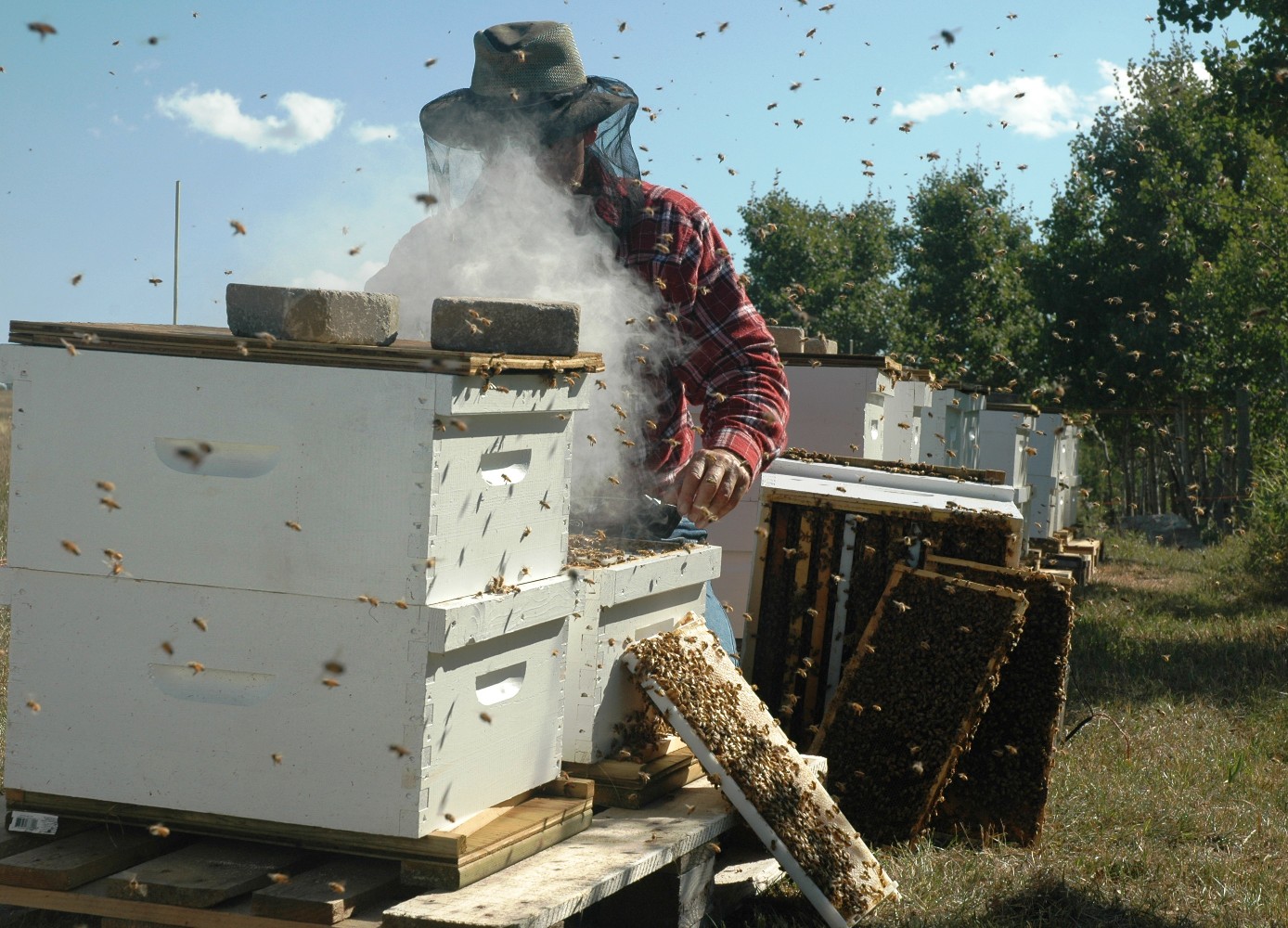
- Inspect calmly and record hive ID, date, queen status, brood and stores.
- Heft the hive or check stores directly.
- Confirm whether the colony is strong enough to produce surplus.
- Check for queen failure, swarming signs and brood disease.
- Look for robbing, wasps and exposed honey sources.
- Review local forage and recent weather.
- Check Varroa levels and treatment history.
- Remove unnecessary supers if there is no flow and the colony is weak.
- Feed only when needed, and keep feed away from honey supers for extraction.
- Use a refractometer before extracting uncertain frames.
- Label and record each honey batch with source hive and moisture reading.
- Requeen or combine weak colonies early enough to make a difference.
- Contact your bee inspector if you suspect notifiable disease.
Sources Used
- Practical UK beekeeping experience and common UK apiary practice.
- For official disease, inspection and statutory guidance, consult the National Bee Unit, your local bee inspector and your regional or local beekeepers’ association.
- For honey sold or supplied to others, check current UK honey labelling, composition and food hygiene requirements.