How to Deal with Patchy Brood
Short answer
Patchy brood is a symptom, not a diagnosis. It may be as simple as a failing queen, a cold spell or lack of stores, but it can also be linked to varroa, viruses or notifiable disease.
At the hive, work through a calm routine:
- Record the colony, date, weather and recent treatments.
- Check for eggs, young larvae and the queen if she is easy to find.
- Assess stores, pollen and colony strength.
- Look closely at brood cappings, larvae and signs of varroa.
- Photograph anything unusual.
- If foulbrood is possible, stop manipulating the colony and contact your local bee inspector.
- If disease is not suspected, make a time-bound plan: feed, treat varroa if needed, requeen, unite, or re-inspect in 7–10 days.
Good records make this much easier. Bee Hive Tracker is useful for keeping inspection notes, photos, varroa counts, treatments and follow-up reminders in one place.
What patchy brood means
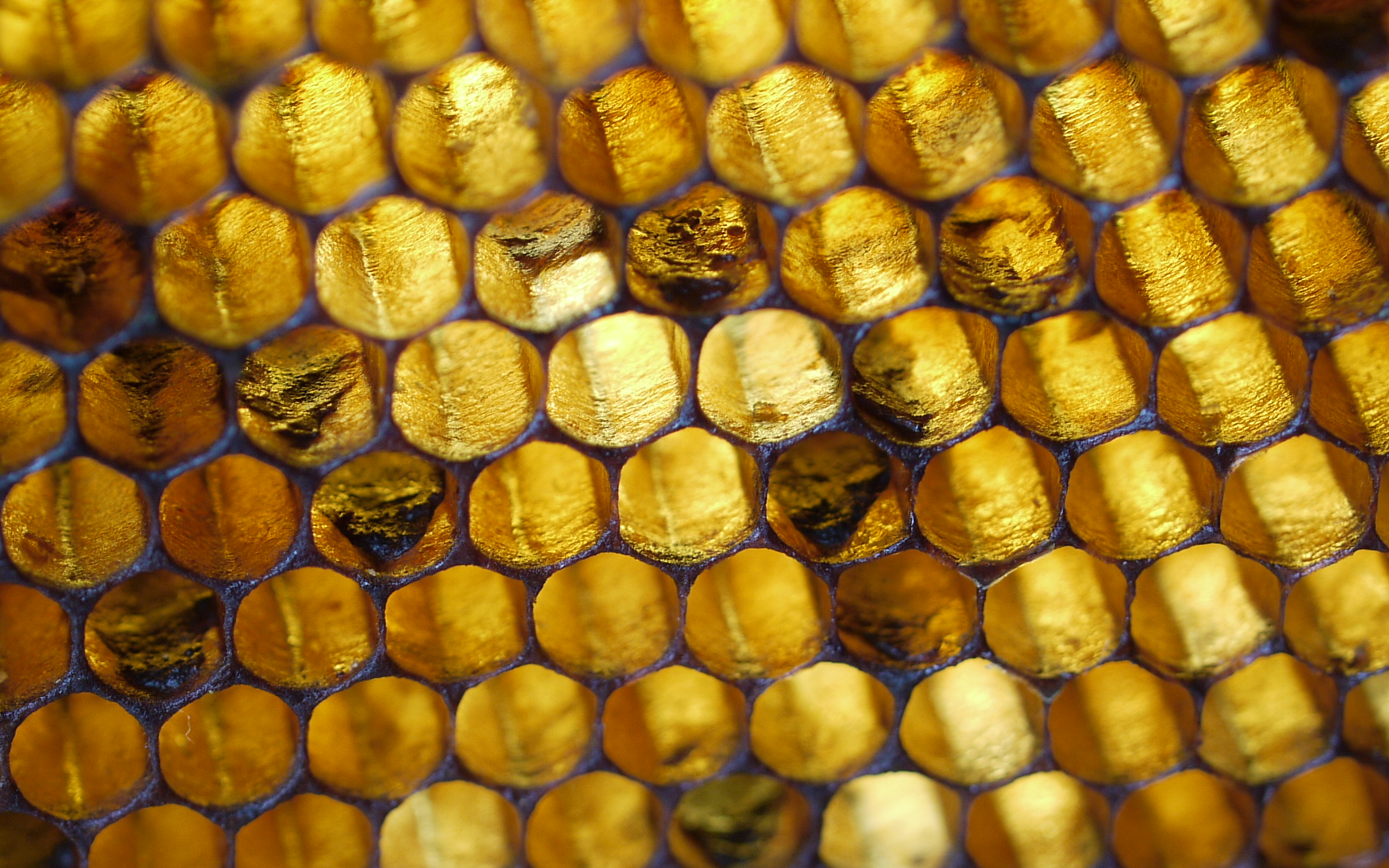
A good brood pattern usually has a fairly solid area of eggs, larvae and sealed brood, with only occasional empty cells. Some gaps are normal: bees may leave cells for pollen, remove unhealthy larvae, or be working around older comb. A small break in the pattern is not always a problem.
Patchy brood becomes concerning when there are many empty cells scattered through the brood nest, sunken or perforated cappings, dead or discoloured larvae, repeated failure across inspections, or a clear decline in colony strength.
Common causes in UK colonies include:
- Queen failure or a poorly mated queen
- A recent queen loss or interruption in laying
- Varroa and associated viruses, especially deformed wing virus
- Starvation, lack of pollen or chilled brood
- Laying workers after a prolonged queenless period
- European foulbrood or American foulbrood
- Chalkbrood or sacbrood
- Robbing, severe disturbance or pesticide exposure
- Seasonal stress after cold, wet or unsettled weather
Your aim is not to guess quickly. Your aim is to narrow the cause safely.
First checks at the hive
Choose a suitable inspection day if possible: mild, dry and calm. If the weather is poor, keep the colony open for as short a time as you can.
Record the basics before you forget
For each inspection, note:
- Hive ID and apiary location
- Date, time and weather
- Colony temperament
- Recent feeding, treatments or manipulations
- Whether the queen was seen
- Whether eggs are present
- Brood pattern and any suspicious signs
- Stores and pollen levels
- Varroa observations or mite counts
- Photos of affected frames
- Your next action and inspection date
Eggs are especially important. Fresh eggs prove that a queen was laying within the last three days, although they do not guarantee she is still present at the moment of inspection.
Look at the brood pattern

Assess the frame before shaking or brushing bees. Ask:
- Is the brood mainly in one compact area, or scattered across several frames?
- Are empty cells mixed randomly among sealed brood?
- Is there a band of healthy young larvae below sealed brood?
- Are there enough nurse bees covering the brood?
- Is brood present on both sides of the frame?
- Is the problem on one comb only, or across the brood nest?
One poor comb can be old, damaged or chilled. A poor pattern across several frames is more significant.
Check eggs and larvae
Healthy young larvae are pearly white, glossy and curled in a C-shape. Warning signs include:
- Yellow, brown or melted-looking larvae
- Twisted larvae in open cells
- Dry scales stuck to the cell wall
- Larvae that look watery or collapsed
- Dead larvae in unusual positions
- A sour or foul smell
Do not rely on smell alone. Some diseased colonies smell little or not at all.
Check the cappings
Normal worker brood cappings are slightly domed or flat, dry-looking and fairly even. Be cautious if you see:
- Sunken cappings
- Perforated cappings
- Greasy or dark cappings
- Cappings chewed open by bees
- Dead pupae partly uncapped
These signs do not prove foulbrood, but they are enough to slow down and inspect carefully.
Check stores and pollen
A colony short of food can produce a poor brood pattern quickly. Look for:
- Honey or syrup stores close to the brood nest
- Pollen around or near young larvae
- Light combs with little food
- Bees clustered tightly away from brood
- Dead larvae after a cold spell or wet period
If stores are low and disease is not suspected, feed promptly.
Check for varroa and virus signs
Varroa pressure often shows as a poor or “spotty” brood pattern, especially later in the season. Look for:
- Deformed wings
- Shortened abdomens
- Bees crawling outside the hive
- Mites visible on bees or brood
- Pepper-pot sealed brood
- Poor colony build-up despite food and a laying queen
Use a proper monitoring method such as a sticky board count, sugar roll or alcohol wash where appropriate, and follow current UK guidance and product labels for treatment.
How to interpret what you see
Eggs present, but the sealed brood is patchy
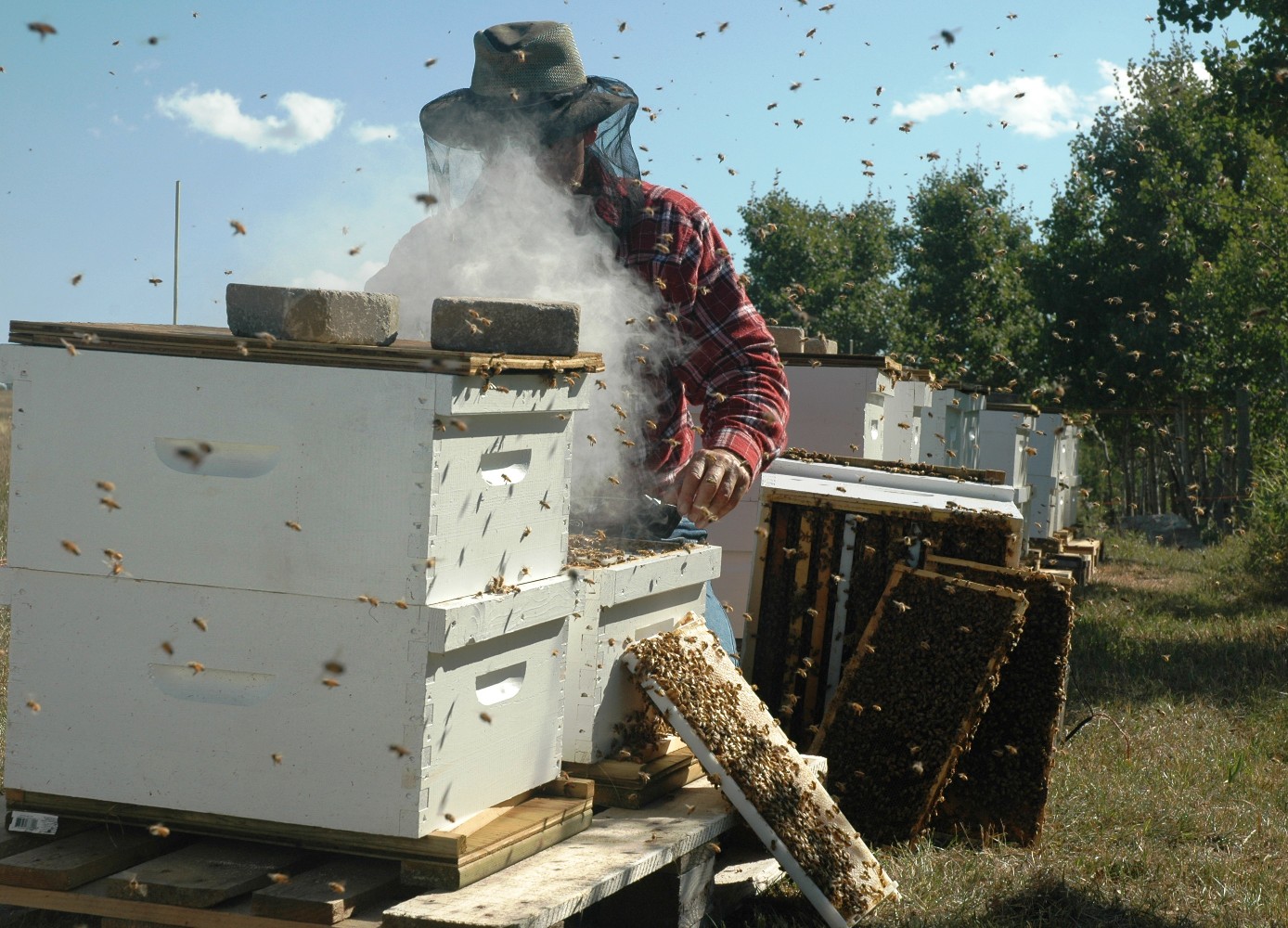
Likely causes include queen failure, a poorly mated queen, old comb, varroa, nutrition stress or hygienic removal of unhealthy brood.
What to do:
- Check stores, pollen and varroa levels.
- Look for disease signs before moving combs.
- Re-inspect in 7–10 days if the colony is otherwise stable.
- If the poor pattern continues and disease is not suspected, consider requeening.
A failing queen often produces an increasingly irregular brood pattern over repeated inspections. One inspection is useful; a trend is better.
No eggs and no young larvae
Possible causes include queenlessness, a brood break, a virgin queen not yet laying, recent swarming, or a failed queen.
What to do:
- Look for queen cells, virgin queen behaviour and recent swarm signs.
- Review your last inspection notes.
- If disease has been ruled out, consider adding a test frame with eggs and young larvae from a healthy colony. If the colony starts queen cells, it is likely queenless.
- If the colony is weak, uniting may be better than waiting.
Do not add brood frames from another colony if foulbrood is suspected.
Mostly drone brood in worker cells
This suggests either a drone-laying queen or laying workers.
Signs of a drone-laying queen:
- A queen may be present.
- Eggs are usually centred at the bottom of cells.
- Brood may be in a more consistent pattern, but cappings are domed because drones are developing in worker cells.
Signs of laying workers:
- Multiple eggs per cell.
- Eggs stuck to cell walls rather than centred on the bottom.
- Scattered drone brood.
- No worker brood.
- Colony has usually been queenless for some time.
What to do:
- A drone-laying queen should be removed and the colony requeened or united.
- Laying worker colonies are difficult to correct. Direct queen introduction often fails. Small colonies are usually best shaken out or united with care, ideally with help from a mentor.
Sunken or perforated cappings, dead larvae or suspicious smell
Treat this as possible foulbrood until proved otherwise.
American foulbrood and European foulbrood are notifiable in the UK. If you suspect either, stop swapping frames, avoid moving equipment between colonies, close the hive and contact your local bee inspector through BeeBase.
Do not try to solve suspected foulbrood by feeding, requeening or moving combs around the apiary. That can spread disease.
Chalkbrood mummies
Chalkbrood usually appears as white, grey or black “mummies” in cells, on the floor or at the entrance. It can make brood look patchy, especially in damp or stressed colonies.
What to do:
- Improve ventilation and reduce damp.
- Avoid chilling the brood nest.
- Replace poor comb.
- Requeen if it is persistent or severe.
Chalkbrood is usually less urgent than foulbrood, but recurring cases deserve management attention.
Sacbrood
Sacbrood larvae often look like fluid-filled sacs. Cappings may be perforated and larvae can darken as they die.
What to do:
- Reduce stress.
- Check varroa levels.
- Requeen if the problem persists.
- Replace affected comb if needed.
Mild sacbrood often clears as the colony strengthens.
Practical actions by likely cause
Queen failure or poor laying
A poor queen is one of the most common reasons for patchy brood. It is more likely if the queen is old, the colony has been slow to build, or the brood pattern has worsened over several inspections.
Actions:
- Confirm eggs or very young larvae are present.
- Check that stores, pollen and varroa are not the main issue.
- Give the colony 7–10 days if conditions have recently been poor.
- If the pattern remains poor, requeen with a good mated queen or unite with a queenright nucleus.
- Remove the failing queen before introducing a new one.
- Record the queen’s age, source, marking colour and introduction date.
Do not delay requeening a declining colony for too long in the main season. A weak colony can run out of young bees quickly.
Recent queen loss or brood break
A brood break after swarming, supersedure or queen loss can create an uneven pattern. You may see sealed brood but no eggs, or queen cells and a temporary gap in younger brood.
Actions:
- Check your records for swarm preparations or queen cell work.
- Look for emerged queen cells.
- Avoid repeated disruption while a virgin queen is mating.
- Recheck for eggs after a suitable interval, usually 7–10 days depending on the stage.
- If the colony remains queenless, introduce a queen, unite, or provide a test frame if disease has been ruled out.
Bee Hive Tracker notes are particularly helpful here because queen events are easy to misremember.
Laying workers
Laying workers develop when a colony has been queenless for some time. The colony loses the normal queen and brood pheromones that suppress worker laying.
Actions:
- Do not simply introduce a caged queen into a laying worker colony. She is likely to be rejected or killed.
- If the colony is small and weak, shake the bees out away from the hive and remove the hive stand so bees drift into neighbouring colonies.
- If worth saving, unite with a strong queenright colony using a cautious method and monitor acceptance.
- Ask an experienced beekeeper to help if you are unsure. Laying worker colonies are easy to mismanage.
Prevention is better than cure: confirm queen status promptly when eggs disappear.
Varroa and virus pressure
Varroa is one of the most important causes of poor brood health in UK honey bee colonies. High mite levels damage developing bees and spread viruses, including deformed wing virus.
Actions:
- Monitor mite levels rather than guessing.
- Treat when thresholds or seasonal timing indicate treatment is needed.
- Use UK-authorised varroa treatments and follow the label exactly, including temperature range, brood conditions and honey restrictions.
- Record treatment dates, product used, dose, mite drop and follow-up counts.
- Consider replacing old comb and requeening if the colony has a persistent virus problem.
A varroa treatment will not instantly repair a brood pattern. You are looking for healthier emerging bees and improved brood over the following brood cycles.
Starvation, lack of pollen or chilled brood
Brood rearing needs warmth, carbohydrates and protein. A colony can look strong one week and be short of food after cold, wet weather or a sudden nectar gap.
Signs include:
- Light brood frames
- Little or no food near the cluster
- Dead larvae after cold weather
- Bees failing to cover brood
- A shrinking brood nest
Actions:
- Feed immediately if stores are low and disease is not suspected.
- Use fondant in cold conditions or when bees cannot reliably take syrup.
- Use syrup when temperatures and colony strength allow.
- Place feed close enough for the cluster to access without excessive disturbance.
- Reduce empty space if the colony is struggling to keep brood warm.
- Recheck in 7–10 days.
Avoid opening the brood nest repeatedly in cold weather. Chilled brood can make a manageable problem worse.
Suspected European foulbrood or American foulbrood
Both European foulbrood and American foulbrood are serious and notifiable in the UK.
European foulbrood often affects unsealed brood. Larvae may appear twisted, yellowish, brown, melted or displaced in the cell. The brood pattern can become irregular.
American foulbrood usually affects sealed brood. Classic signs include sunken, perforated cappings, dark larval remains and scales adhering to the lower cell wall. A rope test may be positive, but you should not depend on home diagnosis.
Actions:
- Stop manipulating the colony.
- Do not shake bees, exchange frames or move equipment to other hives.
- Take clear photos of the affected frame, cappings and larvae if you can do so without spreading material.
- Close the hive.
- Contact your local bee inspector through BeeBase.
- Follow official instructions.
Do not use antibiotics or unlicensed treatments. Do not sell, move or reuse suspect equipment unless advised by an inspector.
Robbing, disturbance or pesticide exposure
Patchy brood can follow stress events, especially if a colony has been robbed, knocked over, chilled or exposed to pesticides.
Signs may include:
- Sudden aggression
- Fighting at the entrance
- Wax crumbs on the floor
- Dead bees outside the hive
- Rapid loss of stores
- A sudden drop in adult bees
- Brood abandoned because there are too few bees to cover it
Actions:
- Reduce the entrance.
- Stop external feeding that may encourage robbing.
- Feed internally if the colony needs support.
- Keep inspections brief.
- Move the hive only if necessary and lawful.
- If pesticide poisoning is suspected, keep samples of dead bees and seek advice from your local association, the National Bee Unit or the relevant reporting route for your area.
When to call for help
Contact your local bee inspector urgently if you suspect European foulbrood or American foulbrood.
Also ask for experienced help if:
- The colony is declining quickly.
- You cannot distinguish queen failure from disease.
- Several colonies in the apiary show similar symptoms.
- You see unusual dead larvae or cappings.
- You have large sudden bee losses.
- You are considering uniting a suspect colony.
Your local beekeeping association, seasonal bee inspector or an experienced mentor can often identify the next safe step from good photos and accurate notes.
Follow-up inspection plan
Do not keep opening the hive without a reason. Set a clear follow-up date and decide what you expect to see.
At the next inspection, check:
- Are eggs present?
- Is there a better pattern of young larvae?
- Are bees covering the brood properly?
- Have stores improved?
- Has varroa monitoring changed after treatment?
- Is the colony stronger, stable or weaker?
- Are suspicious brood signs still present?
Useful timings:
- Queen or nutrition issue: recheck in 7–10 days.
- After feeding a short colony: check feed uptake within a few days if conditions are poor.
- After varroa treatment: monitor according to the product instructions and your integrated pest management plan.
- Suspected foulbrood: wait for bee inspector advice rather than continuing inspections.
Record the outcome in Bee Hive Tracker with photos from the same frame angle where possible. Comparing images over time is often more useful than memory.
Preventing patchy brood
You cannot prevent every brood problem, but good husbandry reduces the risk.
Key prevention steps:
- Monitor and control varroa throughout the season.
- Replace failing queens promptly.
- Avoid letting colonies remain queenless for long periods.
- Keep adequate stores, especially in spring, late summer and before winter.
- Make sure colonies have enough pollen or access to forage during brood expansion.
- Avoid excessive disturbance in cold or unsettled weather.
- Replace old, damaged or heavily contaminated comb.
- Maintain good apiary hygiene.
- Do not move brood combs between colonies unless there is a clear reason and disease has been considered.
- Keep accurate inspection records.
For winter preparation, many UK colonies need substantial stores going into autumn, often around 15–20 kg depending on hive type, colony size, local forage and climate. Local association guidance is valuable because conditions vary widely.
Apiary checklist for your next inspection
Take this sequence to the hive:
- Record hive ID, date, weather and previous action.
- Open the colony carefully and keep disturbance low.
- Check for eggs and young larvae.
- Look at the brood pattern across the brood nest.
- Inspect suspicious cappings or larvae closely.
- Assess stores and pollen.
- Check for varroa signs and review recent mite counts.
- Photograph any abnormal brood.
- If foulbrood is possible, close the hive and contact your bee inspector.
- If disease is not suspected, choose the next action: feed, monitor, treat varroa, requeen, unite or re-inspect.
- Set a follow-up date and record it.
Patchy brood rewards calm, methodical beekeeping. Most cases are manageable, but the small risk of notifiable disease must be taken seriously. Good notes, clear photos and a timely second opinion are often the difference between a quick fix and a spreading problem.
Sources Used
- https://secure.fera.defra.gov.uk/beebase/
- https://www.gov.uk/guidance/bee-diseases-and-pests-protect-your-bees
- https://www.bbka.org.uk/